Political gridlock in France: Macron stays firm despite growing calls for his resignation
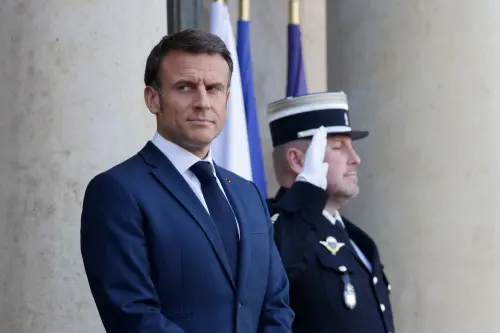
Paris: French President Emmanuel Macron vowed on Thursday to remain in office until the end of his term in 2027, as he announced plans to appoint a new prime minister within days. This comes after the resignation of Prime Minister Michel Barnier following a no-confidence vote, marking the shortest tenure of any French premier in modern history.
Blaming the far-right for Barnier's ousting, Macron criticised the political opposition, stating: "They chose disorder." He accused both the far-right and far-left of forming an “anti-Republican front” but acknowledged his own role in the unfolding crisis, particularly his controversial decision to dissolve parliament in June.
Barnier’s resignation and political gridlock
Barnier’s resignation leaves France grappling with a hung parliament, where no party holds a majority. This political deadlock has been further compounded by disputes over the national budget, which triggered the no-confidence vote.
Macron confirmed that an interim law will be introduced by mid-December to enable tax collection from January, averting a government shutdown. He pledged the new administration would prepare a 2025 budget prioritising defence, law enforcement, and agricultural support.
Economic and international challenges
France's political instability has exacerbated economic concerns, with Moody’s warning of potential difficulties in public finance reforms. Analysts have also predicted rising interest rates, adding pressure on France's debt, which could climb to 7% of GDP next year without significant intervention.
Macron highlighted France’s international challenges, citing the ongoing wars in Ukraine and the Middle East. However, he remained optimistic, reflecting on the success of the Paris Olympics and the upcoming reopening of Notre Dame Cathedral.
Opposition calls for Macron’s resignation
Opposition leaders have seized the moment to criticise Macron, with far-left leader Manuel Bompard explicitly calling for his resignation. Far-right leader Marine Le Pen stopped short of demanding Macron’s exit but warned of mounting public pressure.
Amid widespread protests, including a teachers’ demonstration against education budget cuts, dissatisfaction with Macron’s leadership continues to grow. Demonstrators accused the president of undermining public services, with some expressing doubts about the direction of his next government.
Next steps for Macron’s administration
Macron faces the crucial task of selecting a replacement for Barnier capable of navigating a fractured parliament. Yaël Braun-Pivet, president of the National Assembly, urged swift action, emphasising the need for a leader who can unite lawmakers and pass essential legislation.
While French media speculate on centrist candidates who might bridge political divides, Macron’s next move will be pivotal in determining the course of his presidency and addressing the challenges facing the nation.