France sees first no-confidence ousting since 1962 as PM Barnier resigns; Macron faces challenges
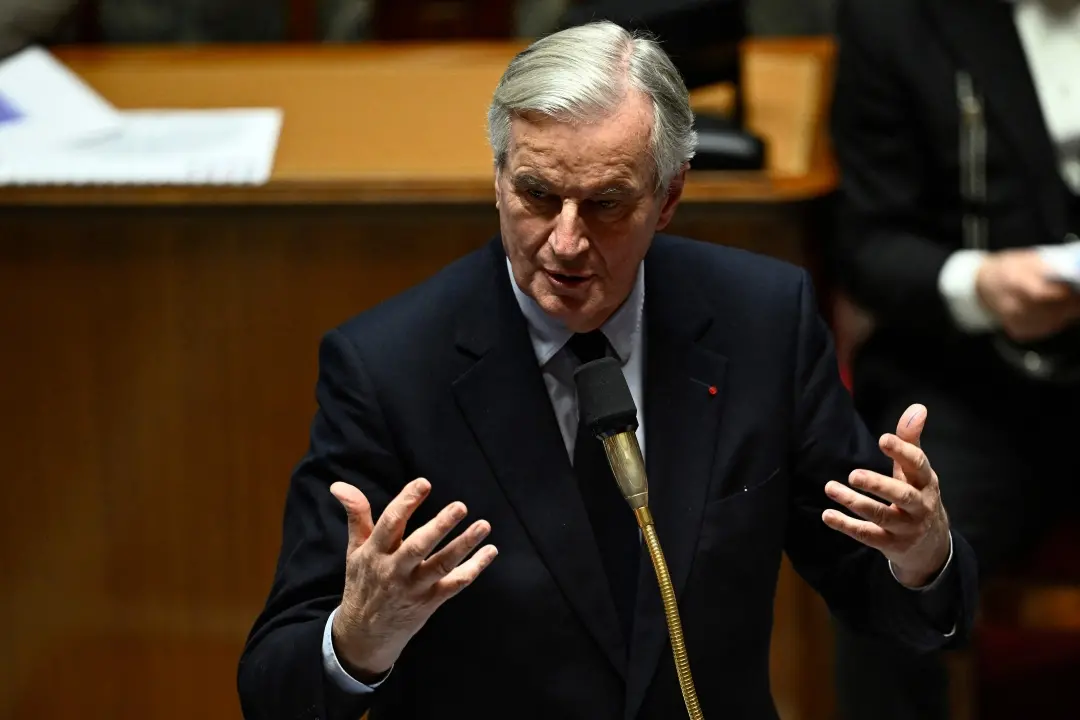
Paris: In a historic turn of events, France's National Assembly passed a no-confidence motion on Wednesday, compelling Prime Minister Michel Barnier and his Cabinet to resign. The motion, supported by 331 votes, surpassing the required 288, marks the first such instance since 1962.
President Emmanuel Macron, while insisting on serving his full term until 2027, is now tasked with appointing a new prime minister amid a deeply fragmented parliament. Barnier, who served for a mere three months, is set to formally step down by Thursday evening.
In his final address, Barnier stated, “It will remain an honour for me to have served France and the French with dignity.”
The fractured parliament and budget dispute
The motion stemmed from fierce opposition to Barnier's budget proposals. France's National Assembly, comprising Macron's centrist allies, the left-wing New Popular Front, and the far-right National Rally, remains starkly divided. However, left- and right-wing opposition united against Barnier, accusing him of imposing austerity while ignoring public needs.
National Rally leader Marine Le Pen called the budget “toxic” and criticised Macron for France’s current instability. Hard-left lawmaker Eric Coquerel, addressing the Assembly, proposed an emergency law to avert a shutdown and delay the budget by weeks.
Macron's challenges ahead
Macron’s decision to appoint a new prime minister must navigate a fractured legislature incapable of holding fresh elections before July. Speculation about his resignation was dismissed as “make-believe politics,” with Macron asserting, “I’ve been elected twice by the French people.”
Economic implications and market concerns
While France does not face a U.S.-style shutdown, its political uncertainty could unsettle financial markets. Analysts warn that France's deficit, expected to hit 6% of GDP this year, may rise further without immediate action. Rising bond yields have revived memories of past European debt crises, although experts stress France’s situation remains manageable.
Carsten Brzeski, ING Bank’s chief macroeconomist, noted that the instability is deterring investment, potentially impacting France and the Eurozone’s growth.
With AP inputs