US troop access to Panama Canal raises sovereignty concerns
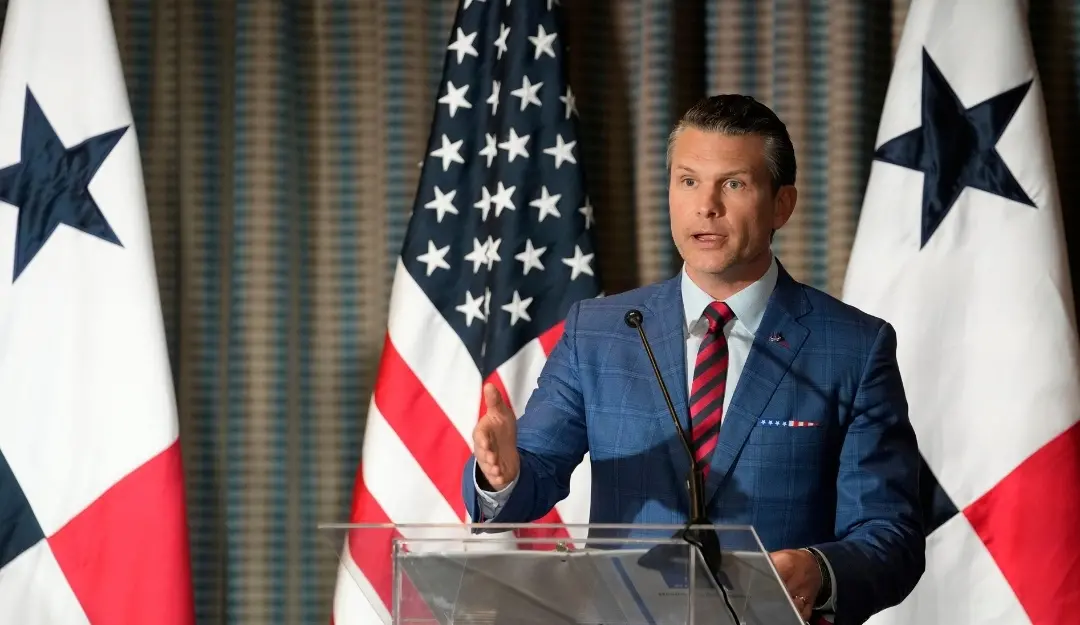
Panama City: On 10 April 2025, the United States and Panama signed a security agreement allowing US military personnel to deploy to bases along the Panama Canal. The deal, seen by AFP, marks a significant shift in US-Panama relations and is seen as a concession to US President Donald Trump, who has vowed to "take back" control of the strategic waterway from Chinese influence.
The Memorandum of Understanding (MoU), signed by US Defence Secretary Pete Hegseth and Panama’s security chief Frank Abrego, permits US troops to use Panama-controlled facilities for joint training, exercises, and other unspecified activities. While it does not authorise permanent US bases, it allows broad access to bases originally constructed by the US before the 1999 handover of the canal.
Panama's President Jose Raul Mulino confirmed he rejected earlier US requests to establish permanent bases, warning such a move would spark public unrest. “Do you want to create a mess? What we’ve put in place here would set the country on fire,” Mulino reportedly told Hegseth.
The US, in turn, formally recognised Panama’s sovereignty over the canal and agreed that all deployments would require Panama’s consent. However, critics warn that such assurances offer little reassurance, citing Trump’s past actions dismantling trade and security agreements.
The agreement follows growing US concern over Chinese involvement in the canal region, particularly through Hong Kong-based CK Hutchison’s Panama Ports Company. Under US pressure, Panama accused the firm of violating contractual obligations and has moved to end its operations. CK Hutchison recently agreed to sell its port assets — including the Panama operations — to a US-led consortium headed by BlackRock in a $19 billion deal. In response, China has launched an antitrust probe.
The deal has provoked public anger in Panama. Trade union leader Saul Mendez condemned the government’s actions as a "betrayal," calling for officials to face trial for compromising national sovereignty. Protests have erupted in response to Trump's rhetoric and the perceived erosion of Panama’s autonomy.
The Panama Canal, which handles 5% of global trade and around 40% of US container traffic, remains a flashpoint in the escalating geopolitical contest between the US and China.