Pakistan’s organ trafficking racket thrives ‘under the very nose of the state’: Report
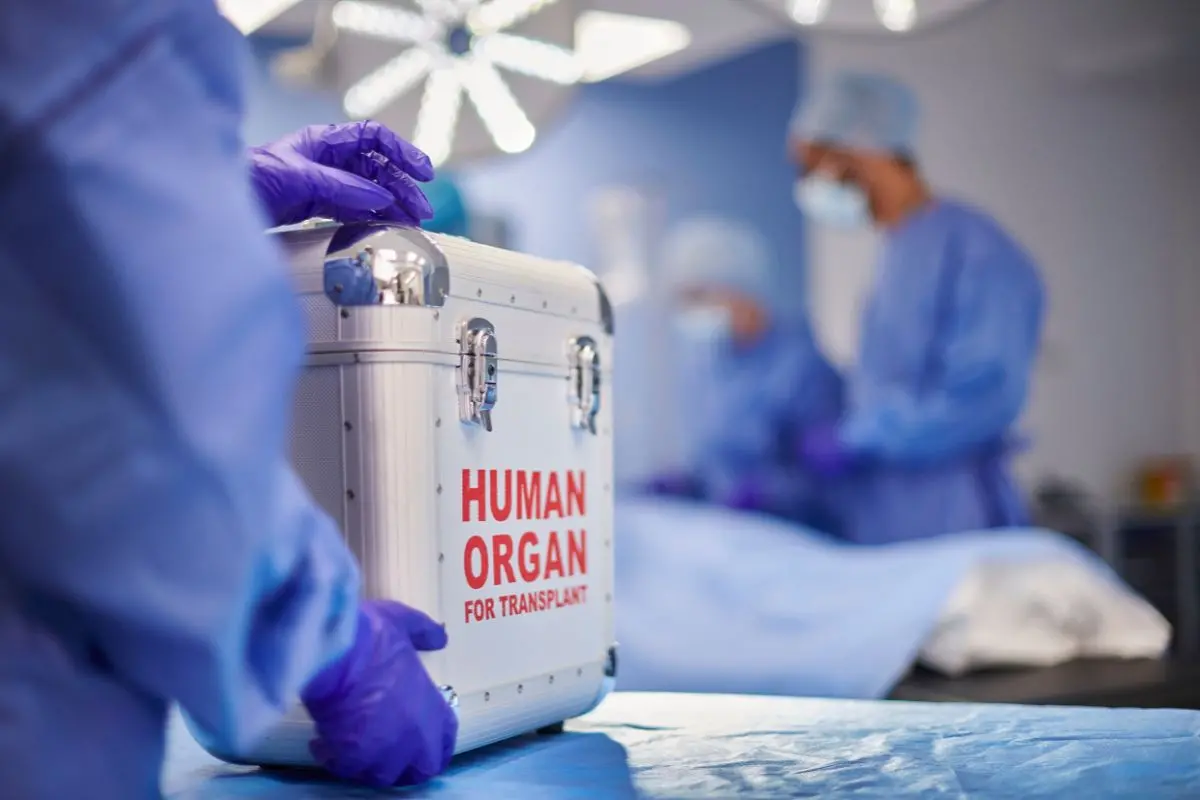
Karachi: Pakistan’s organ trafficking network is said to be running in full view of the authorities, with surgeons, nurses, and anaesthetists directly implicated in the crimes, according to a report cited on Tuesday. Spaces that should be dedicated to healing are instead being used as centres of exploitation.
The report stressed that the role of medical professionals in these crimes reflects a “systemic failure” by health regulators and government bodies responsible for supervision, investigation, and prevention.
What happened in Rawalpindi?
“The harrowing rescue of a young man in a Bahria Town house in Rawalpindi, bound to a stretcher and moments away from having his kidney removed, should have been unimaginable in 2025. Yet, it is a grim reality. This incident marked the second bust of its kind in the city in a single week, laying bare a terrifying truth: Pakistan’s organ trafficking industry is flourishing openly, under the very nose of the state,” the Islam Khabar report revealed.
What laws exist to prevent organ trafficking?
15 years ago, the Pakistani government introduced the Transplantation of Human Organs and Tissues Act (THOTA) to regulate transplants and protect vulnerable groups from exploitation.
However, the report noted that the law has failed in practice.
“In reality, advanced organ trafficking networks in affluent housing societies, equipped with medical instruments, anaesthetic supplies, and qualified surgeons, operate undetected,” it stated.
Why are medical professionals implicated?
“The audacity of these operations reflects not only the profitability of the illegal trade but also the glaring gaps in regulatory enforcement. Perhaps the most shocking aspect of these incidents is the repeated involvement of medical professionals, the very individuals sworn to preserve life. That such professionals can so blatantly participate in criminal activity suggests either an alarming level of negligence or complicity within the system,” the report emphasised.
Are these isolated incidents?
“Repeated incidents, such as the two busts in Rawalpindi within a single week, demonstrate a disturbing pattern. These are not isolated events but symptoms of an entrenched problem. The continuation of these crimes suggests a level of normalisation, where organ trafficking can occur with regularity, and victims are rescued only when chance or public outcry, intervenes,” the report added.
What does the report conclude?
According to Islam Khabar, the racket thrives in an environment marked by “systemic incompetence and a lack of accountability”, taking advantage of society’s most vulnerable.
It also underlined the ethical crisis created by healthcare workers’ involvement.
“Pakistan’s organ trafficking industry represents more than a criminal phenomenon, it is a mirror reflecting the state’s persistent inability to protect its citizens from exploitation. Laws exist but are unenforced. Regulatory bodies exist but fail to act. Medical professionals, who should be protectors of life, are implicated in atrocities,” the report noted.