Peace or conflict? Pakistan warns of 'open war' if Afghan peace talks fail in Istanbul
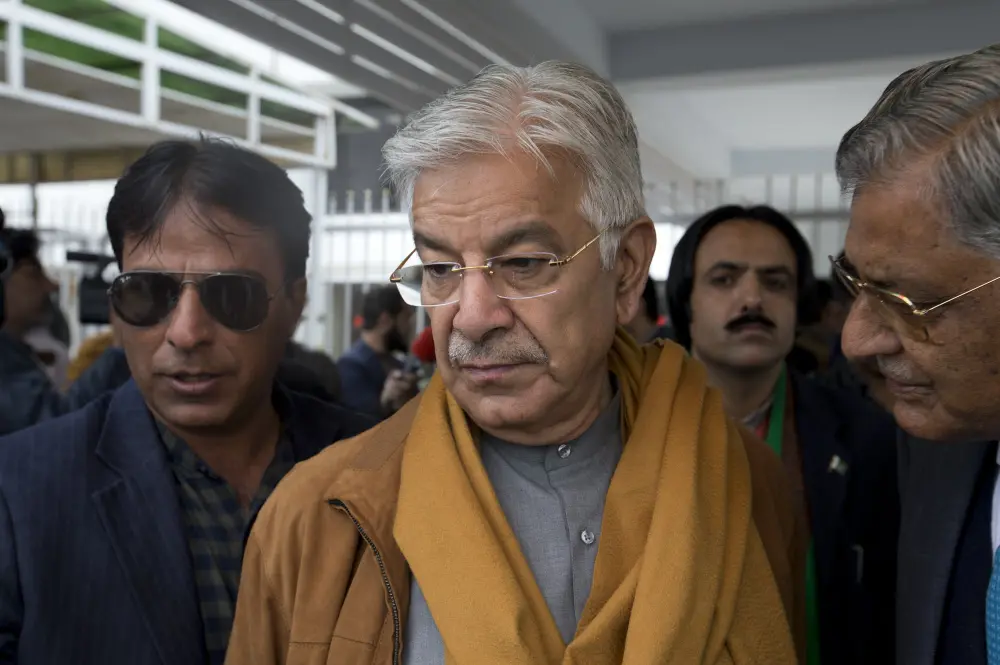
Islamabad: Pakistan’s Defence Minister Khawaja Muhammad Asif reportedly issued a stark warning on Saturday, stating that failure to conclude a deal with Afghanistan during talks in Istanbul could result in “open war.”
The comments came as the second round of discussions began reported by Reuters, aimed at addressing security concerns and establishing a lasting ceasefire following two weeks of deadly clashes along the Pakistan-Afghanistan border.
The confrontations, which claimed dozens of lives including civilians, were triggered after explosions in central Kabul—attributed by the Taliban government to Pakistan—led to retaliatory strikes along the border. An initial ceasefire collapsed within days, though a second truce brokered by Qatar and Turkey appears to have held.
At the Istanbul talks, negotiators are expected to outline mechanisms for sustaining border stability, building on agreements reached during previous Doha discussions. Afghanistan’s delegation is led by Deputy Interior Minister Haji Najib, while Pakistan is represented by security officials.
The Taliban government emphasises safeguarding Afghanistan’s territorial integrity, whereas Pakistan insists that the talks address cross-border terrorism. The escalation coincided with a rare Taliban foreign minister visit to India, further complicating regional dynamics.
The border clashes between Pakistan and Afghanistan escalated after explosions in Kabul, prompting retaliatory strikes along the Pakistan-Afghanistan frontier. These incidents left dozens dead, including civilians, heightening tensions despite prior ceasefire agreements.
The second round of peace talks in Istanbul aims to address unresolved security issues and maintain long-term stability. Delegates from both countries are expected to formalise mechanisms agreed upon in Doha, with mediation support from Qatar and Turkey.
Pakistan’s insistence on tackling “terrorism emanating from Afghan soil” forms a key part of the discussion, while Afghanistan remains focused on preserving its territorial sovereignty. The escalation followed closely on the heels of a visit by the Taliban foreign minister to India, illustrating the complex interplay of regional diplomacy and security concerns.
Khawaja Asif’s warning signals Pakistan’s readiness to respond militarily if the talks fail, highlighting the fragile balance between diplomacy and conflict along the disputed border.