Drones, couples and covert routes: How Pakistan is rewiring the narco-terror pipeline in J&K
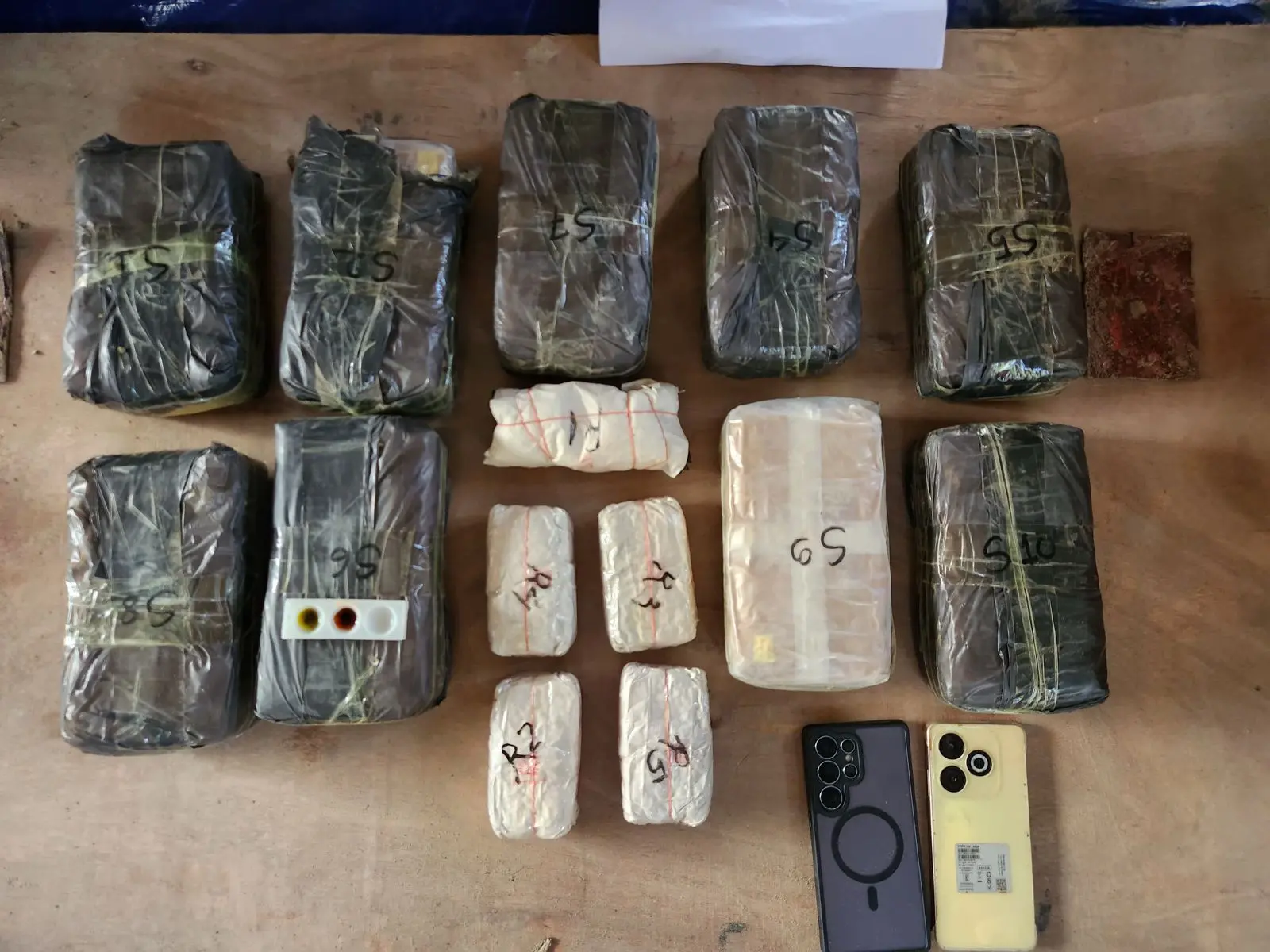
New Delhi: Investigating agencies in Jammu and Kashmir say Pakistan-backed narcotics syndicates are rapidly changing tactics to keep drug money flowing into the Union Territory, with women couriers, couples and drone drops emerging as key elements of a reworked narco-terror network.
Officials say the trade, long linked to terror financing, is increasingly being directed by handlers across the border who are exploiting social and logistical blind spots to evade law enforcement, even as security pressure along the Jammu and Kashmir frontier has intensified.
Crackdown exposes scale of drug trade
The Jammu and Kashmir Police carried out an aggressive anti-narcotics drive in 2025, registering nearly 1,000 cases under the Narcotic Drugs and Psychotropic Substances (NDPS) Act and arresting about 1,400 people, including major suppliers and street-level peddlers.
Investigators say the scale of the arrests underlined the depth of the problem but also revealed an unexpected shift in the profile of those involved.
Rise of women and couples in trafficking
One of the most striking trends last year was the growing involvement of women and couples in the drug trade. Police arrested at least 35 women in Jammu alone, and uncovered several all-women networks allegedly designed to avoid suspicion.
Officials say couples are being used to provide a “family cover”, slowing down detection and allowing narcotics to move with less scrutiny. Similar patterns were observed in other cases, including the Faridabad module, where investigators found women playing central operational and recruitment roles.
ISI strategy mirrors terror playbook
According to intelligence officials, the shift is not incidental. Pakistan’s Inter-Services Intelligence (ISI) is believed to be encouraging terror groups such as Jaish-e-Mohammed and Lashkar-e-Taiba to expand the use of women in their operations — a strategy now being replicated in narcotics networks.
The aim, officials say, is twofold: women are less likely to attract attention at checkpoints, and they are seen as more effective recruiters, particularly among young people.
Doctors, professionals and covert handlers
The arrest of Dr Shaheen Saeed highlighted how professional credentials are being used as a shield. Investigators say she played a pivotal role in setting up a narcotics module by making repeated trips to Jammu and Kashmir to meet Maulvi Irfan Ahmed, taking instructions and helping radicalise others.
Her status as a doctor, combined with gender-based assumptions, allowed her to evade detection for extended periods, officials said.
Drones replace traditional border routes
While the Line of Control in Jammu and Kashmir has become increasingly difficult to breach, traffickers have turned to technology. The use of drones to drop narcotics across the western border has risen sharply.
Officials recorded 791 drone incursions in 2025, mostly along the Punjab and Rajasthan borders. Only nine were reported in Jammu and Kashmir, which intelligence agencies describe as “heavily fortified” following recent security operations that have driven infiltration attempts close to zero.
Once drugs land in India, they are typically moved by road into Jammu and Kashmir, bypassing the hardened border zone.
Funding terror through narcotics
Intelligence agencies warn that the threat is unlikely to recede. Officials say Pakistan-based handlers are increasingly reliant on drug trafficking to generate funds for terror activities, particularly as other financing channels come under strain.
(IANS)