Pakistan minister in Tehran as US downs more Iranian drones, tensions simmer
Islamabad: As tensions continue to simmer across the Middle East, Pakistan is positioning itself as a key diplomatic intermediary between Tehran and Washington.
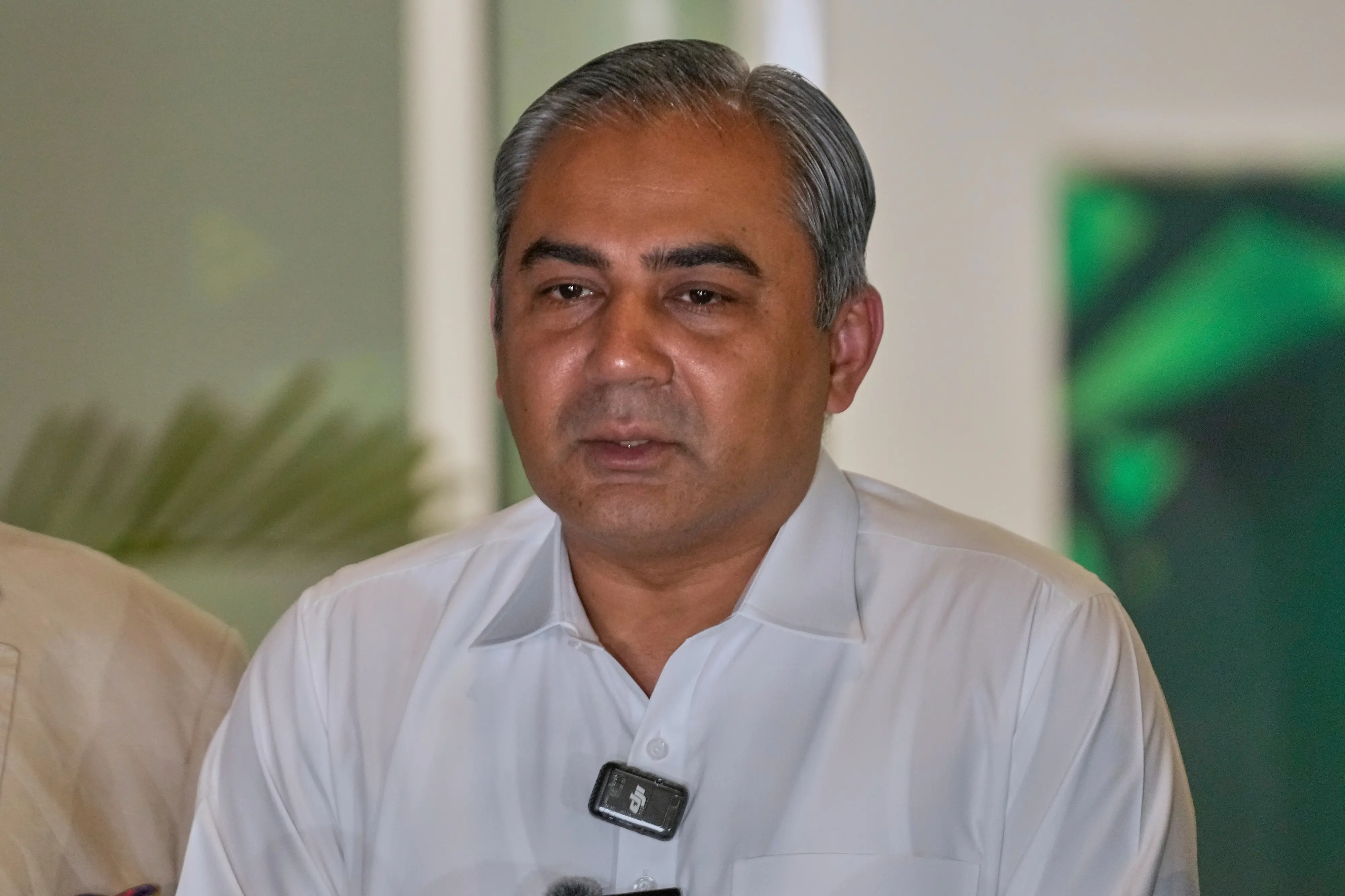
Pakistani Interior Minister Mohsin Naqvi arrived in Tehran carrying a message from Pakistan Army Chief Asim Munir for Iran's Supreme Leader Mojtaba Khamenei.
The visit comes amid growing concern that the temporary ceasefire reached in April may collapse entirely unless broader political negotiations resume. Pakistan has reportedly been working alongside regional powers including Qatar, Turkey and Egypt to encourage renewed dialogue between Iran and the United States.
Strait of Hormuz remains flashpoint
Even as diplomatic efforts intensify, military tensions remain high.
The US military reported shooting down two additional Iranian drones over the strategically critical Strait of Hormuz, saying they posed a threat to international maritime traffic.
The narrow waterway remains one of the world's most important energy corridors, carrying a significant portion of global oil and liquefied natural gas exports. Any disruption immediately affects international energy markets and shipping routes.
Washington has maintained military pressure around the strait following months of confrontation with Tehran, while Iran continues to view the area as central to its regional security calculations.
Lebanon threatens to become the next obstacle
A major challenge facing ceasefire negotiations is the ongoing conflict between Israel and Hezbollah.
Although a US-backed ceasefire extension was announced recently, fighting has continued on the ground. Israeli forces carried out strikes in southern Beirut and across southern Lebanon, while Hezbollah continued military operations against Israeli positions.
The latest violence highlights one of the biggest disagreements in current negotiations. Iran insists that any long-term settlement must include Lebanon and Hezbollah, while Israel maintains that military operations will continue until Hezbollah is no longer viewed as a security threat.
This disagreement risks turning Lebanon into the issue that could determine whether broader regional diplomacy succeeds or fails.
Why Pakistan's role matters
Pakistan's growing involvement reflects its attempt to position itself as a bridge between competing regional powers.
Unlike many countries directly involved in the conflict, Islamabad maintains working relationships with Iran, Gulf states and Western partners. This gives Pakistan a unique diplomatic opening at a time when traditional mediation channels have struggled to produce results.
The visit also comes amid increasing international concern over the economic consequences of continued instability in the region. The conflict's impact extends far beyond the Middle East.
Repeated threats to the Strait of Hormuz have already contributed to volatility in global energy markets. Higher oil and gas prices risk fuelling inflation and increasing economic pressures for governments worldwide.
For the United States, rising fuel prices have become a political challenge ahead of upcoming elections, while developing countries remain vulnerable to spikes in energy and food costs.
Analysts warn that a prolonged confrontation could deepen economic uncertainty across multiple regions.
A ceasefire without peace
While the heaviest fighting between Iran and the United States ended with the April ceasefire, negotiators have so far failed to convert the temporary pause into a lasting settlement.
The continued exchange of military strikes, disputes over Lebanon and competing strategic goals suggest that the region remains far from a comprehensive peace agreement.
Pakistan's latest intervention underscores the urgency of diplomacy, but the path to a durable settlement remains complicated by multiple interconnected conflicts stretching from the Persian Gulf to Lebanon.
Pakistan's mediation push comes at a critical moment for the Middle East. With fresh drone incidents in the Strait of Hormuz, continued Israel-Hezbollah clashes and unresolved Iran-US tensions, regional stability remains fragile. Whether Islamabad can help revive negotiations may determine whether the current ceasefire evolves into a broader peace process or gives way to another round of escalation.