Pak Minister makes explosive remarks, says US treated Pakistan ‘worse than toilet paper’ | VIDEO
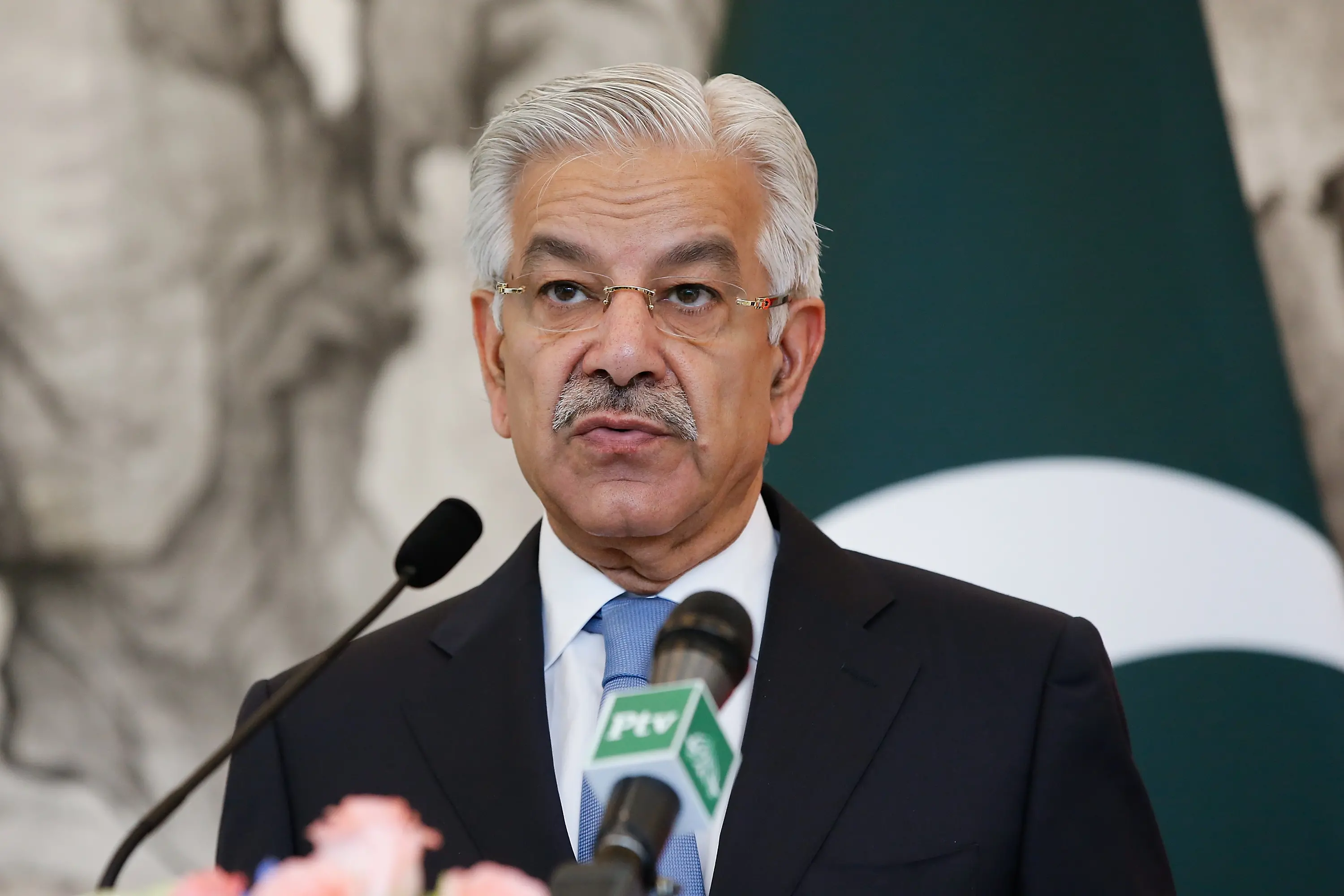
Pakistan’s Defence Minister Khawaja Asif has launched an unusually blunt attack on the United States, accusing Washington of exploiting Islamabad for decades before discarding it “worse than toilet paper” – remarks he delivered during a charged session of Parliament. Asif said successive Pakistani governments made “grave miscalculations” by aligning with the US, decisions he argued dragged the country into wars that were “never its own” and left Pakistan bearing the fallout in the form of violence, radicalisation and economic strain.
Speaking in front of fellow lawmakers, Asif said Pakistan’s political and military leadership repeatedly backed US interests at the cost of national stability, causing consequences that “can never be compensated.”
US ‘used and threw’ Pakistan
Asif alleged that the United States “used for a purpose and then thrown away” Pakistan, insisting that Islamabad’s decades-long support for Washington’s objectives delivered no strategic benefit. He said the partnership pushed Pakistan into prolonged instability, claiming the country continues to pay the price for decisions made in Washington’s favour.
According to Asif, Pakistan’s choice to again align with the US after 1999 was a turning point that eroded its relationship with Afghanistan and set off a trajectory of security and economic setbacks. He blamed this re-alignment for a deepening crisis that persists more than two decades later.
Post-1999 shift and the Afghan fallout
The defence minister pointed to Pakistan’s pivot towards the US-led campaign in Afghanistan following the September 11 attacks as the defining error. By abandoning its previous stance and turning against the Taliban, Pakistan saw its ties with Kabul deteriorate sharply.
He noted that when the US eventually withdrew from Afghanistan under the Trump administration – prioritising its own interests – Pakistan was left to shoulder the consequences alone. Asif argued that Washington’s departure left behind a landscape marked by heightened militancy, radicalisation and economic pressure for Pakistan.
“The losses we suffered can never be compensated,” he said in Parliament, calling these decisions “irreversible.”
A rare admission on how Pakistan entered the Afghan wars
In a striking shift from long-held official narratives, Asif rejected the claim that Pakistan’s involvement in the Afghanistan conflicts – from the 1980s anti-Soviet war to the post-2001 US campaign – was driven by religious duty. He conceded that Pakistanis were mobilised under a manufactured jihad narrative rather than genuine religious motivation.
Khawaja Asif denied that Pakistan’s participation in the Afghanistan conflict was motivated by religious duty and admitted that Pakistanis were mobilised and sent to fight under the guise of jihad.
He added that Pakistan’s education system was reshaped to legitimise these wars and said many of the ideological changes introduced in that era still persist. The minister argued that the anti-Soviet conflict of the 1980s was dictated by American geopolitics, not faith, and insisted the circumstances “never warranted a declaration of jihad.”
Asif said Pakistan allowed itself to be dragged into conflicts shaped by foreign priorities, not national interests. According to him, the social and political damage produced by these decisions continues to weigh heavily on the country.
He reiterated that Pakistan’s alignment with the US after 1999, especially in the Afghanistan theatre, inflicted “deep and lasting” harm. The effects, he said, ripple through Pakistan’s security environment, political discourse and economy – all consequences of what he described as decades of flawed strategic choices.