Pakistan’s newspaper prints AI prompt; Netizens wonder if ChatGPT is new shift editor
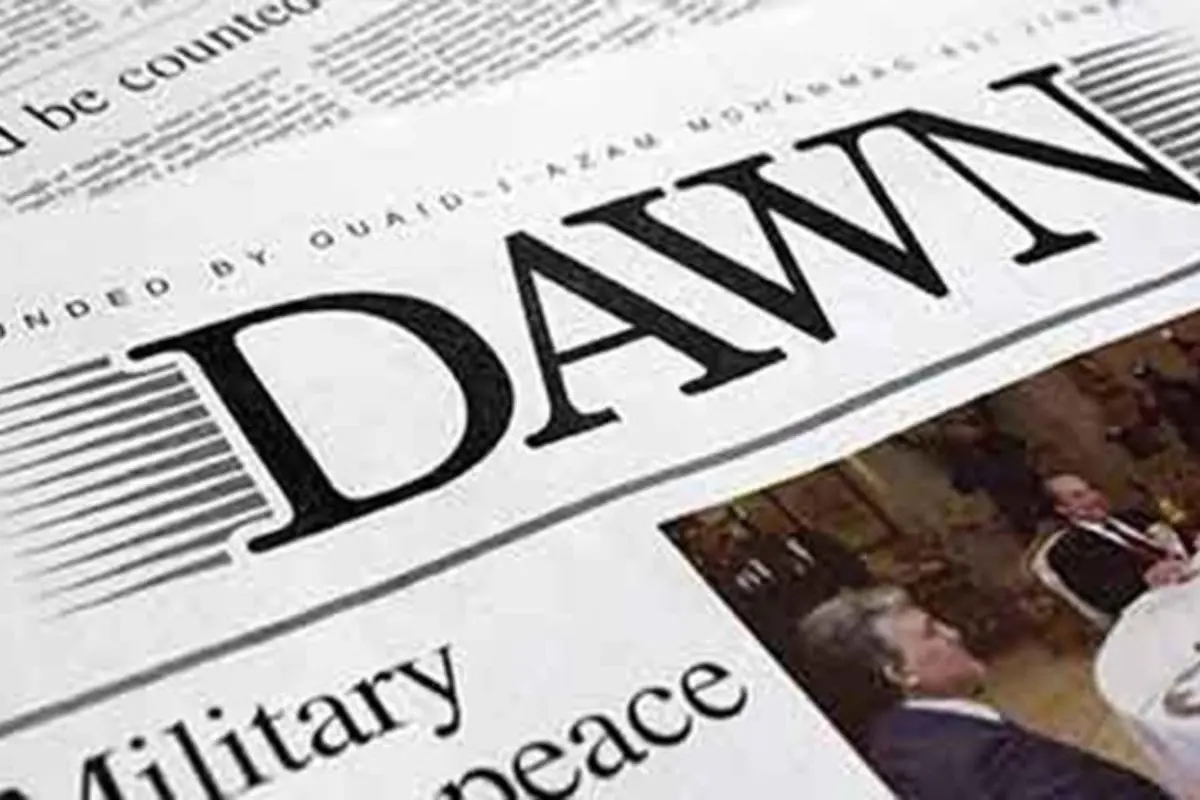
Pakistan’s oldest English newspaper — and often its most self-assured — suddenly found itself in an unexpected storm this week after an AI-generated prompt accidentally made its way into print.
Dawn, a publication launched by Muhammad Ali Jinnah and long considered the country’s gold standard of journalistic rigor, woke up to a rather embarrassing headline of its own making: Dawn uses AI to edit stories — and forgets to delete the evidence.
The controversy erupted after readers spotted an unusual final line in a business story published on November 12, titled “Auto sales rev up in October.”
Journalism in the age of AI. @Dawn_News Pakistan. pic.twitter.com/kkHZYaog0m
— Maheshwer Peri (@maheshperi) November 13, 2025
What should have been a straightforward news report on monthly automobile data ended, instead, with a distinctly non-human flourish:
“If you want, I can also create an even snappier ‘front-page style’ version with punchy one-line stats and a bold, infographic-ready layout perfect for maximum reader impact. Do you want me to do that next?”
It didn’t take long for social media users to sniff out what had happened — the line was a ChatGPT-generated suggestion that had accidentally survived the editing process. And in the world of print journalism, where mistakes linger on paper long after the internet has moved on, this one had a special sting.
A Reddit user posted a photo of the article with the caption: “While reading Dawn newspaper… I found the use of ChatGPT. It is an embarrassment for print media and singularly for a newspaper like Dawn, which has an excellent recognition.”
The thread quickly blew up, with readers dissecting everything from newsroom automation to the decline of human copy desks.
On X, reactions were sharper — and more theatrical. One user wrote:
“Imagine lecturing others about ‘ethics in media’ while publishing AI-generated articles yourself. That’s exactly what DAWN just did… #DawnGPT.”
The accompanying photo, naturally, was the now-infamous paragraph immortalized in ink.
For a newspaper that frequently critiques disinformation, tech-enabled manipulation, and the ethical pitfalls of AI, the episode was tailor-made for irony. Dawn, after all, has positioned itself as a watchdog over media standards. Which made the ChatGPT blooper not just a simple oversight, but a symbolic one.
Industry watchers noted that newsrooms worldwide are increasingly experimenting with AI tools for editing, summarising, and drafting — often quietly. But as this incident demonstrated, secrecy and automation make a dangerous combination.
Transparency, they argued, might have softened the blow. Instead, the mistake sparked a broader debate: If one of the region’s most established newspapers is blending AI into its workflow, how many others are doing the same — and without disclosure?
Dawn has yet to issue a formal statement on the matter. But for a publication born in 1941, whose first issue rolled out of Latifi Press in 1942, this was perhaps its most 21st-century scandal yet.
Whether the newspaper revisits its editorial protocols — or issues a human-written apology — remains to be seen.
What’s clear is that one stray AI prompt has kick-started a very human conversation about the future of journalism, credibility, and the fine line between assistance and overreach.
For now, the internet is enjoying the spectacle. As one user quipped, “At least the AI offered to make it snappier. Dawn didn’t.”