Pakistan announces ceasefire with Afghanistan after deadly fighting
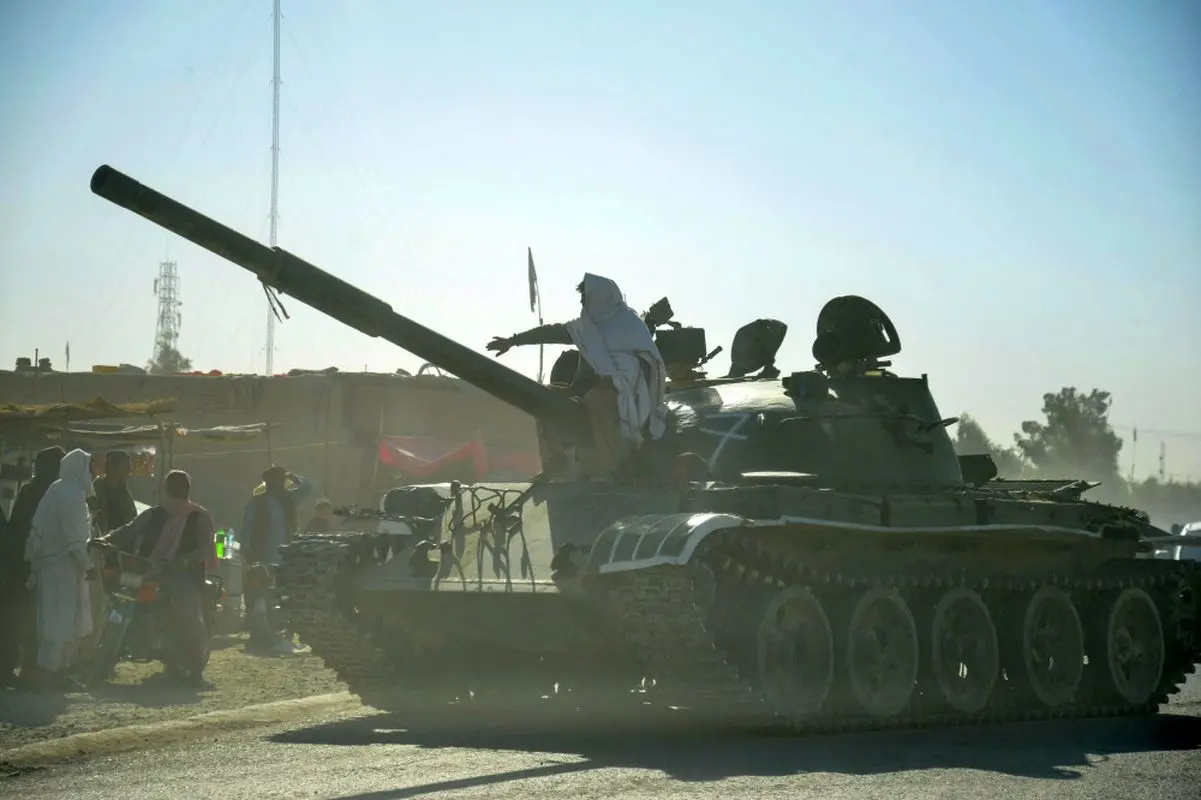
Pakistan and Afghanistan have agreed to stop fighting along the border for now. Pakistan's Ministry of Foreign Affairs announced that, "following a request from the Afghan Taliban regime" and mutual consent, Pakistan and the Taliban have agreed to a temporary 48-hour ceasefire, effective from 6:00 pm on Wednesday evening.
During this period, both parties are expected to engage in constructive dialogue aimed at finding a positive and sustainable resolution to the ongoing conflict, the statement further said.
The ceasefire comes after, earlier in the day, the two sides traded accusations of initiating the deadly clashes. The renewed violence comes after a short-lived period of peace, and amidst a deepening diplomatic rift between Islamabad and the Islamic Emirate of Afghanistan.
Neither side's casualty figures could be independently confirmed, but reports suggest dozens of military personnel and civilians may have been killed or injured.
Conflicting Reports of Casualties
The Pakistani military claimed that its forces successfully repulsed multiple, coordinated attacks by the Afghan Taliban and associated militant groups along the border, stating that over 40 attackers were killed in separate incidents. The military firmly rejected all claims that Pakistan initiated the recent violence, calling them "outrageous and blatant lies."
Pakistan army's official statement detailed two main incidents of cross-border engagement/ The military reported that the Afghan Taliban launched attacks on four locations in the Spin Boldak area, which falls in the Balochistan province side of the Pakistan-Afghanistan border. Pakistani forces claimed to have killed an estimated 15 to 20 Afghan Taliban fighters and injured many more while effectively repulsing the assault.
Sources in Spin Boldak told the BBC that the clashes began around 4:00 AM local time and continued for almost five hours. A local resident reported hearing "very heavy clashes" and seeing "drones and jets flying over us." The unverified footage of the fighting, including videos claiming to show those killed and check posts destroyed, has circulated widely on social media and messaging platforms.
The army noted that the situation remains tense, with reports of further troop build-up by the Afghan Taliban and "Fitna Al Khwarij," a term used by Pakistani authorities to refer to militants from the banned Tehreek-e-Taliban Pakistan (TTP).
The military accused the Afghan Taliban of orchestrating the attack through divided villages and showing "no regard for the civilian population." Furthermore, the army alleged that the Afghan Taliban destroyed the Pak-Afghan Friendship Gate on their side, a move that "clearly displays the mindset with regard to mutual trade and easement rights of the divided tribes."
The military also detailed a separate incident that occurred overnight on October 14 in the Kurram Sector of Khyber Pakhtunkhwa province, where Afghan Taliban and Fitna Al Khwarij (TTP) attempted to attack Pakistani border posts.
The Pakistani response was described as "effective yet proportionate." The army claimed to have caused heavy losses to Afghan Posts, including the destruction of eight posts and six tanks. In this separate operation, 25 to 30 Afghan Taliban and TTP fighters were suspected to have been killed.
The Taliban, meanwhile, claimed that Afghan forces launched a full-scale counteroffensive. Zabihullah Mujahid, the Islamic Emirate of Afghanistan's chief spokesman, asserted, "As a result, a large number of Pakistani aggressor soldiers were killed, their posts and bases were captured, their weapons and tanks seized, and most of their military installations destroyed."
The Pakistan Army rejected any insinuations that its forces initiated the recent spike in hostilities. The military labeled such accusations as "outrageous and blatant lies, just like the claims of capturing Pakistani posts or equipment," firmly defending its actions as defensive responses to attempted border incursions.
International Community Urges Restraint
The escalation has drawn immediate concern and calls for de-escalation from global and regional powers.
Qatar and Saudi Arabia called for an immediate end to hostilities. Qatar’s Ministry of Foreign Affairs urged both countries to "prioritize dialogue, diplomacy, and restraint, and to work toward containing differences in a manner that helps reduce tension." Iran’s Foreign Ministry also offered its assistance, emphasizing its commitment to regional peace and stability.
The UN Secretary-General's Deputy Spokesperson, Farhan Haq, stressed the need for a peaceful resolution and stated that further clashes must be prevented. Separately, the UN Special Rapporteur on Human Rights in Afghanistan, Richard Bennett, expressed "deep concern" over reports of civilian casualties and displacement, urging all parties to "exercise maximum restraint" and protect civilians.
China and Russia also reportedly called for de-escalation, while US President Donald Trump suggested he could step in to broker peace.
The clashes follow a period of intense tension, which included Pakistan’s alleged violation of Afghan airspace and retaliatory strikes by Afghanistan’s Ministry of Defense on Pakistani posts along the Durand Line.
The spokesperson of the Islamic Emirate, Zabihullah Mujahid, confirmed that the fighting had been halted at the request of Qatar and Saudi Arabia, but warned that the truce was fragile: “If these attacks continue, Afghanistan reserves the right to defend its territory.”
Meanwhile, Pakistani President Asif Ali Zardari pledged to defend his country's territorial integrity, alleging that "Kharijite terrorists supported by India" were carrying out attacks from Afghan territory -- a claim the Taliban vehemently denies. Afghan Foreign Minister Amir Khan Muttaqi, speaking from India, underscored Afghan national unity, noting that the entire nation quickly unites when faced with foreign interference.