Pakistan resumes attacks on Afghanistan after Eid ceasefire ends, civilians killed
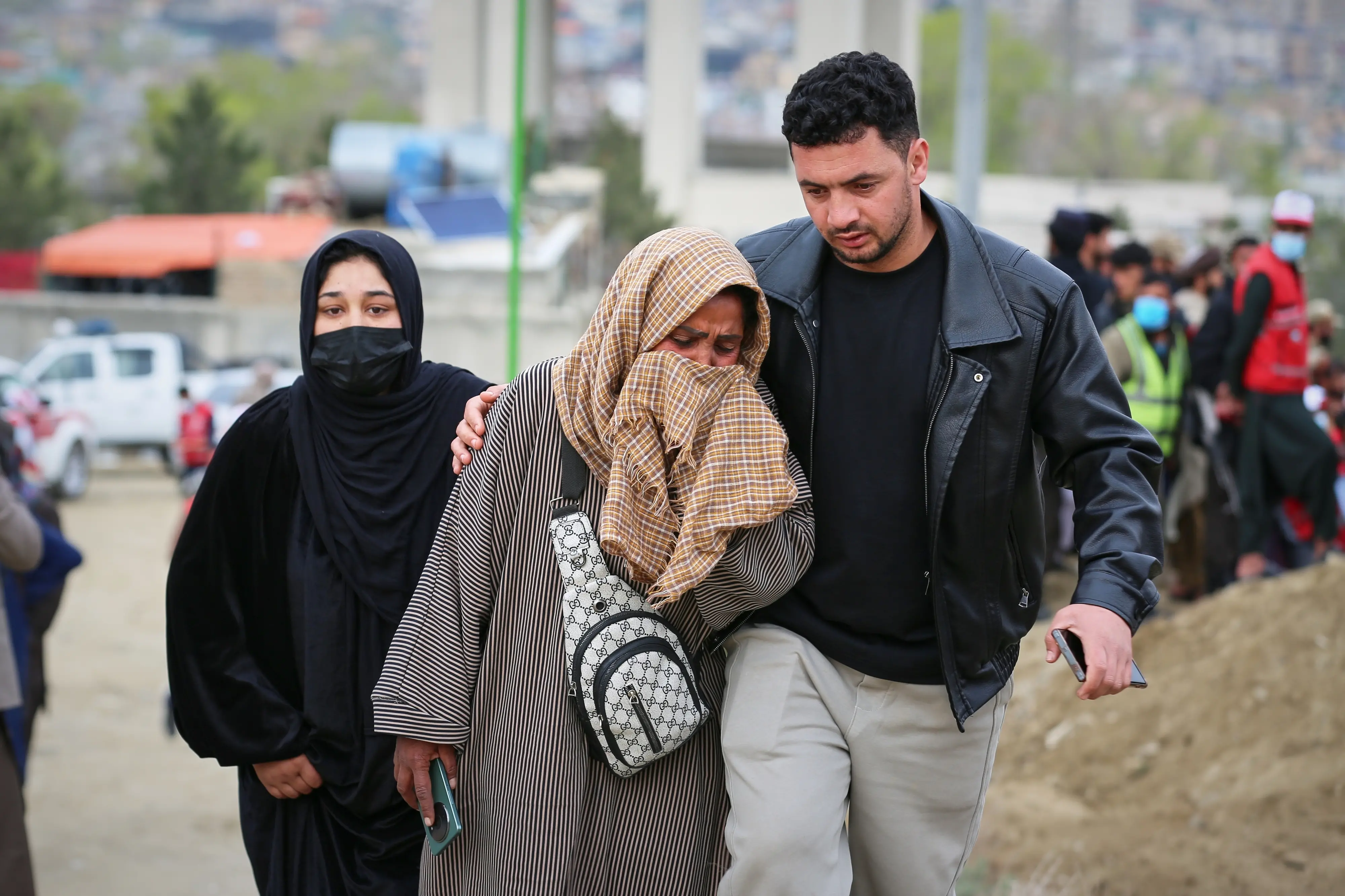
Islamabad: Pakistan on Thursday resumed cross-border attacks on Afghanistan following the end of a brief ceasefire observed during Eid al-Fitr, according to the Pakistani Foreign Ministry.
The renewed hostilities have dashed expectations of a longer truce, with at least two civilians reported dead and several others injured amid fresh exchanges of fire along the border.
What happened along the Pakistan-Afghanistan border?
Ziaur Rahman Speenghar, a director in the information and culture department of Afghanistan’s Kunar province, stated that Pakistani forces launched dozens of artillery shells into the Narai and Sarkano districts once the ceasefire period ended. The shelling reportedly killed two civilians and left eight others wounded, as per reports.
He added that Afghan border forces responded to the attacks, claiming they had destroyed three Pakistani military posts and killed one individual. However, these claims have not been independently verified. Meanwhile, a Pakistani official from the north-western region accused Afghan forces of initiating the cross-border firing at several locations.
Why did the ‘temporary pause’ come to an end?
Earlier in the week, both Pakistan and Afghanistan had agreed to a ‘temporary pause’ in hostilities to mark the conclusion of the Muslim holy month of Ramzan. This arrangement was reportedly made following appeals from Saudi Arabia, Qatar, and Turkey.
Addressing a press briefing, Pakistan’s Foreign Ministry spokesperson Tahir Andrabi said that the pause was in effect between March 23 and 24. He clarified that Pakistan’s military actions would continue until its objectives were fulfilled and until the Afghan Taliban authorities reconsider what he described as their “misplaced priority of supporting terrorist infrastructure”.
How did recent airstrikes escalate tensions?
The ceasefire had followed Pakistani airstrikes that the Afghan Taliban administration claimed had struck a drug rehabilitation hospital in Kabul, leading to more than 400 deaths.
Pakistan denied these allegations, asserting that its operations were carefully aimed at military targets and infrastructure linked to militant support.
This airstrike significantly heightened already strained relations between the two countries. Since late 2025, tensions have intensified, marked by repeated cross-border shelling, retaliatory air operations, and ongoing accusations from both sides regarding the harbouring of militant groups.
How does this relate to Pakistan’s diplomatic positioning?
The renewed clashes come at a time when Pakistan is attempting to position itself as a potential venue for peace negotiations between the United States and Iran. Steve Witkoff, Special Envoy to US President Donald Trump, indicated that Pakistan has been playing a mediating role between Washington and Tehran in efforts to resolve the ongoing conflict in West Asia.