OPEC+ pauses early 2026 oil production hikes amid sanctions, Abu Dhabi hosts key summit
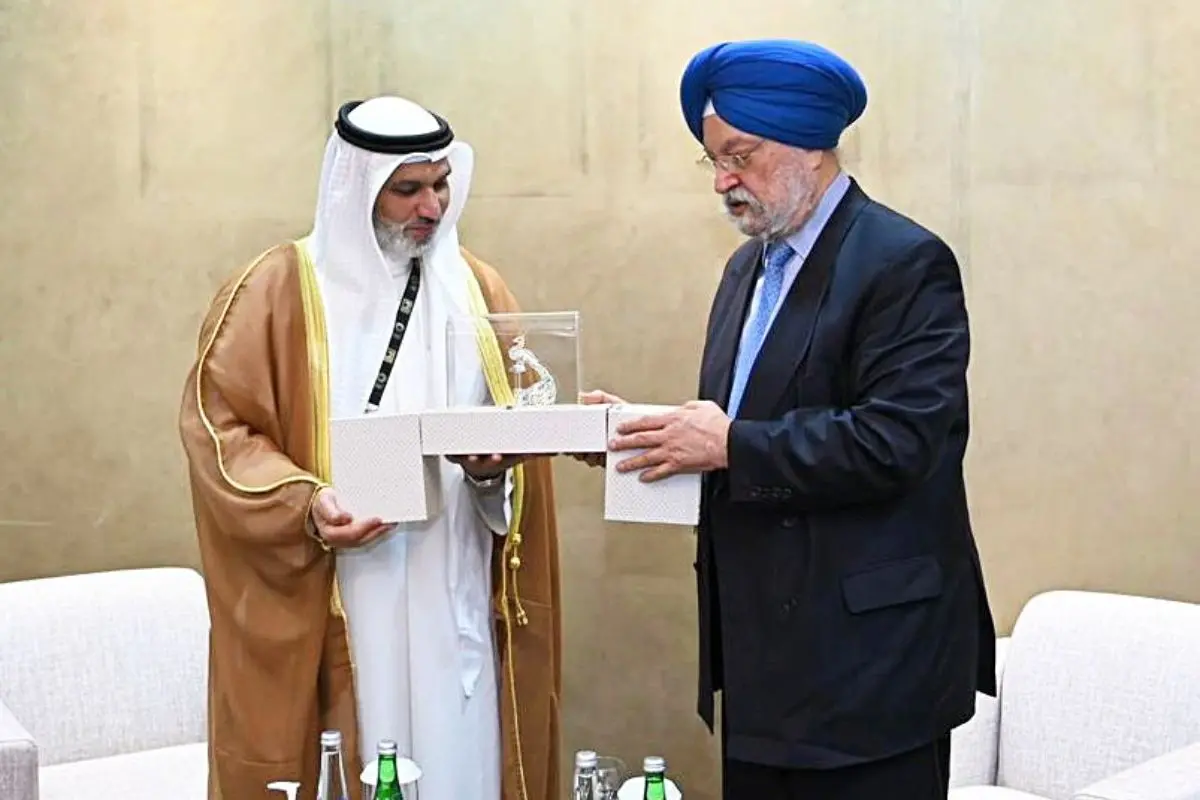
Abu Dhabi: The United Arab Emirates hosted a major oil summit on Monday, just hours after the OPEC+ cartel and its allies announced a halt to planned production increases in the first quarter of 2026, citing concerns of oversupply in the market.
The decision comes amid fresh oil sanctions by the United States and the United Kingdom targeting Russia over its war in Ukraine. Among the targets were Russian oil giants Rosneft and Lukoil, whose logo was prominently displayed at the Abu Dhabi International Petroleum Exhibition and Conference (ADIPEC) as a major sponsor.
While the UAE has maintained close ties with Russia during the conflict, it has also acted as a key mediator between Moscow and Kyiv, facilitating prisoner exchanges.
OPEC+ – which includes core cartel members and allied countries led by Russia – announced an additional production increase of 137,000 barrels per day starting in December, but said planned adjustments in January, February, and March would be paused “due to seasonality.”
At Monday’s opening, Brent crude traded around USD 65 a barrel, down from a post-COVID high of roughly USD 115 following Russia’s full-scale invasion of Ukraine in 2022. Prices had dipped to USD 60 in recent days amid concerns of excess supply.
“Yes, OPEC+ is blinking, but it’s a calculated move,” said Jorge León, head of geopolitical analysis at Rystad Energy. “Sanctions on Russian producers have injected a new layer of uncertainty into supply forecasts, and the group knows that overproducing now could backfire later. By pausing, OPEC+ is protecting prices, projecting unity, and buying time to see how sanctions play out on Russian barrels.”
Meanwhile, the US push for increased domestic production continues. Interior Secretary Doug Burgum, a former Republican governor of North Dakota who chairs Trump’s National Energy Dominance Council, attended the summit. The average price for a gallon of petrol in the US stood at USD 3.03 on Monday, a key economic and political indicator.
ADIPEC follows the UAE’s hosting of the COP28 climate talks in 2023, which concluded with a global commitment by nearly 200 countries to transition away from fossil fuels. Despite this, the UAE plans to expand oil production capacity to 5 million barrels per day in the coming years, while also investing in clean energy initiatives domestically.