North Korea insists military ties with Russia protect ‘sovereignty and peace’
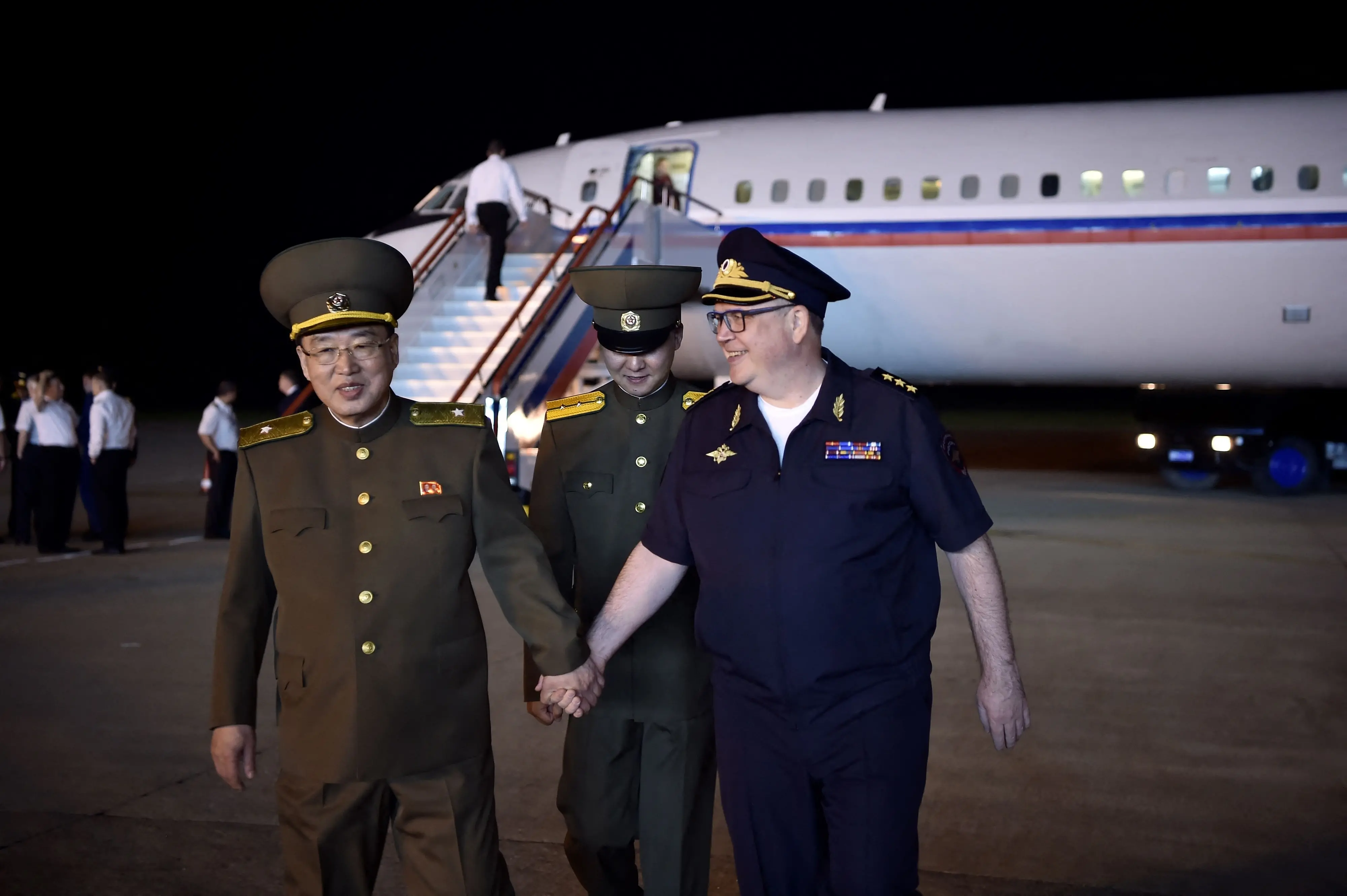
Pyongyang: North Korea has publicly defended its military cooperation with Russia, describing the partnership as crucial for ensuring peace and stability across Europe and Asia.
This statement follows revelations that Pyongyang has been supplying both arms and troops to support Moscow’s military campaign in Ukraine. According to South Korean intelligence, around 600 North Korean soldiers have died fighting alongside Russian forces, with thousands more reported wounded.
The military alliance has drawn strong condemnation from a multilateral sanctions monitoring team, which includes South Korea, the United States, Japan, and several other countries. The group labelled the cooperation unlawful under international law. In response, North Korea’s foreign ministry emphasised that its collaboration with Russia aims to protect the sovereignty, territorial integrity, and security interests of both nations. A ministry official described the relationship as the "cream of inter-state relations," highlighting the deep diplomatic and military alignment between Pyongyang and Moscow.
Both countries envision building a multipolar world order based on genuine respect for sovereignty, equality, and justice. The sanctions monitoring body reported that in 2024, Russian-flagged vessels transported approximately nine million rounds of artillery and rocket launcher ammunition from North Korea to Russia. In exchange, Russia is believed to have supplied North Korea with air defence systems and anti-aircraft missiles.
North Korea confirmed in April 2025 that it had deployed troops to support Russia’s war efforts in Ukraine, a move that has intensified international scrutiny and sanctions enforcement.
This growing military cooperation reflects Moscow’s reliance on Pyongyang for additional manpower and weaponry amid the prolonged conflict. At the same time, the alliance signals broader geopolitical ambitions by both nations to counter Western influence and reshape the global order.
(With AFP inputs)