New US tariffs come into effect globally; 'Billions of Dollars now flowing in,' says Trump
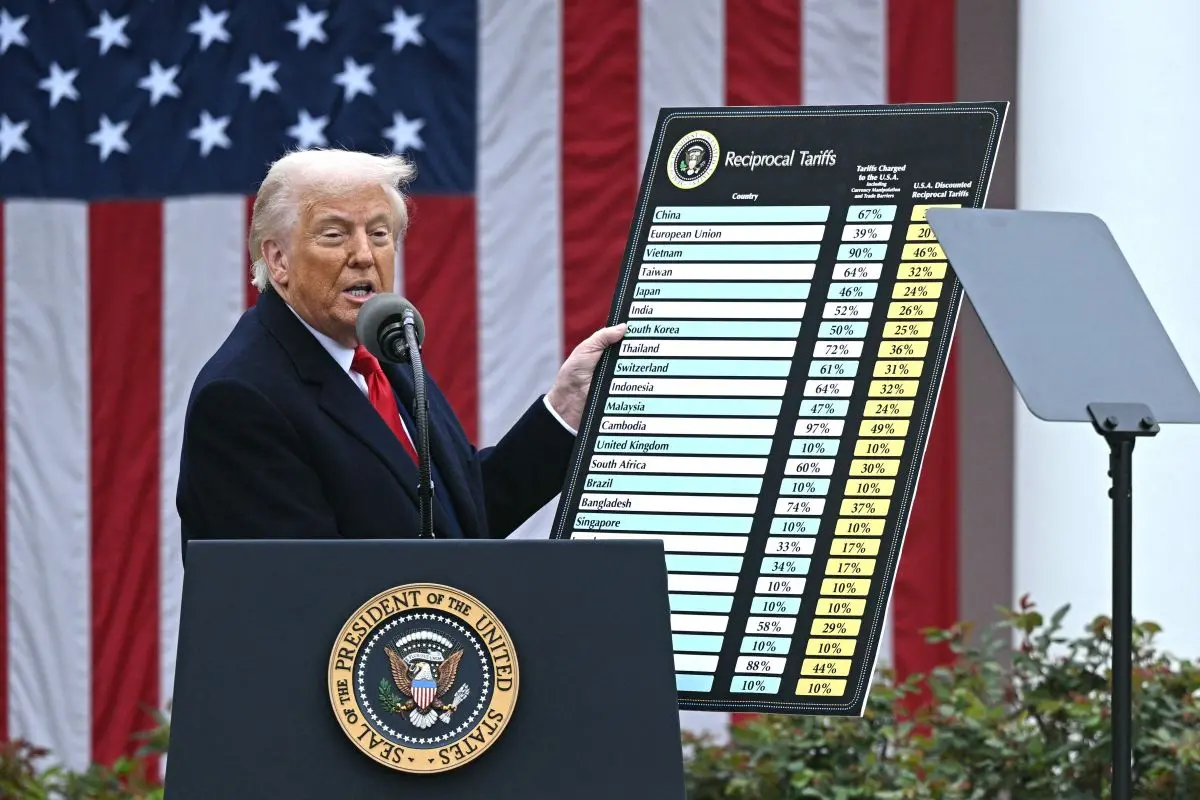
The initial 25% tariffs imposed by the United States on Indian imports officially went into effect on Thursday, as President Donald Trump announced that billions of dollars from countries he claims "have taken advantage of America" would now flow into the US.
In a post on Truth Social, Trump stated, "It's Midnight!!! Billions of Dollars In Tariffs Are Now Flowing Into The United States Of America!" referring to the reciprocal tariffs that were announced last week.
The new 25% 'Reciprocal Tariff, Adjusted' applies to India, among nearly 70 nations listed in an executive order signed by Trump.
This comes on top of an additional 25% tariff on India announced on Wednesday, bringing the total duties to 50%.
The second tariff, which will take effect on August 27, was imposed in response to India's imports of Russian oil, which the White House claimed pose an "unusual and extraordinary threat" to the US. This combined tariff rate is among the highest the US has imposed on any country.
Backlash and Calls for Dialogue
India has officially responded to the tariffs, calling the targeting "unjustified and unreasonable." The Indian government reiterated that it will "take all necessary measures to safeguard its national interests and economic security."
The decision has drawn sharp criticism from within the US. Ajay Bhutoria, an Indian-American community leader and former advisor to President Joe Biden, strongly opposed the move, stating, "India supplies nearly half of America's affordable generic drugs. These tariffs will inflate prescription prices, hitting families, seniors, and small businesses hard." He also noted a "double standard," as Trump granted China a 90-day tariff pause while targeting a key democratic ally like India for its energy needs.
Indiaspora, a non-profit organization of global Indian diaspora leaders, also weighed in, expressing optimism that the "current setback" in the bilateral relationship will be temporary. In a statement, the organization called the US-India relationship "essential," urging both nations to prioritize dialogue to strengthen their alliance and economic partnership, which currently stands at $186 billion.
Over the last few months, India and the US had held several rounds of negotiations for a bilateral trade deal, but these talks failed to resolve "sharp divergences in certain critical areas, including agriculture and dairy."
Economic Concerns
While some experts argue the effects on prices will be one-off, many economists and industry groups are sounding the alarm. They warn that the new levies will severely hurt smaller American businesses and could fuel inflation.
Marc Busch, a Georgetown University professor, told AFP that as importers’ stockpiles diminish, businesses will likely pass more of the cost on to consumers.
"With back-to-school shopping just weeks away, this will matter politically," Busch said.
The new tariffs also create confusion for US trading partners. The order leaves lingering questions for countries that have recently negotiated deals with Trump, such as Japan, the EU, and South Korea, which are still waiting for a date for promised reduced auto tariffs to take effect. A White House official told AFP that Japan's 15% tariff stacks atop existing duties, despite Tokyo’s expectations of concessions.
The US Wine Trade Alliance, among other groups, has urged for its exclusion from the tariffs, noting that "wine sales account for up to 60 percent of gross margins of full-service restaurants."