14 governments in 2 decades: Why Nepal's democracy is a revolving door
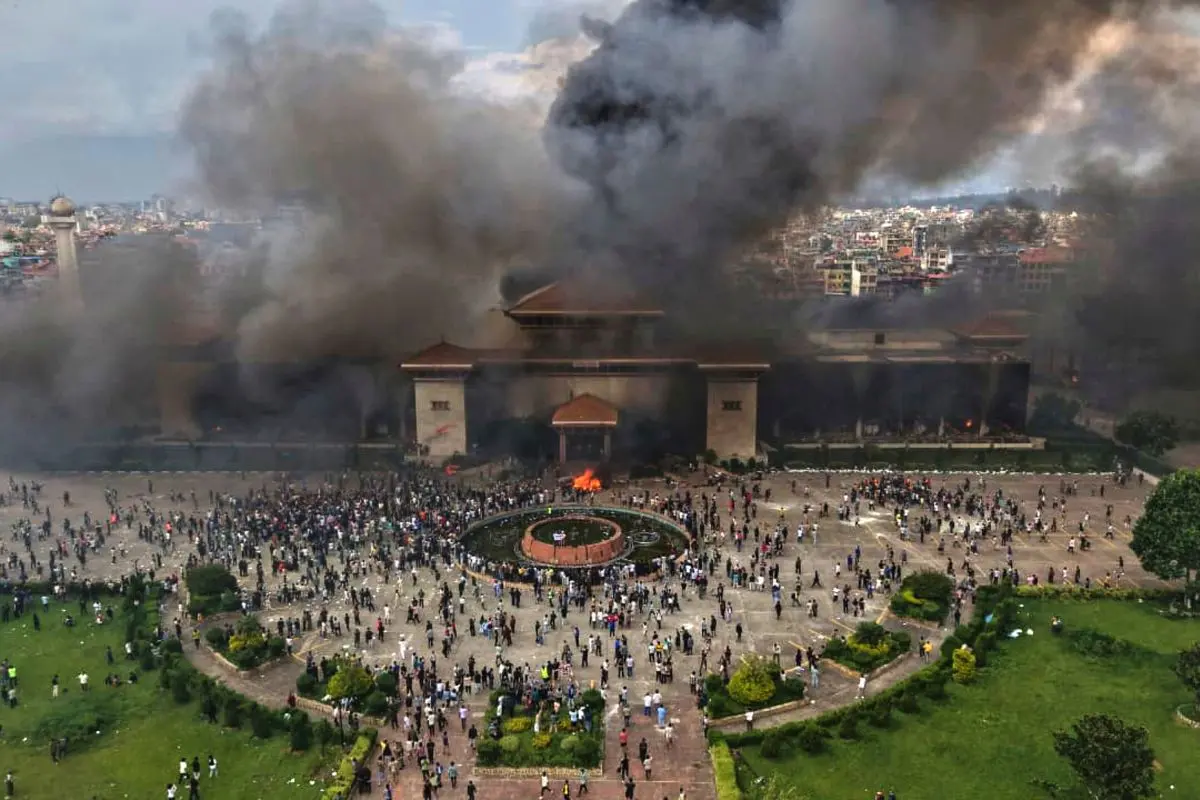
Kathmandu: Nepal’s political landscape over the last 20 years has been dominated by chronic instability, evidenced by the formation of 14 different governments since 2005. Despite the country’s transition from monarchy to a federal democratic republic in 2008, no government has completed a full five-year term, reflecting continued fragility in governance.
The turmoil began in February 2005 when King Gyanendra staged a royal coup, dissolving parliament and asserting direct control. Public protests, known as Jana Andolan II, culminated in the reinstatement of parliament in April 2006 and an agreement to end the Maoist insurgency through peace talks. The monarchy was abolished in May 2008, with Nepal declared a federal democratic republic.
Since then, political power has alternated mainly between the Nepali Congress and communist factions—the Communist Party of Nepal (Unified Marxist-Leninist or UML) and the Maoist Centre. Frequent coalition breakdowns, factional rivalries, and shifting alliances have precipitated rapid government turnovers.
Key turning points include:
- 2008–2009: Maoist leader Pushpa Kamal Dahal (Prachanda) served as the first prime minister of the republic but resigned following army integration disputes.
- 2009–2013: Short-lived administrations under Madhav Kumar Nepal, Jhala Nath Khanal, and Baburam Bhattarai struggled amid constitutional deadlock.
- 2013–2014: An unprecedented caretaker government led by Chief Justice Khil Raj Regmi governed during political deadlock and election preparations.
- 2014–2015: Nepali Congress leader Sushil Koirala facilitated the promulgation of Nepal’s new constitution in 2015 despite ethnic protests.
- 2015–2021: K.P. Sharma Oli’s successive terms saw attempts to consolidate power amid internal splits and public unrest.
- 2021–2024: Sher Bahadur Deuba of Nepali Congress held fluctuating power amid parliamentary dissolutions.
- 2024–2025: Oli resumed premiership but resigned amid widespread anti-corruption protests.
Structural causes of instability include Nepal’s proportional electoral system, fractured party politics, and corruption. Economic hardships and public discontent have further fueled protests and unrest.
Nepal’s revolving governments have hindered policy continuity and institutional strengthening. Analysts stress urgent reforms to build stable coalitions and inclusive governance for the country’s democratic future.