Inside New Zealand’s horrific ‘suitcase murders’: How a storage auction led to a mother’s life sentence
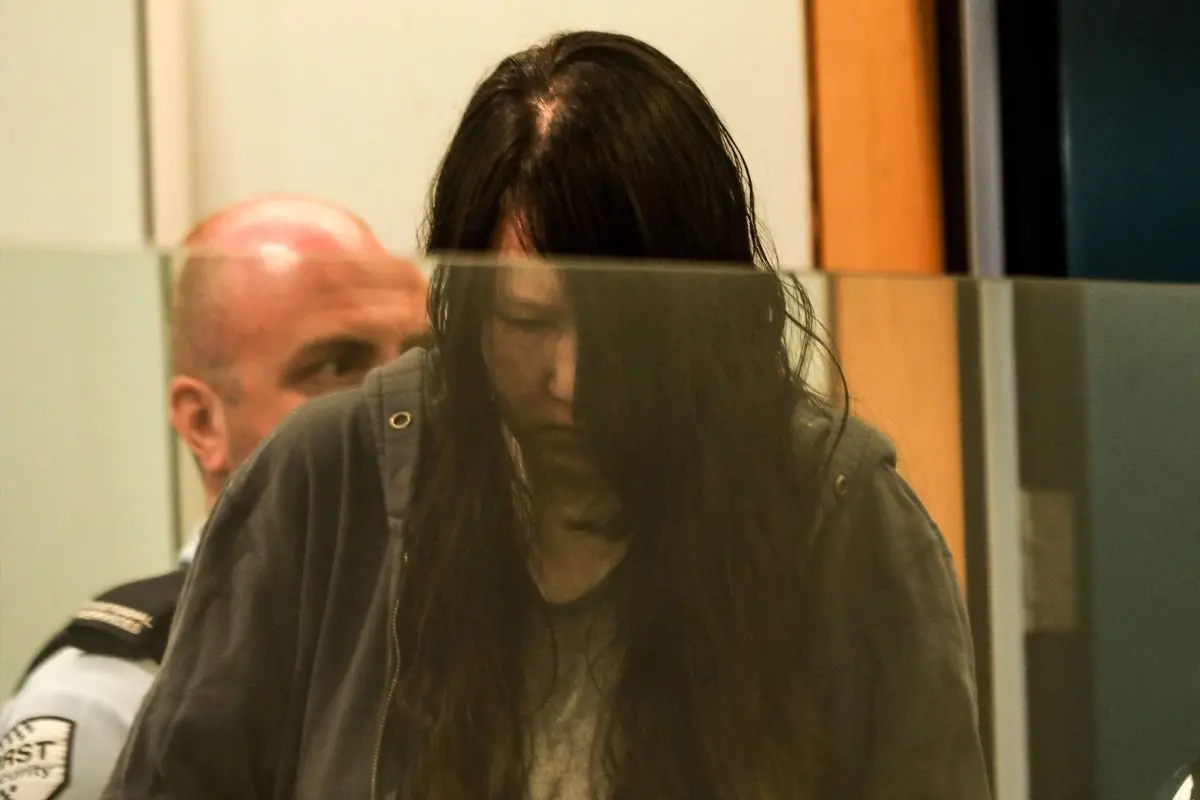
Auckland: A New Zealand mother who murdered her two young children and hid their bodies in suitcases stored in a suburban locker has been sentenced to life imprisonment.
Hakyung Lee, 45, a New Zealand citizen originally from South Korea, was earlier this year found guilty of what became known as the country’s “suitcase murders”. High Court judge Geoffrey Venning handed down a life sentence on Wednesday, imposing a minimum non-parole period of 17 years. He said Lee had killed children who were “particularly vulnerable”.
Lee showed little emotion as the sentence was delivered, sitting with her head bowed and eyes fixed on the floor.
What happened in 2018?
Lee drugged her six-year-old son Minu Jo and eight-year-old daughter Yuna Jo by lacing their fruit juice with an overdose of prescription medication in 2018. Grieving after the death of her husband from cancer, she told authorities she had intended for all three of them to die but had miscalculated the dose.
After the children died, Lee wrapped their bodies in plastic bags, placed them in suitcases, and hid them in a storage warehouse on the outskirts of Auckland. The remains went undiscovered until 2022, when a family who had purchased the abandoned locker at auction opened the suitcases.
Police later identified the children using DNA and forensic evidence, ultimately tracing the killings to Lee, who had changed her name and returned to South Korea. She was arrested in Ulsan and extradited to New Zealand to stand trial.
“Why didn’t she die alone?”
Wednesday’s sentencing hearing detailed the devastation left within the family.
“If she wanted to die, why didn’t she die alone? Why did she take the innocent children with her?” Lee’s mother, Choon Ja Lee, said in a statement read to the court.
Lee’s brother-in-law, Sei Wook Cho, said the children’s other grandmother — gravely ill with cancer — still did not know what had happened. “My daily existence is a time bomb of fear,” he said in a statement. “They were our hope for the future. This is an ongoing sentence from which I can never be paroled.”
The trial centred on whether Lee understood her actions were morally wrong. Although she confessed to the killings, her defence argued she was not guilty by reason of insanity, citing a severe depressive spiral following her husband’s death in 2017. A forensic psychiatrist testified that Lee believed killing her children was the “right thing” to do.
Prosecutors, however, said her actions were deliberate and methodical, emphasising her attempts to conceal the bodies and then flee the country.