Russia-Ukraine war: 620 drones target Moscow region in massive overnight attack
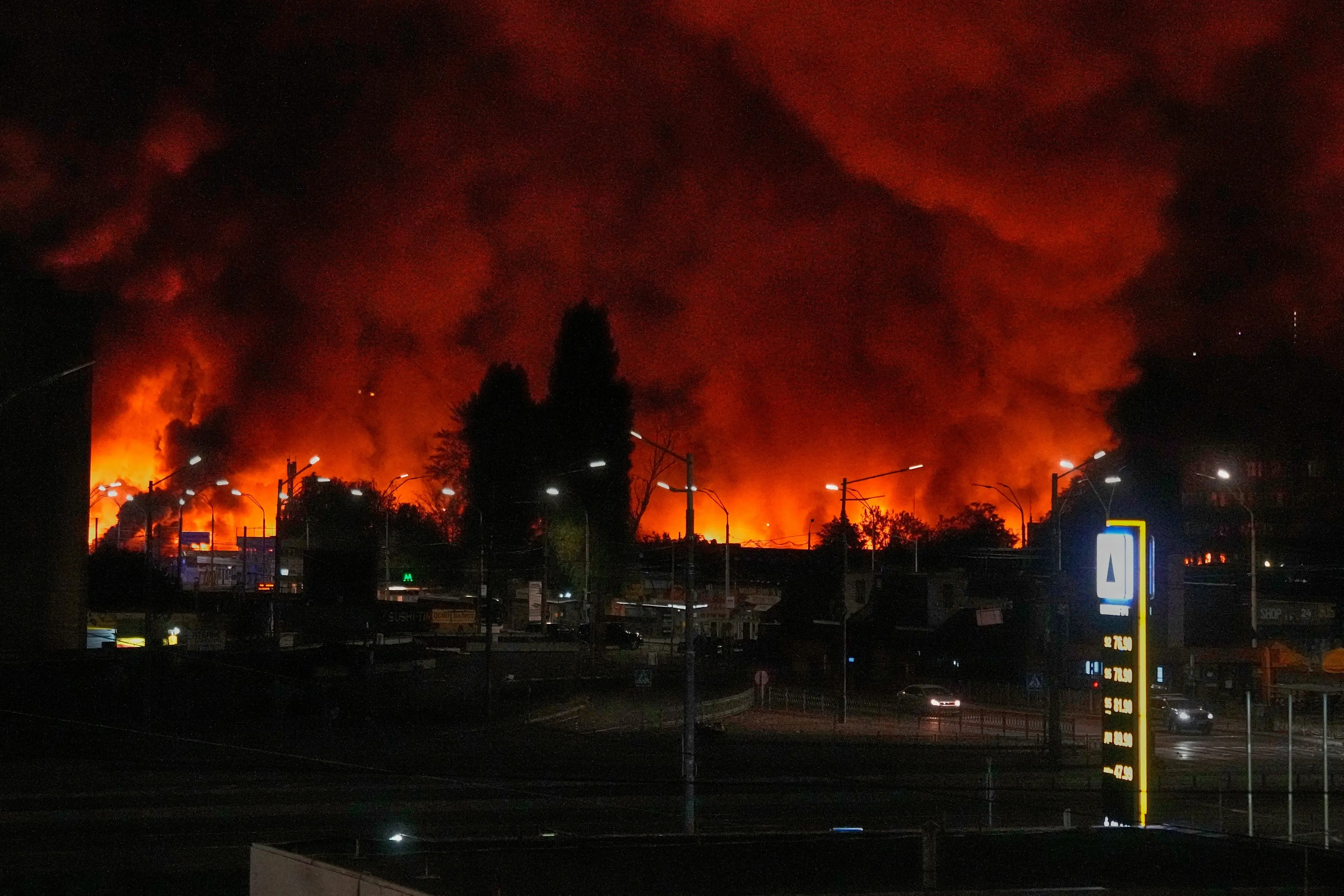
Moscow: Russia has reported one of the largest drone attacks targeting the Moscow region in recent years, with officials saying 620 drones were detected heading towards the region, more than 180 were intercepted and several people were injured.
Russian officials said a massive wave of drones targeted the Moscow region overnight on August 18.
Moscow Mayor Sergei Sobyanin said Russian air defences intercepted more than 180 drones over the capital region. Moscow Region Governor Andrey Vorobyov also reported drone activity and damage at several locations.
The figures and details provided by Russian officials have not been independently verified.
The reported attack caused damage to buildings and triggered fires in several parts of the Moscow region.
Several people reportedly injured
Vorobyov said debris from intercepted drones injured people in different locations.
A woman was reportedly injured in the Bogorodsky district, while a man was reported injured in Kolomna. In the Ramenskoye district, a 10-year-old girl reportedly suffered a shrapnel wound to her arm.
Emergency services were deployed to locations where drone debris reportedly fell.
A warehouse belonging to e-commerce company Wildberries in the Atlant Park area of the Bogorodsky district was reportedly struck.
Vorobyov said the facility caught fire but that the blaze was contained. He reported no casualties at the warehouse.
The reported incident follows another attack on a Wildberries logistics facility in the Moscow region during the night of August 15-16.
Homes and other buildings damaged
The Moscow region governor reported damage across several locations.
In the village of Kuznetsy in Pavlovsky Posad district, a private house was reportedly destroyed by fire.
A fire also broke out on the roof of an apartment building in Pavlovsky Posad, prompting the evacuation of residents. No injuries were reported there.
Another fire was reported on 1 May Street.
In Kolomna, drone debris reportedly fell near a shopping pavilion close to the Globus shopping centre. Officials also reported damage to a Civil Registry Office building, a shop and windows of a residential building on Sovetskaya Square.
Damage was also reported in Kotelniki and Elektrostal.
The reported scale of the attack
Russian authorities said 620 drones flew towards the Moscow region and that more than 180 were intercepted over the area.
Russian state media described the incident as the largest drone attack against Moscow and the surrounding region in two years.
However, the reported figure of 620 drones remains a claim by Russian officials and has not been independently verified.
The number of drones that actually reached the Moscow region, as opposed to those detected or targeted during the wider attack, is also not independently established.
Why is the attack significant?
The reported attack is significant because Moscow is located far from the main front line of the Russia-Ukraine war.
Ukraine has increasingly used long-range drones to strike targets deep inside Russian territory. Such attacks have targeted military facilities, energy infrastructure, industrial sites and logistics centres.
Russia has also continued its extensive missile and drone attacks against Ukraine.
The expansion of long-range drone warfare has therefore increasingly brought the consequences of the war closer to major population centres in Russia.
Russia's air defence response
Russian officials said air-defence systems intercepted more than 180 drones over the Moscow region.
Even when drones are intercepted, falling debris can cause damage and injuries. Russian authorities attributed several of the reported injuries and incidents to debris from drones that had been shot down.
The scale of the reported attack also puts pressure on the air-defence network protecting Moscow and its surrounding infrastructure.
Part of a wider pattern
The reported Moscow attack comes after several other incidents involving strikes deep inside Russia.
On August 14, the NOVATEK-Ust-Luga complex in the Leningrad region was reportedly struck, with two processing facilities affected.
During the night of August 15-16, a Wildberries marketplace warehouse in Koledino in the Moscow region was reportedly targeted. A logistics complex in Domodedovo also caught fire.
The incidents form part of a broader pattern of long-range drone attacks during the continuing Russia-Ukraine conflict.
Has Ukraine claimed responsibility?
The material available does not include a direct Ukrainian claim of responsibility for the August 18 attack.
Ukraine has carried out long-range drone strikes inside Russia but does not always immediately claim responsibility for individual incidents.
The reported number of drones, the extent of the damage and the circumstances of the individual strikes should therefore be treated as Russian claims unless independently confirmed.
What happens next?
Russian emergency services are assessing the reported damage and dealing with the aftermath at affected locations.
The attack is likely to increase scrutiny of Russia's air-defence capabilities around Moscow and Ukraine's ability to conduct long-range drone operations.
For Ukraine, long-range drones provide a way to strike targets well beyond the immediate battlefield. For Russia, attacks near Moscow and other major cities create additional pressure to protect critical infrastructure and civilian areas.
Why Moscow is increasingly within range of drone warfare
The Russia-Ukraine war has increasingly extended beyond the immediate battlefield through long-range missile and drone attacks.
Drones can give Ukraine a relatively inexpensive way to reach military, industrial and logistical targets deep inside Russia. They can also force Russia to divert air-defence resources towards protecting areas far from the front.
For Russia, the challenge is not limited to preventing drones from reaching their intended targets. Intercepted drones can still create risks when debris falls over populated areas.
The reported August 18 attack stands out because Russian officials claimed that 620 drones were involved. That figure has not been independently verified, but the reported consequences were substantial, including injuries, fires and damage to residential and commercial properties.
The episode illustrates how drone warfare is changing the geographical reach of the conflict. Major cities such as Moscow are increasingly part of the strategic calculations surrounding air defence, infrastructure protection and long-range strikes.