Melania Trump secures Russia-Ukraine ceasefire in Oleshky, White House announces
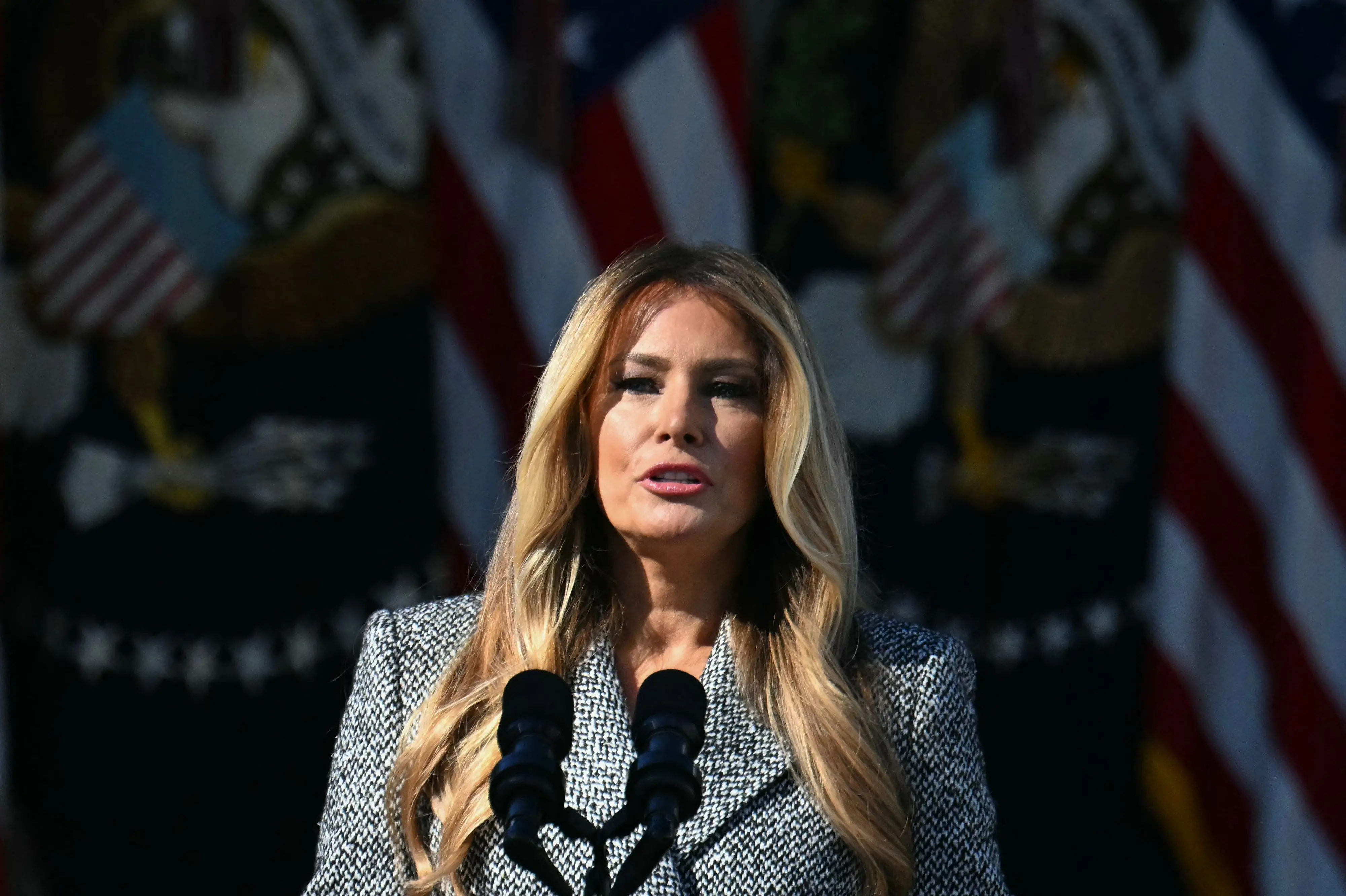
The White House announced on Friday, 23 October, that US First Lady Melania Trump has secured a temporary ceasefire between Russia and Ukraine in the Russian-occupied city of Oleshky, scheduled to take effect on 29 October.
The localised ceasefire is intended to allow humanitarian assistance to reach civilians and facilitate their evacuation through a designated safe passage. According to the White House, both sides have agreed to temporarily suspend military operations in the city to enable the arrangements.
Located in Ukraine’s southern Kherson region, Oleshky lies across the Dnipro River from Kherson and has remained under Russian occupation since February 2022.
The town has faced a worsening humanitarian crisis, with residents reportedly struggling to obtain food, medicines and clean water.
The remaining population is believed to be largely elderly, many of whom urgently need medical assistance.
The lack of essential supplies and the dangers of leaving the town have compounded the difficulties civilians face in the conflict.
In a statement released by the White House, Melania Trump described the situation as critical and stressed the urgent need to provide residents with basic necessities, including food, medicine and clean water.
The First Lady reportedly began talks with Russian and Ukrainian leadership, working through a representative to set the terms of the proposed truce. Neither government immediately responded publicly to the announcement.
Melania Trump has previously been involved in efforts to reunite Ukrainian children separated from their families during the war. Her humanitarian engagement has included discussions ato secure the return of children to their homes.
The Oleshky arrangement is a localised humanitarian measure rather than a comprehensive ceasefire covering the wider Russia-Ukraine conflict. Its immediate objective is to create conditions for aid deliveries and the safe movement of civilians in an area severely affected by the fighting.
Attention will now turn to whether the agreement is implemented as scheduled and whether humanitarian supplies can reach those in need.
The initiative's success will depend on compliance with the ceasefire terms and the establishment of a safe route for civilian evacuation.