Mark Sewards becomes first British MP to create virtual AI avatar
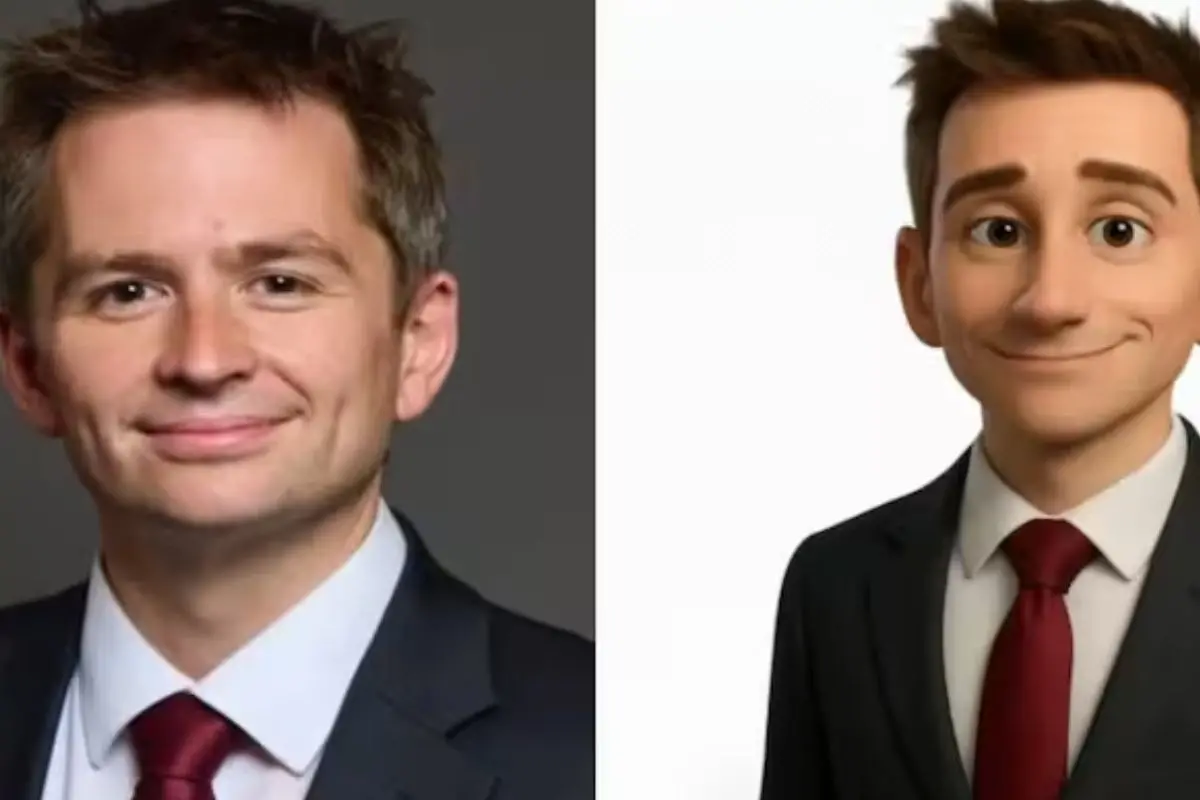
London: A British MP has launched a virtual version of himself in an effort to stay more connected with the people he represents. Mark Sewards, who serves as the Labour Member of Parliament for Leeds South West and Morley, has teamed up with a tech company called Neural Voice to create an AI-powered chatbot that speaks in his voice.
Dubbed the UK’s first “virtual MP”, the tool is designed to provide round-the-clock advice, support, and assistance by forwarding messages to his team.
Sewards believes the tool will "help strengthen the connection between an MP's office and the constituents we serve" by being accessible "24/7, 365 days a year."
Though the chatbot is still in its growing stages, he has encouraged people in his constituency to "give AI Mark a try," explaining, "The AI revolution is happening, and we must embrace it or be left behind."
He further added, "We have to embrace the opportunities that are represented by AI and what better way to learn about it than to become it?" He hopes this digital approach will genuinely benefit the people he represents, saying, "If we can create a model that functions properly without saying ridiculous things, then that's the way to go. The only way to do this is to dip your toe in the water and get involved."
As reported by the BBC, all conversations with the AI are recorded so his team can identify the main issues people are raising. While Sewards sees potential in the project, not everyone shares his optimism.
The other side
Some critics worry that the use of this technology might actually create more distance between politicians and the people they serve. Dr Susan Oman, a senior lecturer in data, AI and society, cautioned, "There is the risk here that as an MP you are trying to be more efficient and more present for your constituents, but the knock-on effect is they feel less listened to." She also expressed concerns about data privacy and the loss of personal connection, particularly for older users. "They may not realise they're chatting to a bot and often think they are chatting to a real person. This can end up being quite a distressing experience and adds to the confusion."
Victoria Honeyman, a lecturer in British politics at the University of Leeds, also raised concerns about how well a chatbot can respond to people dealing with serious or emotional issues. "People may be talking about emotionally wrought problems and for those people, being put through a bot, even briefly, might cause more upset," she said.
She also warned, "Chatbots are developed by humans, so, like us, they can make mistakes and that could end up undermining people's confidence in their MP."
However, she acknowledged the need to observe how such technology evolves, saying, "With adaptations it may work fine."