Rubio returns to India in October: Trade deal, Trump visit and Iran on the table
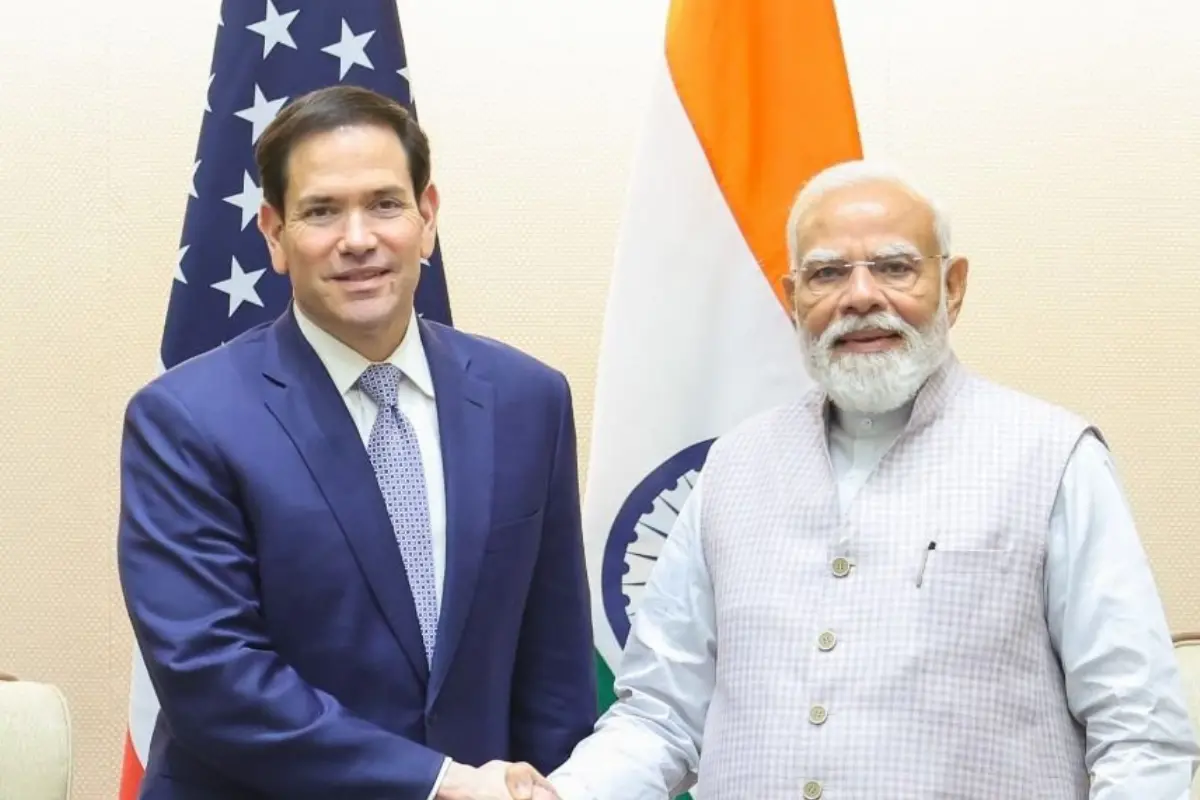
US Secretary of State Marco Rubio is expected to visit India in October 2026 as New Delhi and Washington continue discussions on their trade agreement, while fresh US warnings over dealings with Iran have added another issue to the bilateral relationship.
Rubio is scheduled to travel to India in October for a multi-day visit, according to US Ambassador to India Sergio Gor.
The visit is expected to help prepare for US President Donald Trump’s anticipated visit to India in early 2027 and provide an opportunity for senior officials to review the broader state of India-US relations.
Rubio is also expected to travel to Australia after his India visit for a meeting of the Quad, linking his India trip to wider US engagement in the Indo-Pacific.
What will Rubio discuss in India?
The India-US trade agreement is expected to be among the key issues during Rubio’s visit.
New Delhi and Washington have been negotiating trade arrangements amid differences over tariffs and market access. The upcoming visit could provide another opportunity to work towards resolving outstanding issues.
The two sides are also expected to discuss strategic cooperation and regional developments.
Rubio has already visited India once in 2026. During his May visit, trade friction, energy security and regional issues were among the subjects discussed.
Why has Iran entered the India-US conversation?
Rubio’s latest comments came shortly after Prime Minister Narendra Modi met Iranian President Masoud Pezeshkian on the sidelines of the Shanghai Cooperation Organisation summit in Bishkek, Kyrgyzstan.
Asked whether India and Iran were working on a trade deal, Rubio said he did not believe there was one.
“Well, I don’t think there’s a trade deal between India and Iran,” Rubio said.
He acknowledged that countries have their own foreign policies and that many governments maintain contact with Tehran.
However, Rubio reiterated the US position that countries should not help Iran circumvent American sanctions.
“I think what ultimately happens, though, is — and the President’s been very clear — is no country should be helping Iran evade sanctions,” he said.
Rubio further warned that countries facilitating mechanisms that allow Iran to generate revenue could themselves face US sanctions.
“And if countries decide to do that, then we’re going to have to sanction them too,” he said.
What did Modi discuss with Iran’s president?
Modi said India remained committed to strengthening its longstanding relationship with Iran.
After meeting Pezeshkian, the Prime Minister said India wanted to expand and diversify its trade basket with Iran.
The two leaders also discussed the situation in West Asia.
The Ministry of External Affairs described the meeting as “fruitful”. MEA spokesperson Randhir Jaiswal said Modi reiterated India’s position that regional issues should be addressed through “dialogue and diplomacy”.
The discussions also covered peace and stability, freedom of navigation and commerce, and the safety of commercial shipping, seafarers and civilians amid the ongoing West Asia conflict.
Modi also reiterated India’s willingness to cooperate with Iran through multilateral organisations, including BRICS and the SCO.
He said he looked forward to welcoming Pezeshkian to India for the BRICS Summit scheduled in New Delhi from September 12 to 13.
Does Rubio’s statement mean India and Iran have no trade?
No. Rubio’s comment was specifically about whether there was a current India-Iran trade deal. It should not be interpreted as saying that India and Iran have no trade relationship.
India and Iran have longstanding economic and diplomatic ties. New Delhi has also continued to discuss expanding bilateral trade and cooperation with Tehran.
The issue for Washington is different: the US has extensive sanctions on Iran and has warned countries against helping Tehran evade those restrictions.
Why does this matter for India?
India is maintaining strategic relationships with both the US and Iran.
Washington is an increasingly important economic and strategic partner for New Delhi, while Iran remains significant for India because of its longstanding bilateral relationship, regional connectivity interests and engagement with West Asia.
This means New Delhi has to balance its relationships while maintaining its stated position of pursuing an independent foreign policy.
Rubio’s October visit will therefore come at a sensitive time. Trade negotiations with Washington will continue alongside India’s diplomatic engagement with Tehran.
What does Trump’s expected 2027 visit have to do with Rubio’s trip?
Rubio’s October visit is expected to help prepare the ground for Trump’s anticipated India visit in early 2027.
A senior-level visit ahead of a presidential trip can provide an opportunity to narrow differences on issues that could feature in later leader-level discussions.
For India and the US, trade is likely to remain one of the central issues, alongside defence cooperation, technology, energy and developments in the Indo-Pacific.
What happens next?
Rubio’s October visit is expected to provide another high-level platform for India and the US to address their trade differences and review strategic cooperation.
At the same time, Washington’s latest warning on Iran could make New Delhi’s engagement with Tehran an important backdrop to the talks.
India has continued to stress dialogue and diplomacy as its preferred approach to regional conflicts and has maintained that its foreign policy decisions are guided by its own national interests.
The October discussions could therefore test how effectively India and the US manage areas of strategic convergence while handling differences over trade and Iran.
Why Rubio’s October visit could be important
Rubio’s visit comes at the intersection of three major developments in India-US relations: ongoing trade negotiations, preparations for Trump’s expected India visit and Washington’s concerns over Iran.
The trade track is primarily bilateral and focuses on economic issues between India and the US. The Iran issue is broader and reflects Washington’s sanctions policy and the continuing conflict in West Asia.
For New Delhi, the challenge is to advance its relationship with Washington without abandoning longstanding diplomatic and economic engagement with Tehran.
Rubio’s latest remarks do not establish that India is negotiating a new trade agreement with Iran. Modi’s own statement, however, shows that India wants to expand and diversify trade with Tehran.
That difference in emphasis is important. India sees its Iran relationship through the wider lens of bilateral ties and regional diplomacy, while the US is particularly focused on preventing Iran from accessing revenue through mechanisms that Washington considers sanctions evasion.
The October Rubio visit could therefore be significant not only for the US-India trade agreement but also for how both countries manage their differing approaches to Iran and the wider West Asia crisis.