Why Lula wants to regulate social media after his Brazil election victory
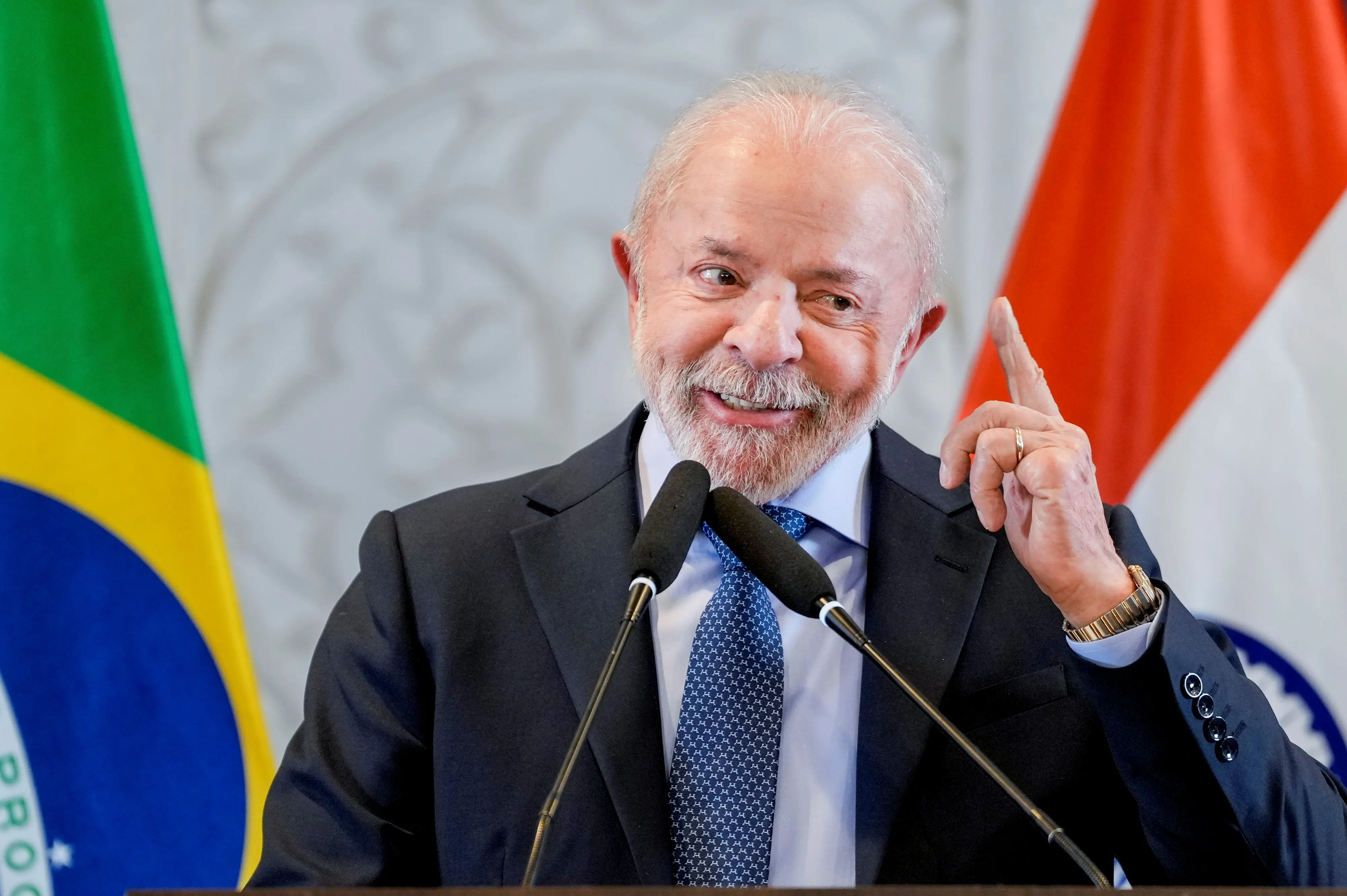
Brazilian President Luiz Inácio Lula da Silva has renewed his call to regulate social media companies after accusing Meta of unfairly affecting his campaign during the presidential election, bringing the role of digital platforms in elections into focus.
Speaking after securing re-election on Sunday, October 25, Lula said social media companies would have to face regulation. His remarks followed a bitter dispute with Meta, the parent company of Facebook, Instagram and WhatsApp, over allegations that its platforms disadvantaged his campaign.
The controversy centred on claims by Lula's campaign that Meta's algorithms favoured his rival, Flávio Bolsonaro, while restricting the reach of content supporting the incumbent president.
Meta has denied interfering in the election or favouring any candidate. The company has attributed the problems reported during the campaign to technical errors.
What triggered Lula's demand to regulate social media?
The dispute intensified in the final weeks of Brazil's presidential race, when Lula's campaign raised concerns about the visibility and distribution of its content across Meta's platforms.
His campaign alleged that some posts faced restrictions and that the platform's systems appeared to benefit Bolsonaro's campaign. It also raised concerns about the handling of political content generated through Meta's artificial intelligence tools.
Meta acknowledged that Lula's campaign advertising account had been mistakenly disabled for a little over an hour in September. The company said the error occurred during a review of a suspected attempt to impersonate a government social programme and was corrected.
It rejected claims that the incidents amounted to political interference, maintaining that its systems do not favour candidates based on their political ideology.
Why is Meta facing scrutiny over Brazil's election?
The dispute has put the influence of major technology companies over political communication under renewed scrutiny. Campaigns increasingly rely on social media to reach voters, making the visibility of posts and the delivery of paid advertisements important points of contention.
In Brazil, the disagreement went beyond campaign rhetoric. The country's Superior Electoral Court sought explanations from Meta over allegations of unequal treatment of the candidates' content.
The company subsequently said it had introduced measures to ensure equal treatment of the campaigns.
Lula's latest remarks suggest that the argument over digital platforms will remain on his agenda beyond election day. His call for regulation raises questions about how Brazil intends to oversee technology companies and their role in political campaigning.
With agency inputs