Drone hits LPG tanker near Strait of Hormuz; 9 Indians among 19 crew safe
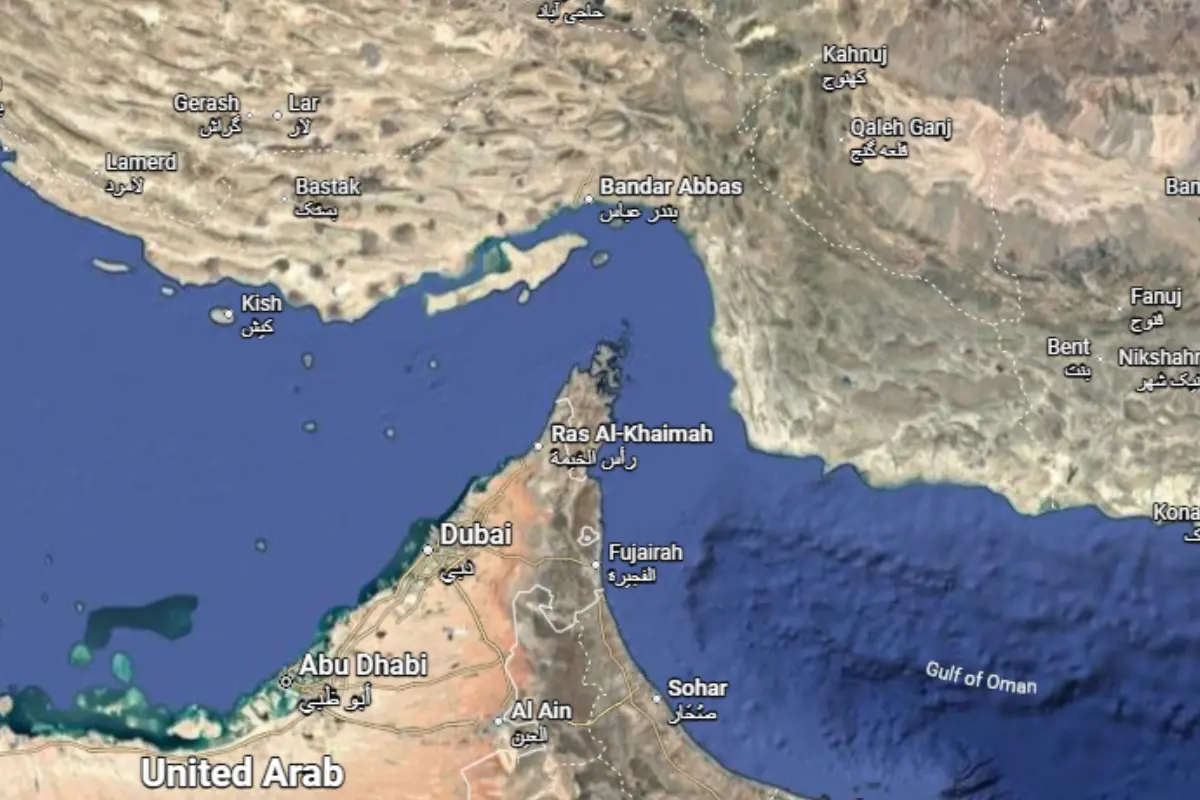
A Liberia-flagged LPG tanker, M.T. Al Maryah, was reportedly struck by a drone while sailing eastbound outside the Strait of Hormuz on Sunday, according to a report prepared by the Directorate of Maritime Administration.
The vessel’s power and main engine remain operational, and the tanker has been safely anchored at Khor Fakkan. All 19 crew members on board, including nine Indian nationals, have been confirmed safe.
The incident comes amid heightened security concerns surrounding commercial shipping in the Persian Gulf and the Strait of Hormuz, a major international maritime route.
Indian vessels and seafarers in the region
According to the report, six Indian-flagged vessels and seven foreign-flagged vessels of Indian interest were in the Persian Gulf, west of the Strait of Hormuz. Together, they were carrying 145 Indian seafarers.
Nine vessels of Indian interest remain in the Persian Gulf, west of the Strait of Hormuz, and have been identified for evacuation. The group includes seven fertiliser cargo vessels and two other vessels.
The maritime administration has reported four incidents involving Indian-flagged vessels and 58 incidents involving foreign-flagged vessels carrying Indian crew members.
These incidents have resulted in 10 confirmed deaths, 12 injuries and one presumed death, according to the report.
No new incidents involving Indian vessels reported
Despite the latest drone incident involving the LPG tanker, no new operational safety or security incidents involving Indian vessels or Indian seafarers were reported on Sunday.
The safe anchoring of M.T. Al Maryah means its crew remain accounted for and the vessel’s main propulsion and power systems are still functioning.
Why the Strait of Hormuz matters
The Strait of Hormuz connects the Persian Gulf with the Gulf of Oman and is one of the world's most important maritime passages for energy shipments. Any disruption or security incident in the area can affect commercial vessels, crew safety and global energy supply chains.
For India, the security situation has particular significance because Indian seafarers are employed on both Indian-flagged and foreign-flagged vessels operating through the region.
The drone strike adds to a wider pattern of security incidents affecting merchant vessels and Indian seafarers in and around the Persian Gulf. The identification of vessels for evacuation indicates that authorities are continuing to assess the risks faced by Indian-linked shipping in the area.
The fact that M.T. Al Maryah remained operational and that all 19 crew members were safe limits the immediate impact of the incident. However, the reported number of previous incidents involving vessels carrying Indian crew highlights the continuing risks for commercial shipping in the region.
For India, monitoring the location of its nationals, maintaining contact with vessels and arranging evacuation where necessary remain key maritime-safety concerns as tensions in West Asia continue.