Who is Li Ming? The man accused of running the network behind the Megaspeed Nvidia chip scandal
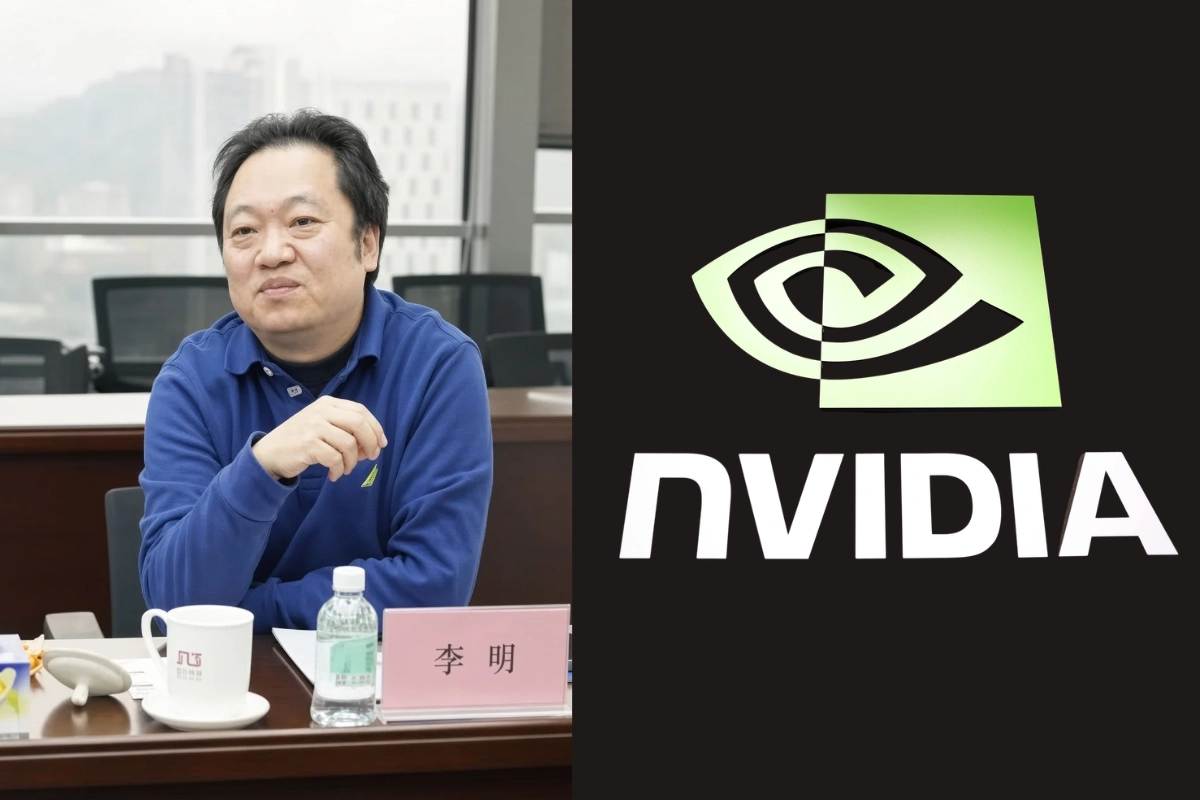
Singapore: Li Ming, a 52-year-old Chinese national based in Singapore, is at the centre of allegations involving the diversion of advanced Nvidia artificial intelligence (AI) chips to China in violation of US export restrictions.
According to an investigation by The Wall Street Journal (WSJ), Li allegedly played a key operational role in a network of companies involved in supplying restricted computing hardware to Chinese customers. He was reportedly involved in major business decisions at Megaspeed, a Singapore-based company where Alice Huang, the reported romantic partner of Nvidia co-founder Jensen Huang, served as managing director.
Li was charged with fraud in Singapore in February 2025 over allegations concerning the diversion of Nvidia-powered computer servers. He is currently out on bail, and the criminal proceedings remain ongoing.
The allegations against him extend beyond the transactions covered by the Singapore case. The WSJ investigation reported that Li had connections with several companies trading Nvidia chips and was involved in a wider business network operating across Southeast Asia.
His business association with Alice Huang and her husband, Kang Wei, reportedly dates back several years.
In 2021, Alice Huang and Kang Wei established a cloud-computing joint venture called Century Longteng. Chinese corporate registry records identified Li as the company's chief strategy officer in January 2023. He was also photographed during a visit to a Shanghai-based AI equipment company that month.
How did Li Ming allegedly divert Nvidia AI servers?
Singapore prosecutors allege that Li used his company, Luxuriate Your Life, to purchase computer servers equipped with Nvidia chips after informing a US supplier that the equipment would be used in Singapore.
However, the prosecution alleges that the servers were first transported to neighbouring Malaysia before being sent to an unidentified third country.
The case centres on whether the stated destination and intended use of the equipment were misrepresented to suppliers, allowing restricted computing hardware to move through a different supply chain.
The allegations are significant because US export controls restrict the sale of certain advanced AI processors and computing systems to China. These restrictions are intended to limit China's access to high-performance computing technology that can be used in advanced AI development and other strategic applications.
Although several companies were named in the Singapore charging documents, Megaspeed was not among them. Li's criminal case and the wider allegations concerning Megaspeed should therefore be distinguished.
How did Megaspeed gain access to Nvidia's advanced chips?
Megaspeed became a significant part of the alleged supply network after securing a place in Nvidia's cloud partner programme in November 2023, according to earlier WSJ reporting.
The company reportedly presented Alibaba, the Chinese technology giant, as one of its major customers. Its participation in the programme gave it priority access to Nvidia's latest processors.
Megaspeed reportedly supplied servers to Malaysia and provided offshore computing services to Alibaba. However, the WSJ investigation alleged that some Nvidia-powered equipment was subsequently sent to a Shanghai-based technology company called Century Litong, potentially violating US export restrictions.
Chinese corporate registry records showed that Century Longteng was a key shareholder in Century Litong until 2024. This corporate connection has drawn attention because of Li's reported role in Century Longteng and his association with Megaspeed's business network.
Nvidia reportedly placed Megaspeed on its internal no-sell list in June 2025, around the time US and Singapore authorities were investigating the company.
Megaspeed has denied wrongdoing and maintained that its business operations were legitimate and lawful. It has also said that Alice Huang left the company in August 2025.
What is Novagate Cloud and how is it linked to Megaspeed?
The WSJ investigation also examined a newer venture called Novagate Cloud, established in 2025.
The company describes itself as an Nvidia cloud partner and claims to operate at least two data centres equipped with the chipmaker's Blackwell processors.
Shipment records reviewed by the WSJ reportedly showed that Novagate received at least $300 million worth of hardware containing Nvidia chips at one of its Malaysian entities during the first five months of 2026.
A May 2026 report by short-selling firm Culper Research suggested that Novagate could be connected to Megaspeed. The report pointed to similarities between the companies' websites and a business address shared by one of their directors.
These findings have raised questions about whether business networks associated with Megaspeed continued operating through other companies. However, the reported similarities and shipment records do not, by themselves, establish that Novagate violated export controls.
Why are Alice Huang and Jensen Huang part of the controversy?
Alice Huang's reported relationship with Jensen Huang, Nvidia's co-founder and chief executive, has brought additional attention to the allegations surrounding Megaspeed.
According to earlier WSJ reporting, Alice Huang was introduced to Jensen Huang by her husband, Kang Wei, who had known the Nvidia executive for several years. The report also described the couple's business connections with Li Ming and their involvement in companies operating in the cloud-computing sector.
The supplied reports also refer to scrutiny surrounding Alice Huang's alleged links to Chinese intelligence. These remain allegations and should not be treated as established facts.
The controversy has also drawn attention to Jensen Huang's personal life and reported relationships. However, claims about his departure from Nvidia and the circumstances surrounding it require independent confirmation and should not be treated as established developments solely on the basis of the allegations described in the supplied reports.
Separately, reports cited in the supplied material say Taiwan revoked Alice Huang's entry permit amid an investigation into whether her visits involved intelligence gathering or possible violations of anti-infiltration laws. The allegations remain subject to investigation.
Why the Nvidia chip allegations matter
The allegations involving Li Ming, Megaspeed and Novagate Cloud highlight the challenges of enforcing export controls on advanced AI hardware.
The United States has imposed restrictions on the export of certain high-performance Nvidia chips and computing systems to China. These measures are designed to limit access to technology considered strategically important for artificial intelligence and advanced computing.
However, companies operating across several countries can make it difficult for authorities to establish the final destination and end user of restricted equipment. Servers may be purchased through one country, installed in another and potentially transferred or used to provide computing services elsewhere.
The allegations concerning Megaspeed illustrate why authorities examine not only direct chip shipments but also cloud-computing arrangements, corporate ownership structures, intermediaries and the ultimate users of computing capacity.
The reported emergence of Novagate Cloud has added another dimension to the investigation. If companies associated with a previously scrutinised network continue to operate through new entities, authorities may need to examine whether the same supply relationships and business practices have continued.
For Nvidia, the controversy raises questions about the oversight of its distribution network and the verification of customers' identities, ownership structures and intended uses of its products. For governments enforcing export restrictions, it highlights the importance of cooperation between countries and closer monitoring of cross-border technology shipments.
At this stage, the allegations against Li and the wider claims concerning the companies involved must be distinguished from proven criminal wrongdoing. The outcome of the Singapore proceedings and any further findings by US or other authorities will be important in establishing the extent of the alleged activity.