Primary schools in Lahore closed for a week as air quality plummets
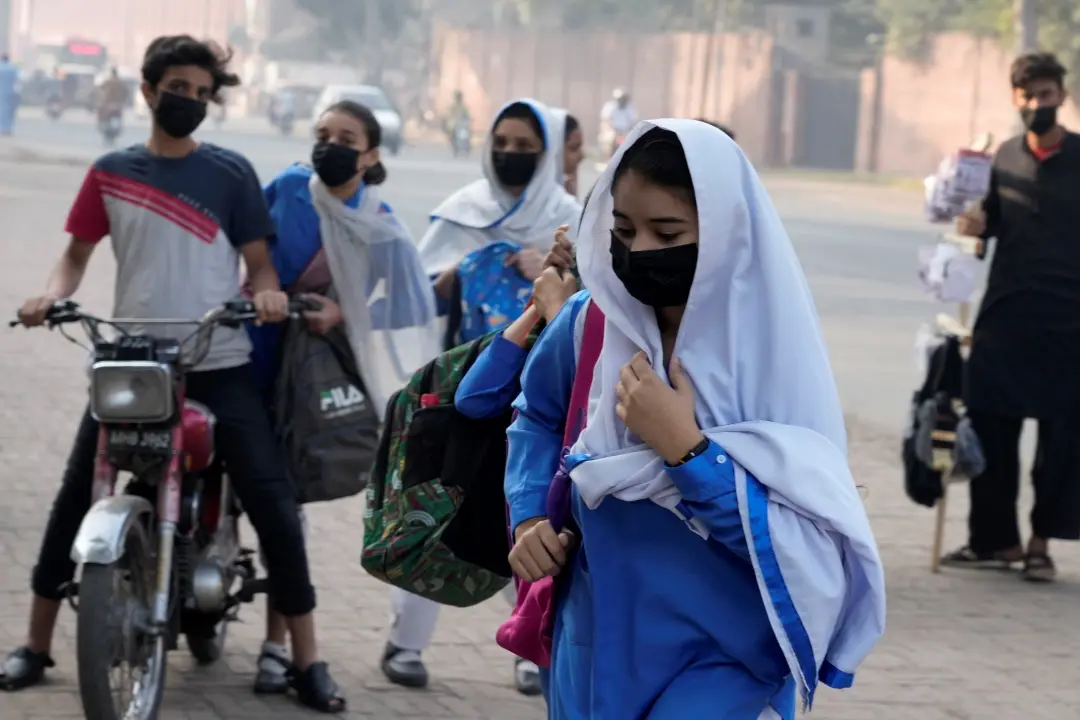
Lahore: Pakistani authorities were compelled to close primary schools in Lahore for a week starting Monday due to dangerously poor air quality, government officials announced after the air-quality index reached record levels over the weekend.
These measures are part of a broader effort to protect children from respiratory and other health issues in the city, which has a population of 14 million. Authorities mandated that everyone in Lahore must wear face masks.
The government also imposed a “green lockdown", requiring 50 percent of employees to work from home. Other restrictions included a ban on barbecuing food without filters and limitations on motorised rickshaws.
Wedding venues must close by 10 pm, and officials indicated that artificial rain might be deployed to help reduce pollution levels.
Over the weekend, Lahore’s air-quality index surpassed 1,000, marking an unprecedented high for Pakistan. The hazardous gray smog has affected tens of thousands, particularly children and the elderly, since air quality began deteriorating last month in Lahore, the capital of Punjab province bordering India.
In response, the government has restricted construction in certain areas and penalised owners of vehicles emitting excessive smoke. Schools will stay closed for a week due to pollution, per an official notification.
The Punjab Environment Protection Department reported that the concentration of PM 2.5—tiny, hazardous particulate matter—neared 450, a level deemed extremely dangerous.
Once celebrated as the "city of gardens" during the Mughal era from the 16th to 19th centuries, Lahore has seen its greenery diminish due to rapid urbanisation and population growth.