King Charles III breaks silence on UK far-right riots, praises police efforts
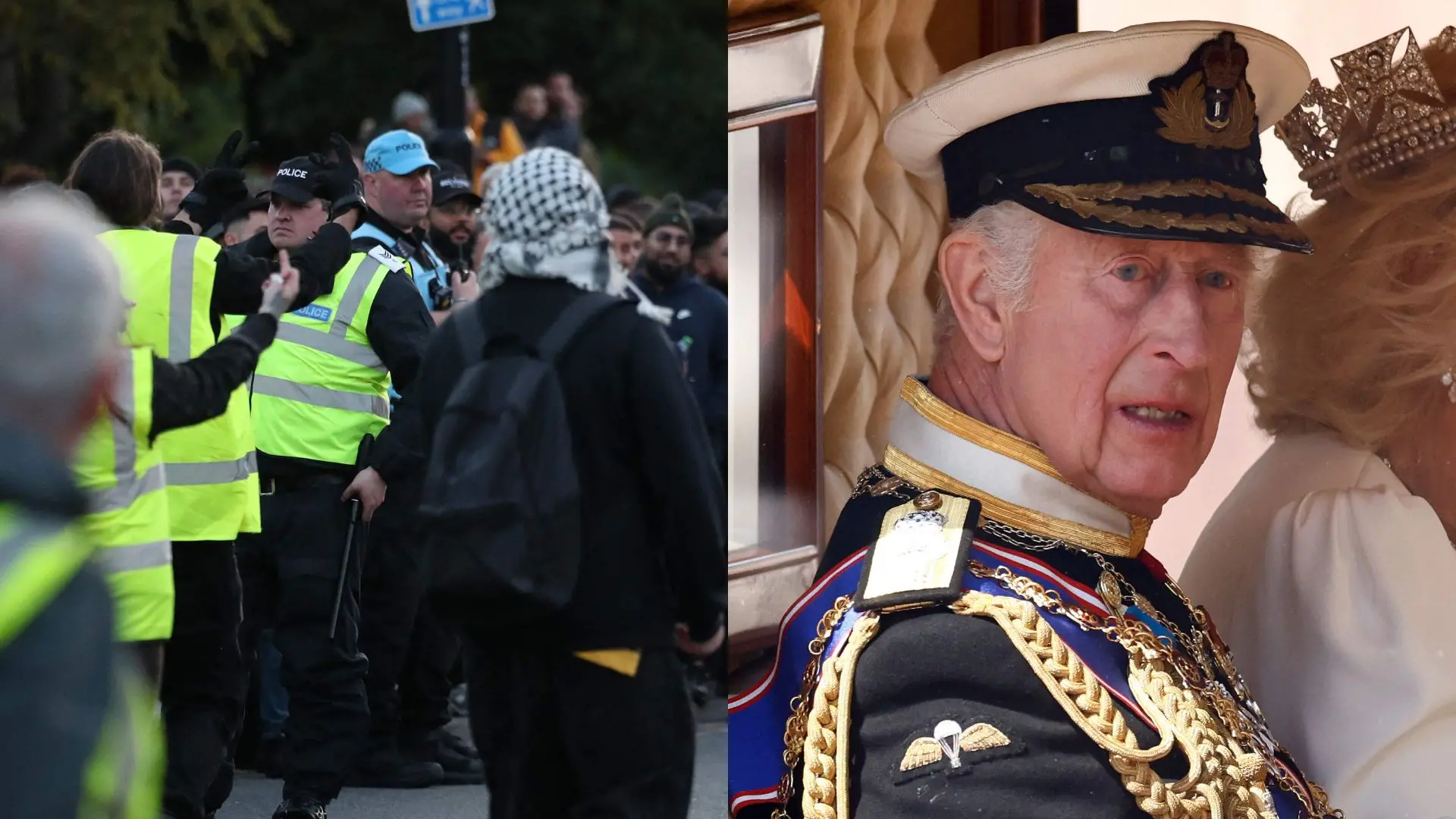
London: On Friday, King Charles III spoke publicly for the first time about the recent riots that have troubled British cities. He commended the police for their efforts to restore order and manage the violence.
The King and Queen Camilla expressed their sorrow to the families of three girls who were killed in a stabbing on July 29. However, Buckingham Palace had previously refrained from commenting on the subsequent riots that have occurred almost daily.
According to a spokesperson from Buckingham Palace, King Charles praised the British police and emergency services "for all they are doing to restore peace in those areas that have been affected by violent disorder." He hoped the "shared values of mutual respect and understanding will continue to strengthen and unite the nation", the spokesperson added.
His remarks came as many had been waiting to see if he would address the unrest while on his summer holiday in Scotland.
The riots, which have occurred in cities across England and Northern Ireland, have resulted in numerous arrests. Authorities attribute the unrest to far-right groups who have used the tragedy in Southport as a platform for racist and Islamophobic protests. The suspect in the stabbing is a British-born individual.
While traditionally the monarchy avoids commenting on political issues, King Charles has acknowledged the situation. In discussions with Prime Minister Keir Starmer and police leaders, the King said he had been "greatly encouraged" by the reaction "that countered the aggression and criminality from a few with the compassion and resilience of the many".
Despite extra police being on standby, there have been numerous counter-protests against the far-right demonstrations. The King's previously silent stance had led to speculation among royal observers. "I am surprised that the king as head of state hasn't come out more forcefully, given that it's a perilous moment for the United Kingdom," historian and royal commentator Ed Owens said before the statement's release.
Constitutional law expert Craig Prescott pointed out that "the monarchy does not comment on current political events," similar to Queen Elizabeth II's silence during the 2011 riots. "Once the riots have subsided, you might expect members of the royal family to visit places affected and perhaps to see them more in multicultural settings," Prescott said in a post on the X social media platform.
"If the king speaks out about this, then what about the next big issue, and the one after that."
Owens suggested that King Charles, who has slowly returned to his public roles following a cancer diagnosis earlier this year, might not have spoken out for two key reasons.
Firstly, he might have been "advised by his government that it would be unwise at this stage" to intervene directly. The King may also have considered the issue too "combustible," as the topic of "illegal migration" is highly controversial and sensitive in the UK, according to Owens.
As heir to the throne, Charles had previously expressed opposition to a plan by the previous government to deport asylum seekers to Rwanda. He has also been more outspoken on issues like climate change since becoming king. The monarch has been seen as more approachable and transparent about his health.
However, Graham Smith, head of the Republic pressure group, criticised the monarchy for not addressing the riots more directly, arguing that it highlights the limitations of a non-elected head of state. Reports suggest that King Charles is receiving daily updates on the situation.
But Smith said: "There's no value in a billionaire sitting in his holiday home being updated about what's happening. I mean, it's easy to be updated -- switch the TV on."
Agencies