Kerala tops India’s personal EV market, but lags at 20th in transport electrification
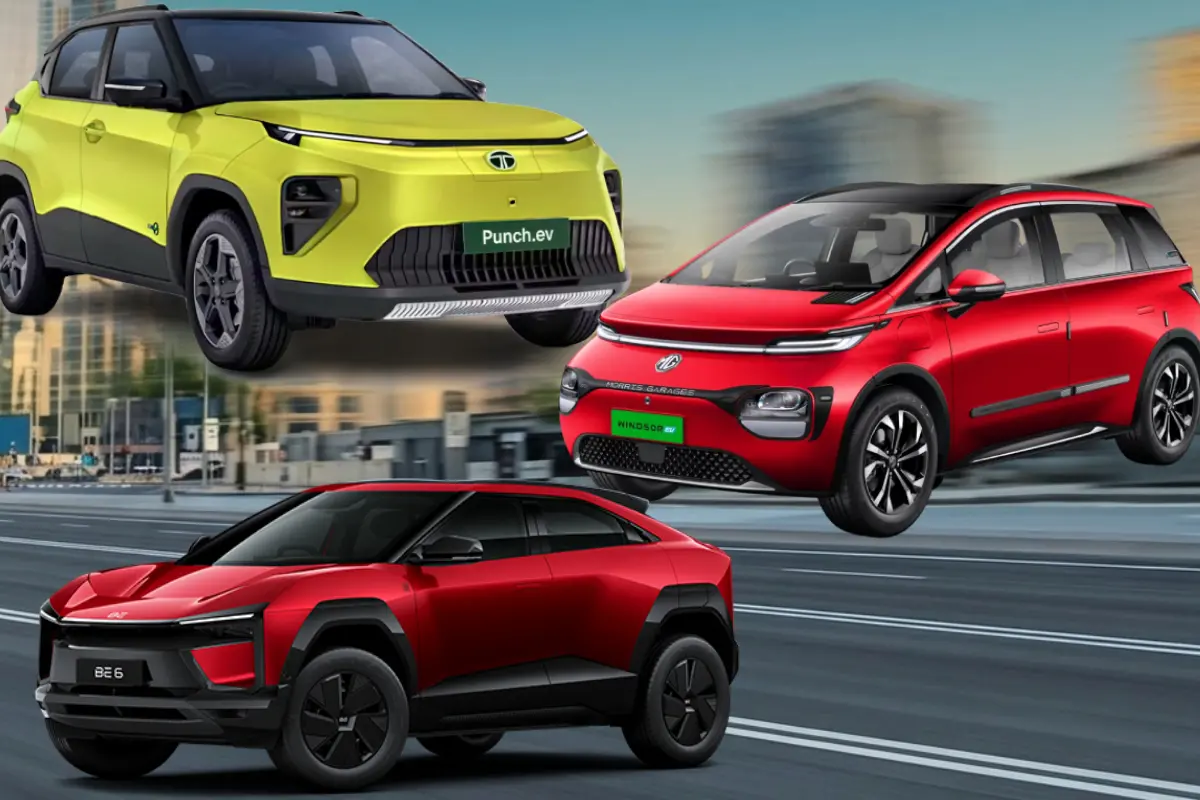
Kochi: Kerala's electric vehicle transition presents a stark dichotomy of individual enthusiasm and commercial stagnation. According to NITI Aayog’s ‘India Electric Mobility Index (IEMI) 2025’ report, the state has achieved top national ranking in personal EV adoption, yet falls drastically behind in transitioning its broader commercial transport sector.
In the personal vehicle category, encompassing electric two-wheelers and passenger cars, Kerala scored a perfect 100 points, securing the 1st position nationwide with a 12.3% adoption rate in 2025.
Lack of incentives stifles commercial transition
Despite stellar consumer performance, Kerala faltered in commercial transport electrification, scoring a dismal 30 points with an adoption rate of just 9%. The report highlights the absence of targeted financial cushions such as dedicated state subsidies, low-interest credit facilities and concessions on permits and insurance as primary deterrents preventing commercial operators from absorbing upfront costs.
Due to these commercial hurdles, Kerala ranks 20th nationally in overall transport electrification progress, scoring 36 out of 100 points. Delhi leads the country with 77 points, while neighbouring southern states Karnataka (55 points, 7th rank) and Tamil Nadu (48 points, 12th rank) comfortably outperform Kerala.
Policy push needed for research and infrastructure
The NITI Aayog index also evaluated states across secondary e-mobility metrics. Kerala secured 12th position in charging infrastructure deployment with 55 points, but managed only 24th rank in research and development with 29 points.
The findings underscore the urgent requirement for a comprehensive green energy and EV policy in Kerala. To sustain momentum beyond personal vehicles, targeted government intervention and structural fiscal incentives will be vital to accelerate commercial fleet conversion.