Japanese tourists who exposed buttocks at Great Wall of China deported
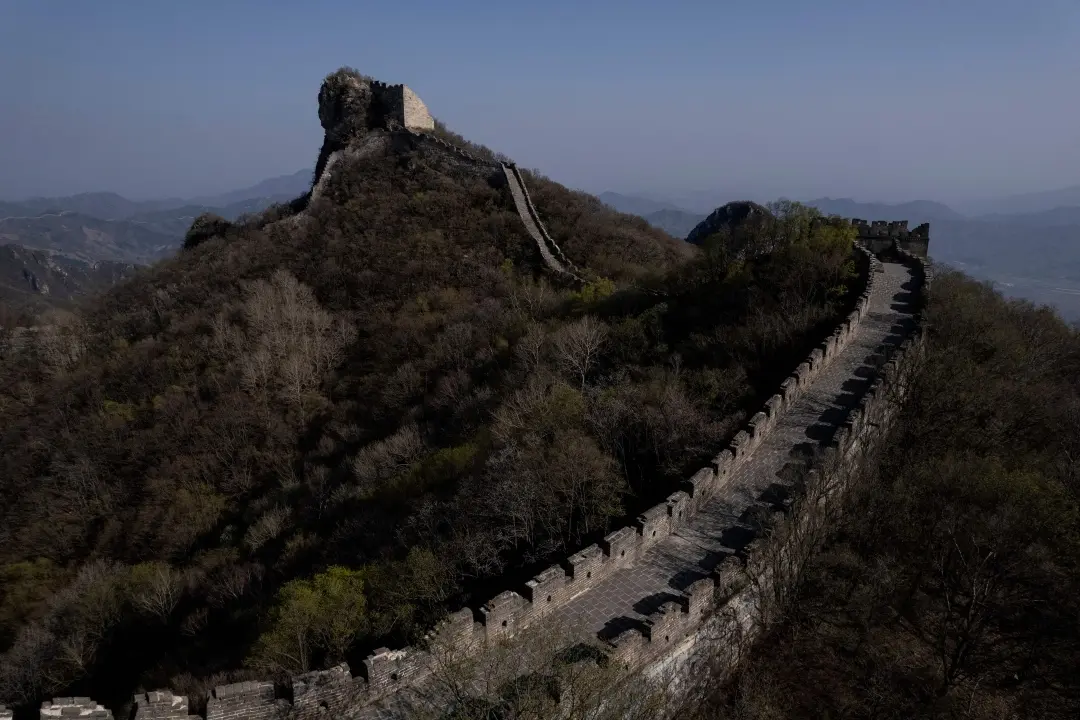
Tokyo: Two Japanese tourists in their 20s were detained for two weeks in China and later deported for taking inappropriate photos at the Great Wall, according to local media reports.
The incident occurred at the UNESCO World Heritage site near Beijing and involved a man who exposed his buttocks while a woman took photographs. Reports from Japanese media, highlighted that the pair were detained on the spot by security guards.
Tokyo’s foreign ministry confirmed the detention, stating, “The Embassy of Japan in China confirmed on January 3 that two Japanese nationals were detained by local authorities at the Great Wall.”
Following their detention, the ministry added, “They were subsequently released and returned to Japan during January.” The Japanese embassy in Beijing has not responded to requests for further comments.
Legal consequences and public backlash
According to reports, exposing the lower half of the body in a public place is illegal under Chinese law. The tourists reportedly explained to the Japanese embassy that their actions were intended as a prank.
The reports have sparked outrage in China, where historical tensions with Japan still evoke strong emotions.
On the Chinese social media platform Weibo, a hashtag translating to “Japanese man and woman detained for indecent behaviour at the Great Wall” garnered over 60 million views by Friday morning.
Many of the most-liked comments condemned the tourists, with some using hostile language toward Japanese people. Chinese actor Chen Yitian, who has over seven million followers, wrote, “Shameful things on my Great Wall.”
Some users went as far as to suggest that China should ban all Japanese visitors.
Historical sensitivities
The backlash also reflects long-standing resentment over Japan’s colonial occupation of China in the 1930s and 1940s. Many Chinese citizens continue to hold strong feelings about past atrocities committed during that period, contributing to the severity of the public reaction.
AFP