Shigeru Ishiba to resign as Japan PM after election setback, say reports
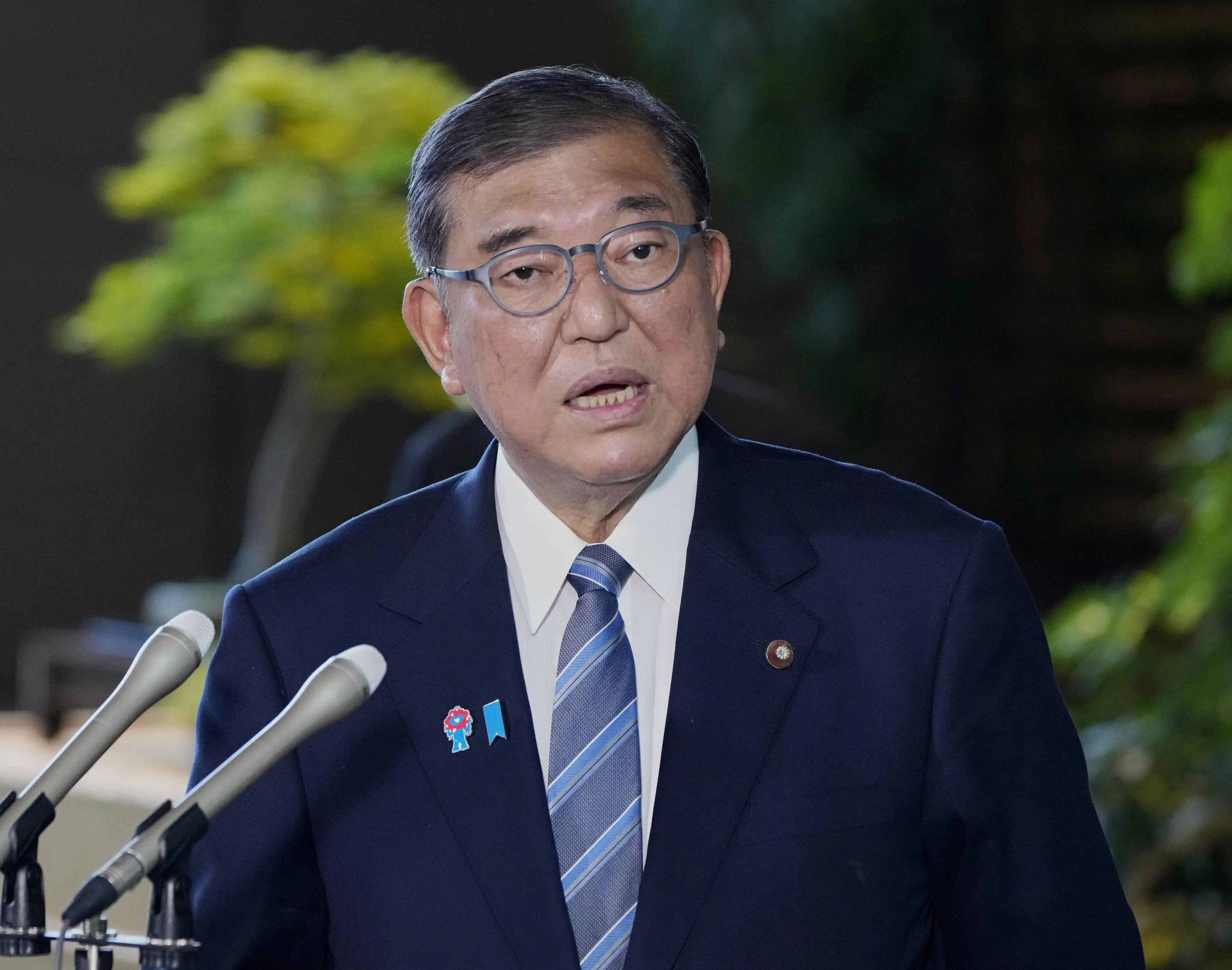
Tokyo: Japanese Prime Minister Shigeru Ishiba is reportedly planning to resign after suffering a major setback in the latest parliamentary elections. According to local media outlets, Ishiba has conveyed his decision to close aides after his coalition failed to secure a majority in the upper house.
The reports of his planned resignation emerged shortly after the announcement of a new US-Japan trade deal on Wednesday. While no official statement has been made by the Prime Minister’s Office, speculation is mounting that Ishiba will formally step down in the coming days.
Ishiba, who took office in late 2024, faced growing domestic dissatisfaction amid economic stagnation, contentious reforms, and challenges in foreign policy. The latest election results have been interpreted as a clear public rebuke of his leadership.
India-Japan maritime partnership deepens amid political uncertainty
Amid the political turbulence in Tokyo, India and Japan continue to strengthen bilateral ties, particularly in the maritime domain.
On Tuesday, a seminar titled “IPOI: India-Japan Partnership in Maritime Connectivity” was held at the Indian Embassy in Tokyo. Indian Ambassador Sibi George delivered the inaugural address, followed by insights from key figures such as Japan’s former Defence Minister and MP Minoru Kihara, India’s Secretary (East) P. Kumaran, and Japan’s Foreign Affairs Director General Shingo Miyamoto.
The event focused on bolstering connectivity in the Indo-Pacific region through joint maritime efforts and infrastructure initiatives. The Indian Embassy later posted updates from the seminar on social media platform X.
On the sidelines, Ambassador George also met top Japanese lawmakers, including Yasutoshi Nishimura and Minoru Kihara, to discuss ways to advance the India-Japan Special Strategic and Global Partnership.
These efforts build on recent diplomatic momentum. Last month, Union Minister Sarbananda Sonowal met Japan’s Vice Minister for International Affairs in Oslo to expand maritime cooperation. Key topics included Japanese investments in Indian shipyards, green ports, seafarer training, and developing island territories such as the Andaman & Nicobar and Lakshadweep into smart, resilient hubs.
In the wake of the April 2025 Pahalgam terror attack, Prime Minister Ishiba had personally called PM Modi to express solidarity — a reflection of the nations’ close diplomatic alignment.
High-level engagements between the two countries continue, including meetings at ASEAN summits, the 17th Foreign Ministers’ Dialogue, and the 3rd India-Japan 2+2 Ministerial Dialogue in 2024. These engagements underscore India and Japan’s shared focus on regional peace, maritime security, and sustainable growth in the Indo-Pacific.
(With AFP inputs)