Prophecies, panic, and a $2 trillion risk: Japan rushes to revise ‘megaquake’ plan
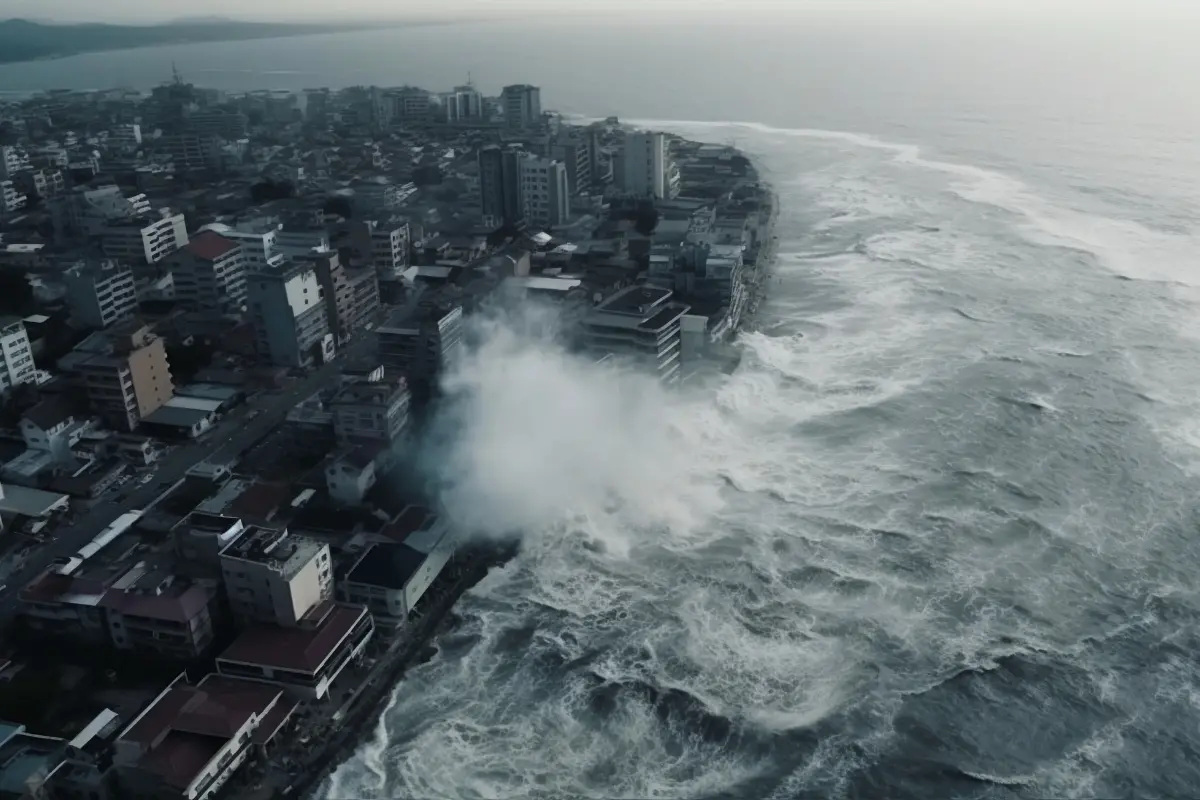
Tokyo: With fears mounting over a possible “megaquake” that could devastate Japan’s Pacific coast, the government has acknowledged that existing preparedness efforts fall short — prompting an urgent overhaul of its disaster response strategy.
The country is on high alert following recent scientific assessments and a resurgence of doomsday predictions, including a reissued manga that claims catastrophe will strike on 5 July 2025.
While authorities have stressed that earthquakes remain unpredictable, officials are pushing ahead with updated measures after revealing that steps taken so far would only reduce a potential death toll by 20 percent — far below the 80 percent reduction targeted in a 2014 preparedness plan.
According to new government estimates released in March, a massive quake in the Nankai Trough region — an 800-kilometre undersea fault line along the Pacific coast — could trigger a tsunami and leave as many as 298,000 people dead, with economic damage soaring up to $2 trillion.
The Nankai Trough, where one tectonic plate is gradually slipping under another, has a long history of generating devastating quakes roughly every 100 to 200 years. The last major event in the region occurred in 1946. In January, a government panel increased the probability of a major jolt occurring there within the next 30 years to between 75 and 82 percent.
As panic spreads through online rumours and unfounded social media warnings, some foreign tourists are reconsidering travel to Japan. A local tourism official noted in May that “demand has rapidly decreased,” especially among visitors from Hong Kong. Greater Bay Airlines even reduced flights to Japan due to plummeting interest. Official data showed arrivals from Hong Kong dropped 11.2 percent in May compared to the previous year, though visitors from mainland China and South Korea surged by 44.8 percent and 11.8 percent respectively.
The public anxiety has been further fuelled by a manga series that resurfaced in 2021, ominously predicting a disaster on 5 July 2025 — a date now looming large in the public consciousness.
Despite the fears, experts caution against baseless speculation. “It is impossible with current science to predict earthquakes by specifying the location, time, and magnitude of an earthquake, and to say that an earthquake will or will not occur,” said Ryoichi Nomura, head of the Japan Meteorological Association (JMA), in May. “We ask the public to take certain steps so that you can cope with earthquakes no matter when they occur. But we also strongly urge the public not make irrational actions driven by anxiety.”
In response to the looming threat, the Japanese government on Tuesday released an updated disaster preparedness plan that calls for accelerated construction of embankments and tsunami-resistant evacuation shelters, along with regular nationwide drills aimed at improving readiness.
“It is necessary for the nation, municipalities, companies and non-profits to come together and take measures in order to save as many lives as possible,” Prime Minister Shigeru Ishiba told a government meeting, according to local media.
Although an advisory issued by the JMA last August suggested a heightened risk of a major quake, it was withdrawn after a week, underscoring the unpredictable nature of seismic events.
(With inputs from AFP)