Japan’s snap election: Five things to know ahead of the February 8 vote
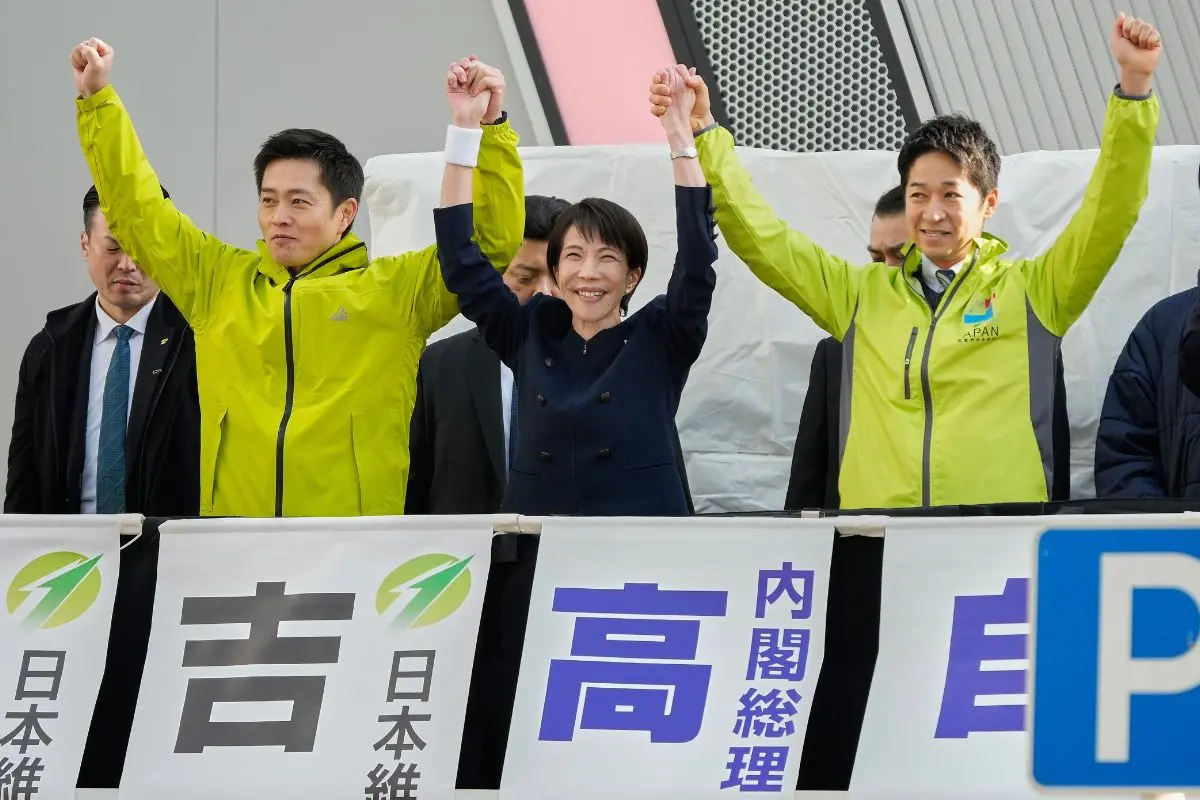
Official campaigning got under way in Japan on Tuesday ahead of a snap general election on February 8, with Prime Minister Sanae Takaichi staking her political future on the outcome.
Here are five key things to know about the high-stakes vote.
1. A record-short campaign period
Japan’s lower house of parliament was dissolved just 16 days before polling day — the shortest gap between dissolution and election in the postwar era. While campaign posters are up and loudspeaker vans are criss-crossing cities, analysts say the compressed timeline is unlikely to sway many voters, given the lack of major policy differences between parties.
2. Takaichi’s popularity is slipping
Appointed in October as Japan’s first woman prime minister, Takaichi is seeking a fresh mandate to stabilise her Liberal Democratic Party (LDP), which holds only a narrow majority. She has said she will resign if her coalition fails to retain power. Although approval ratings remain relatively high, support has dipped from 75 per cent in December to 67 per cent, according to a Nikkei poll.
3. A fragmented but united opposition
Opposition parties are attempting to mount a coordinated challenge. The Constitutional Democratic Party and the Buddhist Komeito party have formed a “Centrist Reform Alliance” to take on the LDP and its coalition partner, the Japan Innovation Party. Analysts say the race could be closer than usual, though the opposition still faces long odds.
4. Inflation dominates the campaign
Rising living costs remain a major voter concern. Takaichi has pledged a $135 billion stimulus package and a two-year exemption from consumption tax on food. Critics warn the measures could worsen Japan’s already heavy debt burden, and more than half of respondents in a recent Nikkei poll said the tax cut would not effectively curb inflation.
5. Immigration and foreign policy in focus
Immigration, though limited by global standards, has emerged as a political issue following gains by the anti-immigration Sanseito party. Takaichi has promised tougher enforcement against illegal stays. On foreign policy, her hardline stance on China — particularly comments suggesting Japan could intervene if China attacked Taiwan — has strained relations with Beijing, raising concerns over economic retaliation.