Israeli PM Netanyahu to speak at UN as Gaza war draws rising international criticism
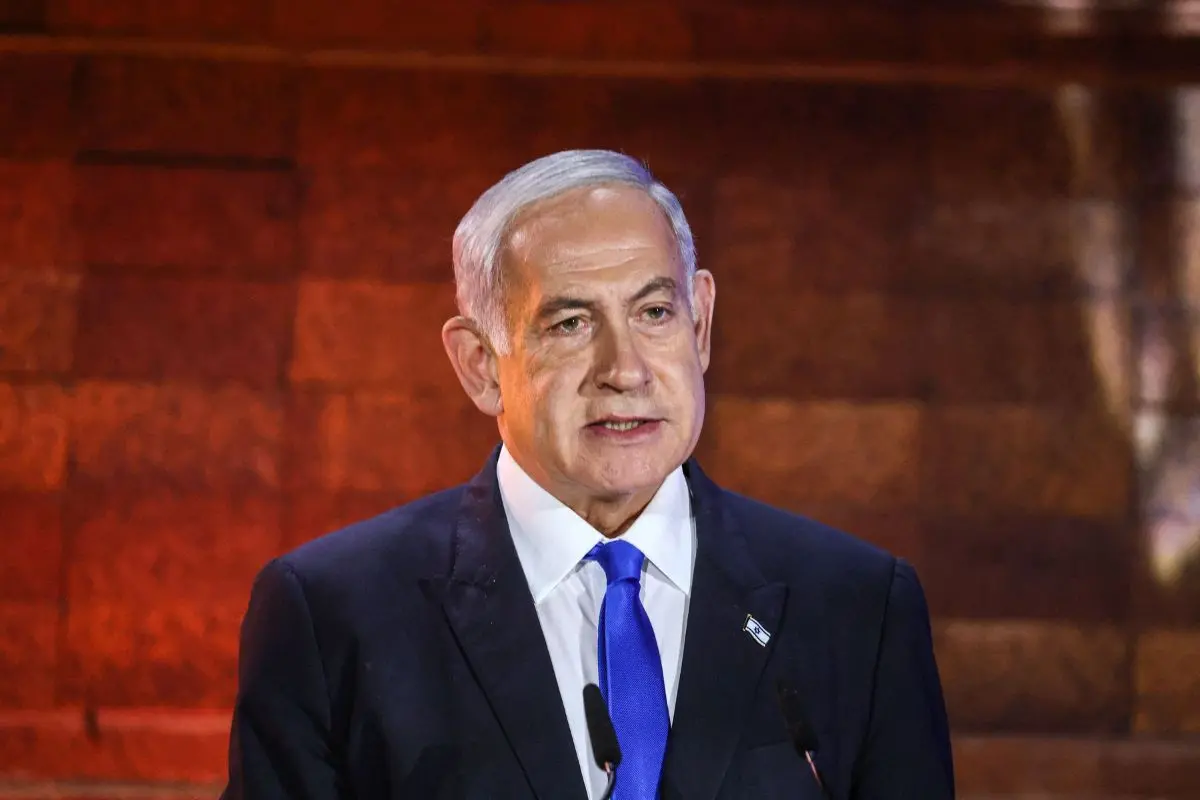
United Nations: Facing mounting international criticism, growing isolation and an arrest warrant for alleged war crimes, Israeli Prime Minister Benjamin Netanyahu is set to speak at the United Nations General Assembly on Friday, in what is shaping up to be one of his most important addresses in years.
Netanyahu’s annual UN speech is traditionally a high-profile occasion, often marked by defiance and dramatic statements. This year, the stakes are higher than ever, with Israel confronting intensifying global condemnation over its military campaign in Gaza and escalating diplomatic pressure.
Rising global pressure
In recent days, countries including Australia, Canada, France and the United Kingdom have officially recognised an independent Palestinian state, while the European Union is considering tariffs and sanctions on Israel. Earlier this month, the UN General Assembly passed a nonbinding resolution calling on Israel to commit to establishing a Palestinian state — a proposal Netanyahu has dismissed as a “non-starter.”
Compounding the diplomatic challenges, the International Criminal Court has issued an arrest warrant accusing Netanyahu of crimes against humanity, a charge he denies. The UN’s highest court is also reviewing a genocide allegation filed by South Africa against Israel over its actions in Gaza. Israel has strongly refuted the claim.
Netanyahu’s defiance
As he prepared to depart Israel for New York on Thursday, Netanyahu expressed determination to defend his government’s position. “I will tell our truth,” he said. “I will condemn those leaders who, instead of condemning the murderers, rapists and burners of children, want to give them a state in the heart of Israel.”
The speech comes after a special UN session this week in which more than 150 nations expressed outrage at Hamas’s October 2023 attack that killed about 1,200 Israelis, took 251 hostages and ignited the ongoing war. Many countries called for an immediate ceasefire and humanitarian aid access to Gaza.
Since Israel launched its offensive, more than 65,000 Palestinians have been killed and roughly 90% of Gaza’s population displaced, with severe shortages of food and essential supplies.
Divided international response
While most of the world has expressed concern over Israel’s actions, the United States has maintained strong support for Netanyahu, though President Donald Trump indicated limits to that backing. Speaking in Washington, Trump said he would not permit Israel to annex the occupied West Bank — a move some in Netanyahu’s government have advocated. Israel has not formally announced such plans, but recently approved a controversial settlement project critics say would divide the West Bank and undermine the prospect of a Palestinian state.
Trump and Netanyahu are scheduled to meet during the Prime Minister’s visit to New York.
Palestinian leadership responds
Netanyahu’s address follows remarks earlier Thursday from Palestinian Authority President Mahmoud Abbas, who spoke to the UN via video after being denied a U.S. visa. Abbas welcomed the recognition of Palestinian statehood by several nations but urged further action.
“The time has come for the international community to do right by the Palestinian people" and help them realise “their legitimate rights to be rid of the occupation and to not remain a hostage to the temperament of Israeli politics,” Abbas said.
The Palestinians seek all of the West Bank, east Jerusalem and Gaza to form their future state — the basis of the long-standing “two-state solution” supported by the international community. Netanyahu remains strongly opposed. “This will not happen,” he said Thursday at the airport.
Historical context
Israel captured the West Bank, east Jerusalem and Gaza in the 1967 Middle East war, later withdrawing from Gaza in 2005. Hamas, which won elections in Gaza in 2006, took full control there in 2007, sidelining Abbas’ authority.
(With inputs from AP)