Israel–Lebanon negotiations tonight mark rare diplomatic opening in decades-long conflict
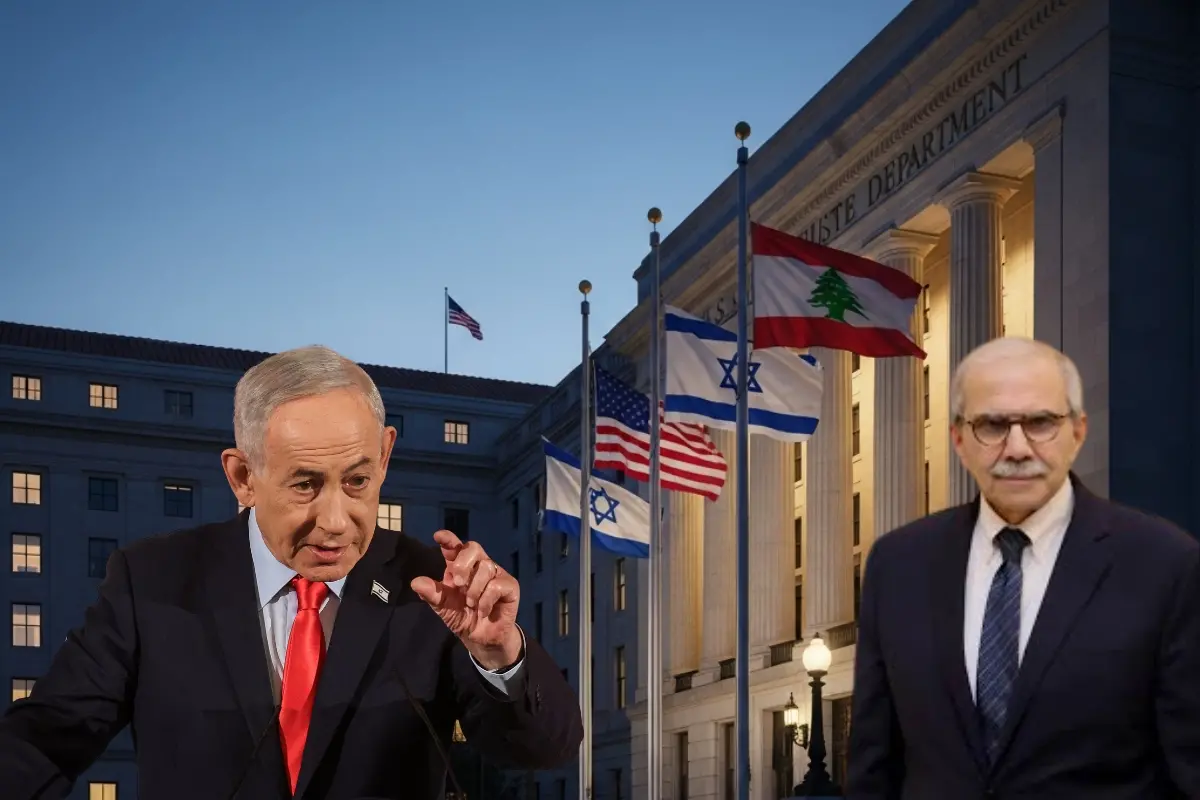
Jerusalem: Israel and Lebanon are preparing for their first high-level direct diplomatic engagement in over 30 years, as fighting continues along the southern Lebanon border.
The meeting is scheduled to take place at the US State Department and will be hosted by US Secretary of State Marco Rubio.
The talks bring together Israeli Ambassador Yechiel Leiter and Lebanese Ambassador Nada Hamadeh, alongside senior US officials. This marks the most direct diplomatic contact between the two countries since the early 1990s, following the period of conflict linked to Operation Accountability in 1993.
Conflict backdrop: Israel–Hezbollah escalation
The diplomatic effort comes amid intensifying clashes between Israel and Hezbollah, with Israeli forces conducting ground operations in southern Lebanon and Hezbollah launching rocket and drone attacks into northern Israel.
The ongoing fighting has resulted in significant casualties and displacement on both sides, particularly in southern Lebanon, where entire communities have been forced to evacuate due to continued strikes and artillery fire.
Agenda: Ceasefire and long-term security
According to reports, the agenda for the talks includes an immediate ceasefire, discussions on reducing hostilities, and longer-term security arrangements along Israel’s northern border.
A key focus is also expected to be Hezbollah’s military capabilities and the broader question of disarmament, which remains one of the most contentious issues in any potential settlement.
A US official was quoted as saying the aim is to ensure “long-term security of Israel’s northern border” while also supporting Lebanon’s sovereignty and territorial control.
Political pressure and shifting positions
The talks reportedly come after sustained diplomatic pressure from the United States, with Washington pushing both sides toward de-escalation. Israeli Prime Minister Benjamin Netanyahu initially resisted direct engagement with Lebanon but later agreed to participate.
Ahead of the meeting, the US and Lebanese officials have urged Israel to reduce military operations, although strikes and ground offensives have continued in key areas such as Bint Jbeil, a Hezbollah stronghold.
Heavily polarised positions on the ground
Despite diplomatic movement, both sides remain firm in their positions. Israel has vowed to continue military operations until Hezbollah is pushed back from its border positions, while Hezbollah has stated it will not stop attacks unless Israeli operations end.
The group has also rejected calls for disarmament, making any long-term agreement extremely difficult despite renewed diplomatic engagement.
Historical context: echoes of 1993 conflict
The last major reference point for direct tensions is Israel’s 1993 Operation Accountability, which involved heavy strikes in southern Lebanon and large-scale displacement of civilians.
The United States later brokered an informal understanding aimed at limiting attacks on civilians and confining military action to designated zones, but the underlying conflict between Israel and Hezbollah has persisted for decades.
While the talks are not expected to immediately end the conflict, they represent a rare diplomatic opening between two countries that have had limited direct engagement for decades. The outcome will likely depend on whether both sides can agree on a framework for de-escalation in one of the region’s most volatile conflicts.