Netanyahu warns ‘no life insurance’ for Iran’s leader Mojtaba Khamenei
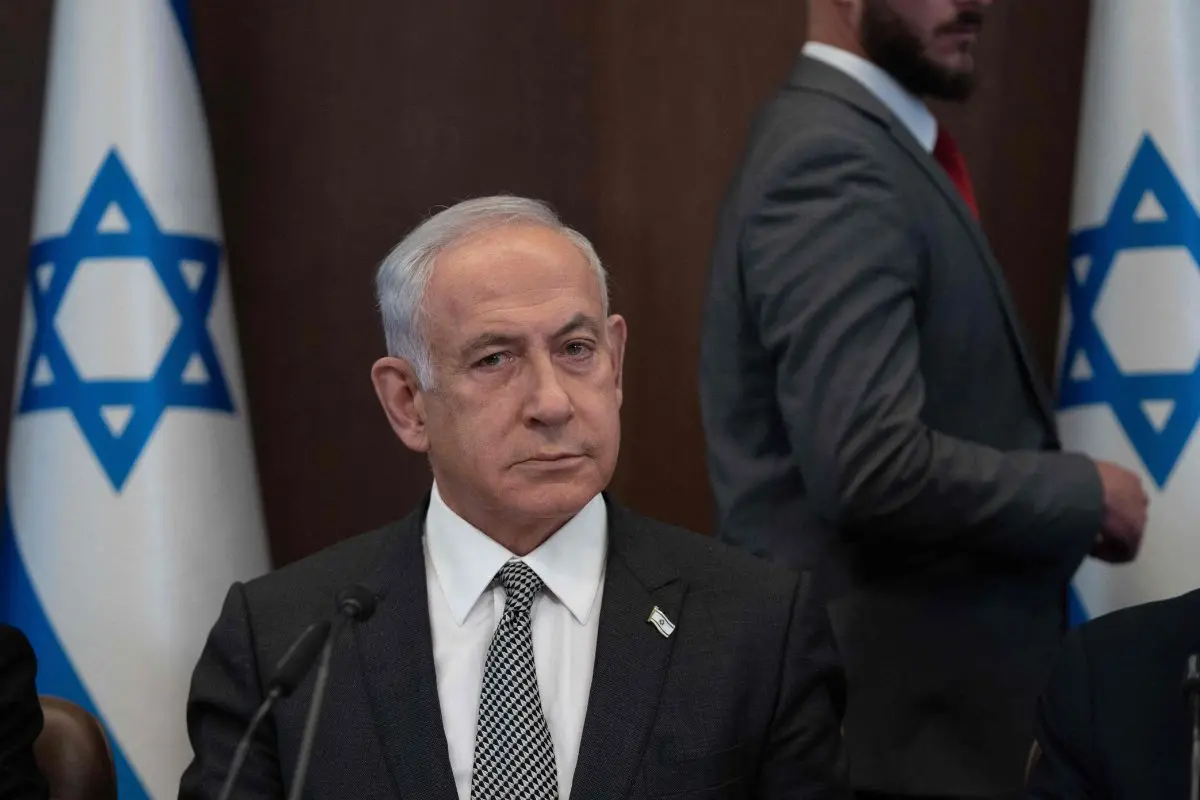
Jerusalem: Israeli Prime Minister Benjamin Netanyahu said Israeli attacks have killed several senior Iranian nuclear scientists as part of ongoing military operations against Iran.
Speaking at a press conference on Thursday night, Netanyahu also issued a warning about Iran’s new Supreme Leader, Mojtaba Khamenei, saying there was “no life insurance” for leaders of what he called terrorist organisations.
Netanyahu described Mojtaba Khamenei as a “puppet of the Revolutionary Guards” and claimed the Iranian leader could not appear in public due to security concerns. Addressing the Iranian public during the briefing, the Israeli prime minister urged them to seek a “new path of freedom” and said Israel stands with the people of Iran.
Israel claims campaign exceeding expectations
Netanyahu said the joint military campaign by the United States and Israel against Iran was progressing better than expected. According to him, Israeli forces were delivering “crushing blows” to the Islamic Revolutionary Guard Corps and the Basij militia, both considered key pillars of Iran’s security structure.
He added that Israeli operations were continuing across multiple fronts and insisted that Israel was “stronger than ever” as the conflict entered its second week.
When asked whether Israel might directly target Iran’s new Supreme Leader or Hezbollah chief Naem Qassem, Netanyahu responded that he would not “take out a life insurance policy on any of the leaders of the terror organisations.”
The comments come after the death of Iran’s longtime Supreme Leader Ayatollah Ali Khamenei, who was killed in joint US-Israel strikes on February 28. Following his death, Iran named his son Mojtaba Khamenei as the country’s new supreme leader.
The leadership change has added a new dimension to the escalating conflict between Iran and Israel, which has drawn global attention due to its potential impact on regional security and global energy supplies.
Iran issues warning over Strait of Hormuz
In his first public statement as Iran’s new leader, Mojtaba Khamenei warned the United States and its allies that Iran would avenge the deaths of those killed in the conflict. He also threatened action against American military bases in the Middle East.
Khamenei further said that the Strait of Hormuz, one of the world’s most critical oil shipping routes, would remain closed as part of Iran’s strategy to pressure the United States. Nearly 20 per cent of global oil supplies pass through the narrow waterway each day.
He also warned Gulf countries not to allow their territories to be used for US military operations against Iran.
Conflict enters second week
The ongoing war between Israel, the United States and Iran has now entered its second week. Iran claims that nearly 10,000 civilian locations have been bombed since the conflict began and says more than 1,300 civilians have been killed.
Israel launched its campaign against Iran on February 28 under the name “Roaring Lion,” targeting Iran’s nuclear and missile programmes. The United States later joined the operation under the name “Epic Fury.”
Both countries say the objective of the campaign is to eliminate Iran’s nuclear capabilities, dismantle its missile programme and weaken regional groups aligned with Tehran.
As military operations continue, tensions across the Middle East remain high. The possibility of prolonged conflict has raised concerns about wider regional instability and disruptions to global energy supplies, particularly if the Strait of Hormuz remains closed.
The situation remains fluid, with both sides issuing strong warnings and signalling that the confrontation could intensify in the coming days.