Israel hits Beirut again as mediators race to secure US-Iran deal
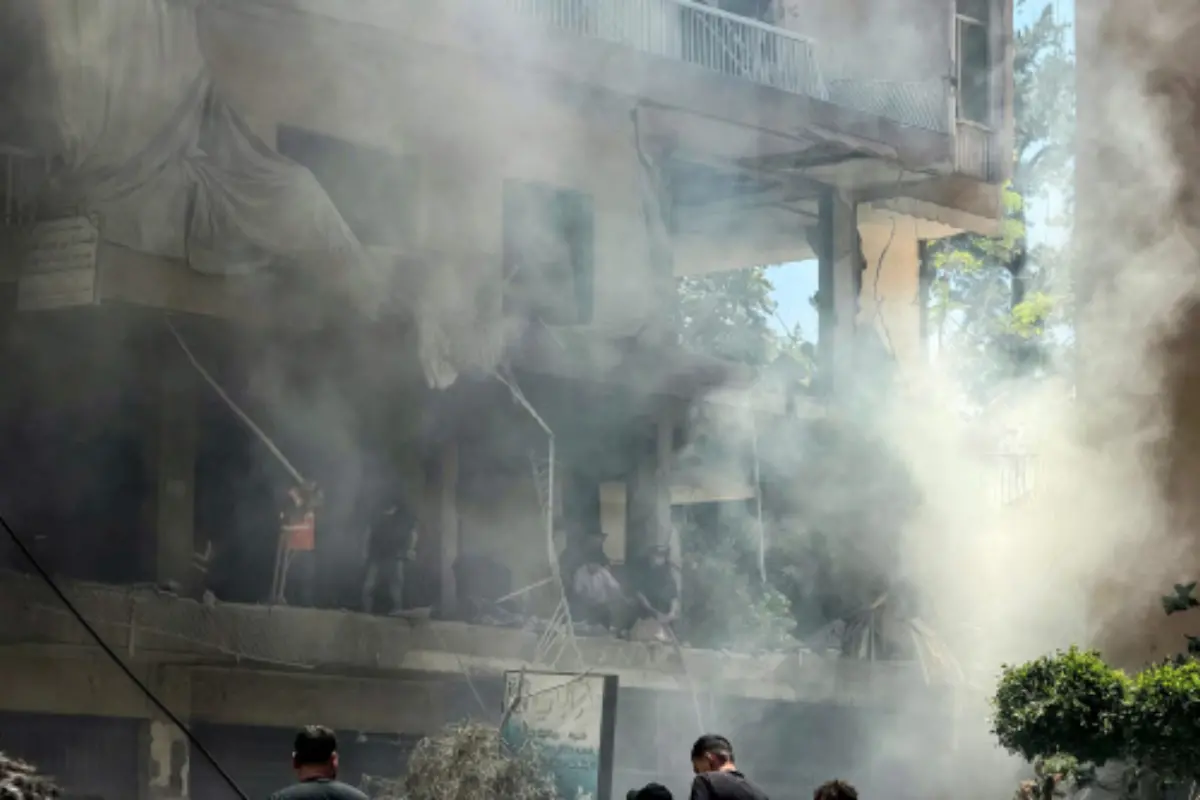
Fresh Israeli strikes on Beirut on Sunday threatened to derail fragile diplomatic efforts to end the US-Iran war, raising fresh questions over whether a ceasefire deal can survive the widening regional conflict.
Smoke billowed over Lebanon's capital on Sunday after Israeli forces carried out strikes targeting what they described as Hezbollah infrastructure in Beirut. The operation came as regional mediators raced to secure a US-Iran ceasefire deal after months of conflict that have destabilised the region and rattled global markets.
Israel said the strikes were carried out in response to attacks originating from Lebanon. The Israeli military said three projectiles were launched towards northern Israel earlier in the day, while two drones crossed into Israeli territory near the Lebanese border. No injuries were reported.
Prime Minister Benjamin Netanyahu's office said the operation targeted Hezbollah positions in response to those attacks.
The latest bombardment marks another setback for efforts to preserve the fragile ceasefire that had largely held since April 7. Israel had previously struck Beirut's southern suburbs just a week earlier, triggering the most serious flare-up since the truce took effect.
The renewed violence comes despite intensified diplomatic efforts involving the United States, Iran and regional intermediaries. Negotiators have been attempting to finalise a framework agreement that could halt direct hostilities between Washington and Tehran following months of conflict.
Two regional officials familiar with the talks said Qatari representatives travelled to Tehran on Sunday to help conclude negotiations.
Israeli officials have long argued that any agreement should address Iran's missile programme, its support for regional proxy groups and concerns surrounding its nuclear activities. The emerging framework, as currently understood, does not appear to offer firm commitments on those fronts.
Iran has pushed for the arrangement to address fighting in Lebanon as part of a broader regional de-escalation. Tehran has also sought access to billions of dollars in frozen assets held abroad.
The roots of the current crisis stretch back several months. Hezbollah launched missile attacks against Israel on March 2, shortly after US and Israeli military action against Iranian targets triggered a wider confrontation. Since then, Israeli forces have expanded military operations deeper into Lebanese territory than at any point in more than two decades.
US President Donald Trump and Pakistani Prime Minister Shehbaz Sharif both indicated on Saturday that the agreement could be finalised as early as Sunday. Iranian Foreign Ministry spokesperson Esmail Baghaei, meanwhile, suggested that an announcement could come within days.
Although officials expect the deal to be signed electronically rather than through a public ceremony, uncertainty remains over both the timeline and the substance of the agreement.
With AP inputs