Pakistan, China no more 'all-weather' friends? There's an Afghan angle
Amid eroding influence over the Taliban regime, Pakistan's Inter-Services Intelligence (ISI) is orchestrating sabotage against burgeoning Chinese investments in Afghanistan, particularly targeting the strategically vital Wakhan Corridor, intelligence sources reveal.
Pakistan's frustration stems from a rapid realignment in Afghan foreign policy. Afghanistan's foreign minister's recent visit to New Delhi underscored a thaw in India-Afghanistan ties, with agreements on enhanced trade and security cooperation.
This development has rattled Islamabad, which long viewed the Taliban as a pliable proxy. "The Taliban is charting an independent course, no longer beholden to Pakistani dictates," a senior Indian security official told IANS on condition of anonymity.
Compounding Pakistan's woes is Beijing's growing footprint in Afghanistan. China has pushed to integrate Kabul into the China-Pakistan Economic Corridor (CPEC) Phase 2.0, a move that blindsided Pakistani planners already grappling with economic turmoil. "Islamabad had no leverage to push back; its economy is in freefall," the official added.
Escalating Tensions at Wakhan Corridor
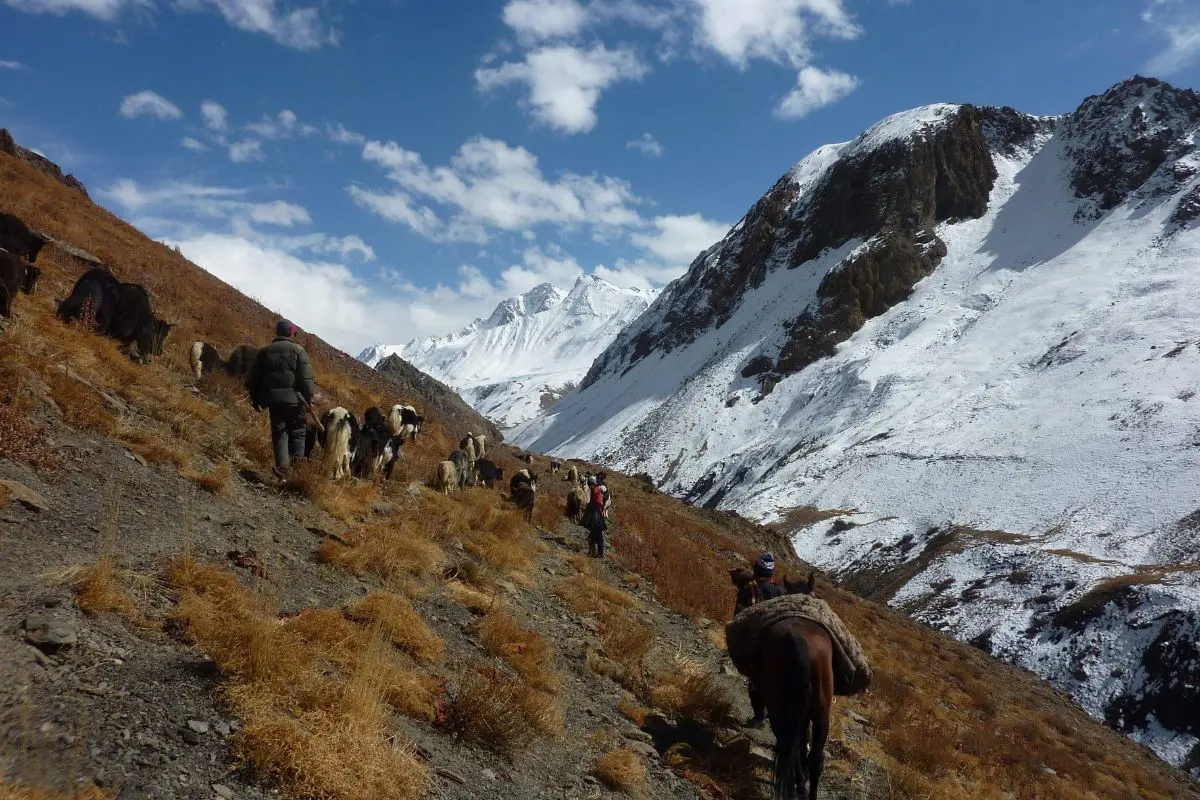
The ISI has mobilized specialized surveillance units along the Wakhan Corridor, a slender 200-km strip in northeastern Afghanistan bordering China to the east, Pakistan to the south, and Tajikistan to the north. For China, this corridor represents a direct gateway for trade routes into Central Asia, bypassing volatile Pakistani territory and unlocking Afghanistan's mineral wealth.
"Pakistan sees the corridor's activation as an existential threat to its regional leverage," noted a Pakistan watcher familiar with the dynamics. Chinese firms are eyeing infrastructure projects here, including roads and energy links, which could render Pakistan obsolete as a transit hub.
Diplomatic fallout has been swift. Ties between Islamabad and Kabul have crumbled into open hostility, with skirmishes escalating into what analysts describe as a proxy war. Pakistan has peddled unsubstantiated claims that India is arming the Taliban and stoking the Tehreek-e-Taliban Pakistan (TTP) and Balochistan Liberation Army (BLA) -- accusations New Delhi dismisses as disinformation.
Fracturing Sino-Pak Alliance
Pakistan's "all-weather" partnership with China is fraying. Beijing has grown wary after Islamabad's overtures to the United States, including a recent minerals deal that raised eyebrows in the Chinese capital. "China is questioning Pakistan's loyalty," the official said.
Chronic security lapses along CPEC routes in Balochistan have fueled mistrust. Local insurgents decry resource exploitation without local benefits, repeatedly targeting Chinese workers and assets. "Beijing is furious; they've accused Pakistan of failing to protect investments," the source added. In response, China is pivoting to Afghanistan, where the Taliban has pledged openness to foreign capital – but on its own terms, rejecting external meddling.
ISI's Shadow Campaign
Intelligence indicates the ISI is deploying hit squads to derail Chinese advances, with the Wakhan Corridor as ground zero. "They're plotting large-scale strikes to instill fear and halt progress," the official warned. Any success for Beijing in Afghanistan would underscore Pakistan's diminishing clout.
To execute this, the ISI is reportedly enlisting the Islamic State Khorasan Province (ISKP), a terror group Pakistan has covertly backed against TTP and BLA foes. "ISKP shares ISI goals here – weakening the Taliban to seize control," experts say. For ISKP, which has failed to topple the regime, the corridor offers a high-value target.
ALSO READ | Pakistan ropes in ISIS-linked commander to unite terror groups against BLA: Report
The fallout could be dire: disrupted projects would breed insecurity, deterring Chinese investors and preserving Pakistan's transit monopoly. As one analyst put it, "This is ISI's desperate bid to claw back influence before it's too late."
India, meanwhile, watches closely, bolstering its Afghan outreach amid shared concerns over regional instability.