Truce in turmoil: Iran threatens to abandon ceasefire after massive Israeli strikes in Lebanon
Tehran: Iranian Foreign Minister Abbas Araghchi on Wednesday formally accused Israel of violating the newly brokered ceasefire between the United States and Iran, warning Pakistani mediators that Tehran may abandon the truce if strikes against Lebanon do not cease.
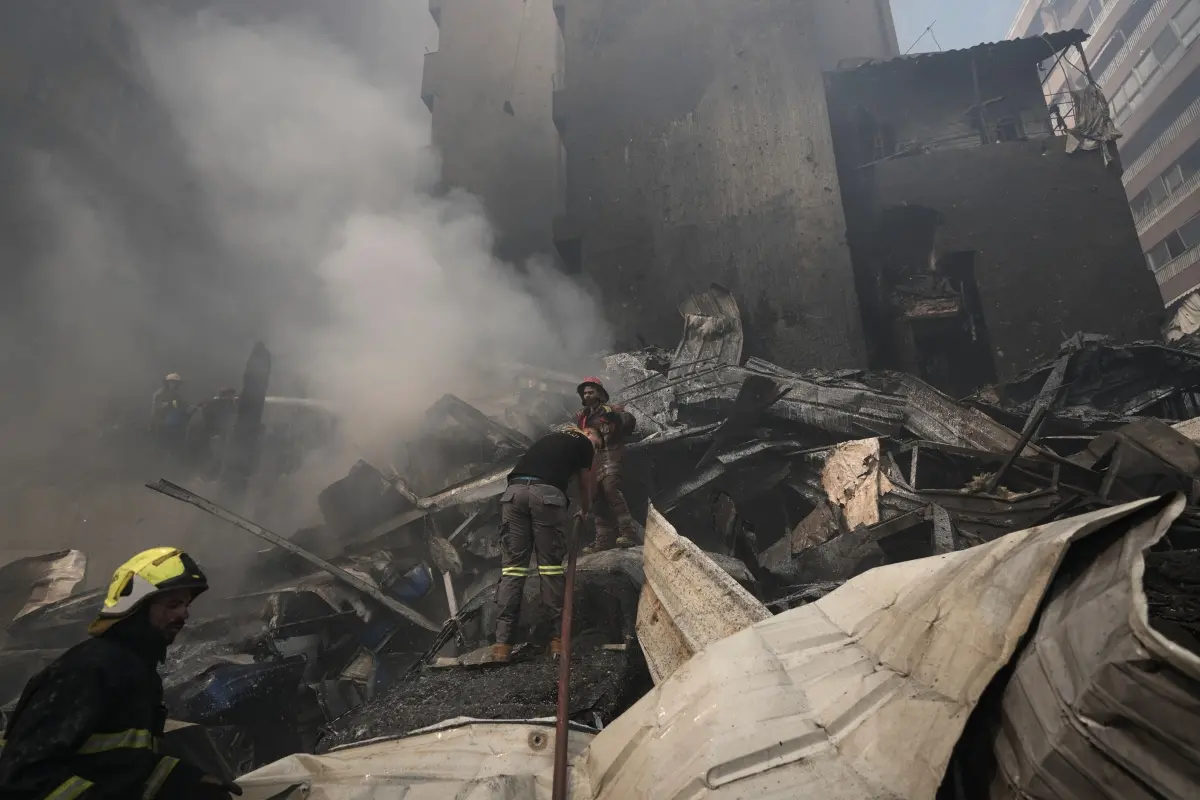
The diplomatic friction centres on a massive wave of Israeli aerial bombardments across Lebanon on Wednesday, which the Israeli military described as its "largest coordinated strike" of the conflict. While international mediators from Pakistan have asserted that the cessation of hostilities applies broadly to the region, Israeli officials have maintained that the agreement is limited strictly to the war with Iran.
Araghchi discussed the "Zionist regime's violations of the ceasefire in Iran and Lebanon" during a high-level telephone call with Field Marshal Asim Munir, the head of the Pakistani military, according to a statement from the Iranian Ministry of Foreign Affairs.
Threat of Withdrawal
The warning from Tehran follows reports from state-affiliated media suggesting that the Islamic Republic is prepared to resume military operations. The Tasnim news agency, quoting well-informed sources, stated that "Iran will withdraw from the agreement if Israel continues to violate the ceasefire in its attack on Lebanon."
The Iranian Revolutionary Guard Corps (IRGC) echoed this sentiment on social media, vowing to "punish Israel for the atrocities it has committed in Lebanon and violating ceasefire conditions."
An unnamed Iranian official, quoted by Al Jazeera, argued that the scope of the truce was intended to encompass the entire regional "axis of resistance," adding that "Israel is known for breaking promises and will only be deterred by bullets."
Conflicting Interpretations
The stability of the truce—brokered just hours earlier by President Donald Trump and Pakistani leadership—now hinges on conflicting definitions of its geographical boundaries.
- The Mediators' Stance: Pakistani Prime Minister Shehbaz Sharif, whose government is set to host U.S. and Iranian delegations for follow-up talks on Friday, insisted the ceasefire applies "everywhere," including Lebanon. Sharif acknowledged that violations "have been reported" and urged all parties to respect the agreement.
- The Israeli Stance: Prime Minister Benjamin Netanyahu’s office has clarified that the two-week pause "does not include Lebanon." On Wednesday, Israeli warplanes struck more than 100 targets in Beirut, southern Lebanon, and the Bekaa Valley within a 10-minute window, characterising the operation as a necessary defence against Hezbollah.
Escalating Tensions
The return to violence in Lebanon comes despite a reported pause in attacks by Hezbollah earlier on Wednesday. However, the intensity of the Israeli response has significantly strained the diplomatic track.
U.S. officials have yet to provide a definitive public clarification on whether the Lebanon theatre was formally included in the 15-point U.S. proposal accepted by Tehran. As both sides prepare for the upcoming summit in Islamabad, the "double-sided ceasefire" remains in a state of extreme fragility, with the risk of a full-scale regional resumption of war should the strikes continue.
With inputs from AFP