‘Very intensive’ talks with US underway: Iran signals diplomatic opening amid war tensions
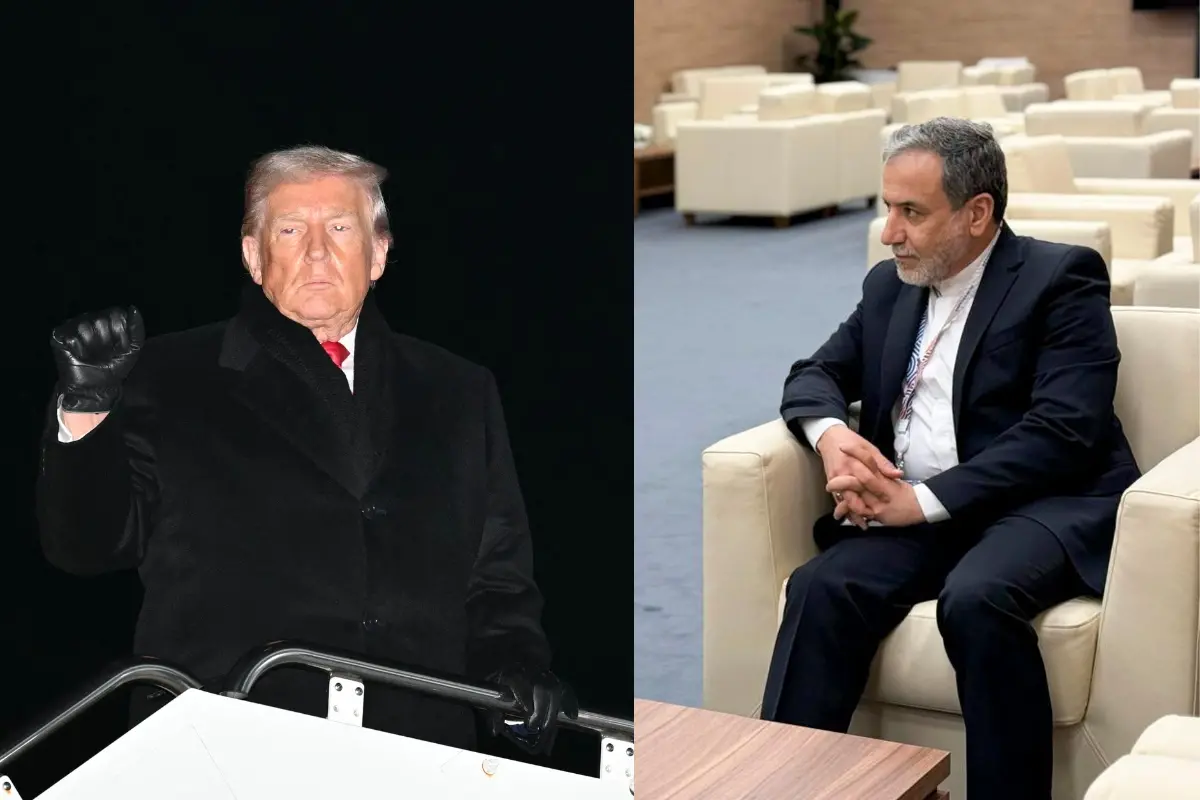
Tehran: Iranian Foreign Minister Abbas Araghchi said on Monday that indirect talks with the United States are underway through mediators Qatar and Pakistan, describing the discussions as "very intensive". The diplomatic efforts come amid rising tensions in the Middle East and warnings from both Tehran and Washington about the possibility of renewed military action.
Speaking in a video interview with Iran's state-run IRNA news agency, Araghchi said Qatar and Pakistan were playing an active role in the negotiations. He added that Iran was prepared to enter serious diplomatic discussions but would respond more forcefully if the United States launched another military operation.
Iran links reopening of Strait of Hormuz to US demands
Tehran has said it is willing to reopen the Strait of Hormuz and resume negotiations if Washington accepts its conditions. Araghchi indicated that restrictions on the strategic waterway would remain in place until Iran's demands were addressed.
The conditions reportedly include sanctions relief, the release of frozen Iranian assets, changes to the US military presence in the region and an agreement on shipping arrangements through the Strait of Hormuz.
The waterway is a critical international route for oil and gas shipments, connecting the Persian Gulf with the Gulf of Oman and the Arabian Sea. Any prolonged disruption could affect global energy supplies and international shipping.
China steps up diplomatic efforts
Meanwhile, China has intensified its diplomatic engagement with countries involved in the Middle East crisis. Chinese Foreign Minister Wang Yi held separate meetings in Beijing with Iranian and Saudi officials on Monday, urging a return to negotiations and warning against further military escalation.
During his meeting with Ali Bagheri Kani, deputy secretary of Iran's Supreme National Security Council, Wang said China supported Iran in safeguarding its sovereignty and security. He also called for a political solution that protects regional energy security and shipping routes.
Wang later met Saudi National Security Adviser Musaad bin Mohammad al-Aiban, where discussions focused on regional stability and the safety of maritime routes.
Chinese President Xi Jinping also met Oman's Sultan Haitham bin Tariq in Beijing. Xi said China was ready to contribute to peace and stability in the Middle East, adding that the region should not become a battleground for major-power rivalry.
China is also expected to send its Middle East envoy to Iran, Oman and Saudi Arabia later in November as part of efforts to promote negotiations and ease tensions.
Trump warns Iran as tensions continue
The diplomatic developments follow fresh warnings from US President Donald Trump. On Saturday, Trump said the United States had destroyed much of Iran's military capability but still had one or two targets to deal with.
Iran responded by warning that any renewed US military action would trigger a stronger response than before. The exchange has raised concerns about a possible escalation even as regional mediators continue their efforts to prevent another round of fighting.
The latest diplomatic activity comes more than eight months into the conflict, which began with US-Israeli strikes on Iran and has affected neighbouring countries and regional shipping.
The Strait of Hormuz is one of the world's most important routes for transporting oil and gas. It connects the Persian Gulf to the Gulf of Oman and the Arabian Sea, providing a major passage for energy exports from Gulf countries.
Any restrictions on shipping through the strait could disrupt international energy supplies, increase uncertainty in oil markets and affect countries that rely on imported fuel.
Iran's offer to reopen the waterway is therefore a significant part of the ongoing diplomatic discussions. However, differences over sanctions, military presence and regional security remain major obstacles to an agreement.