Trump’s Iran trap: Hormuz pressure grows as US weapons stocks face strain
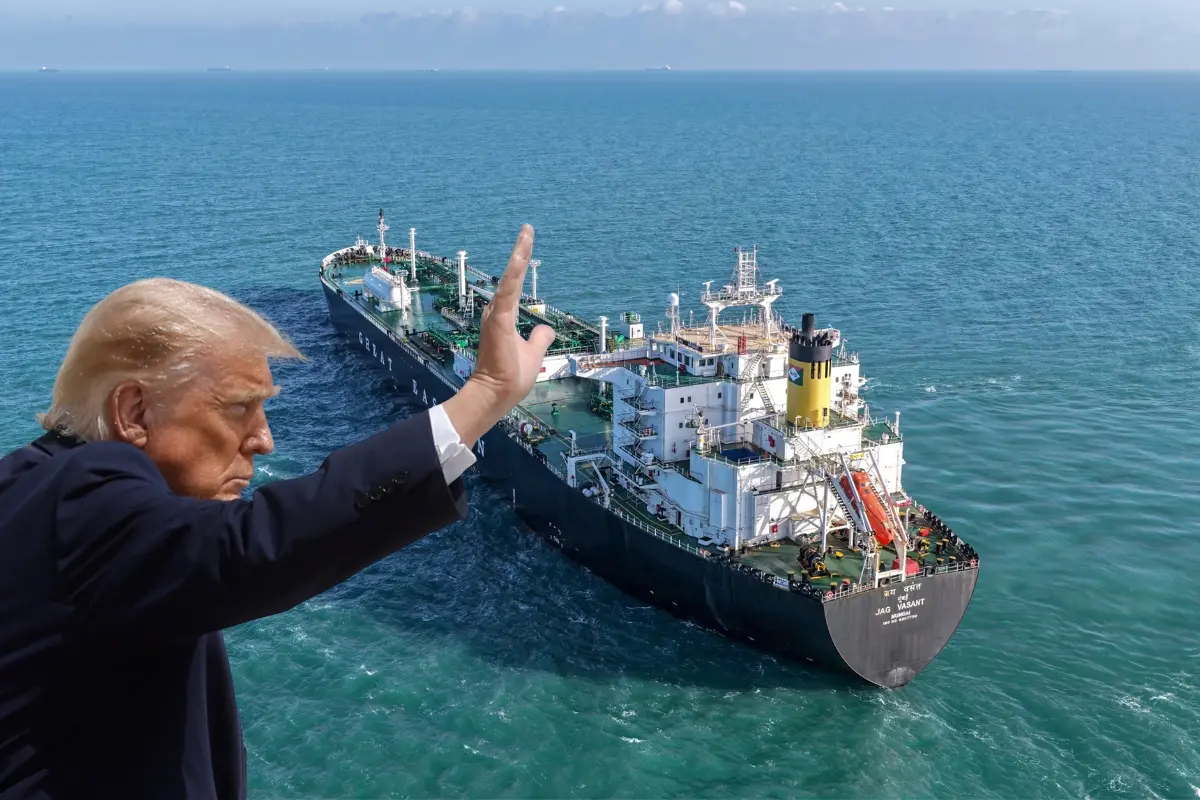
Tehran: Iran's leadership appears to be betting that continued pressure through the Strait of Hormuz will eventually force US President Donald Trump towards a settlement favourable to Tehran. The calculation is based partly on the pressure the conflict is placing on Washington, including concerns over weapons inventories, the political cost of a prolonged war and the impact of high energy prices.
But the strategy is also exposing Iran to serious risks. The country's economy has been battered by the conflict and US blockade, while inflation and pressure on oil exports have added to domestic difficulties. Analysts cited in the reports warn that prolonged economic stress could fuel renewed unrest.
Why Iran believes Trump is under pressure
Iranian officials and analysts argue that the United States faces several constraints.
The Strait of Hormuz is a critical global energy route, carrying roughly one-fifth of the world's traded oil and gas. Iran's ability to restrict shipping through the waterway has therefore created pressure well beyond the immediate region.
Tehran also believes Washington is facing pressure from the cost of continued military operations, declining stocks of some advanced weapons and the possibility of a wider regional conflict.
US military officials have reportedly warned about the limits of further escalation. CNN reported that Joint Chiefs Chairman Gen Dan Caine has urged senior officials to consider an “off-ramp” from the conflict, citing concerns about airpower, regional retaliation and weapons stocks.
Caine has also publicly said that “airpower has its limits”, reflecting the difficulty of using airstrikes alone to achieve a lasting political outcome.
Hormuz has become Iran’s biggest bargaining chip
Iran has repeatedly said the Strait of Hormuz will not simply return to its pre-war status and that ships attempting to pass without Iranian permission could face attack.
Iran says it is close to reaching an arrangement with Oman concerning management of the strait. Any such agreement would reportedly depend on the United States lifting its blockade and would therefore require Washington's approval.
The exact terms remain unclear, including whether Iran would be able to charge fees for passage.
Iranian analysts cited in the report say Tehran's primary objective is not necessarily revenue but formalising greater control or management of the strategic waterway.
Such an arrangement would represent a major strategic gain for Iran and a setback for the United States. It could also raise wider concerns about freedom of navigation and the precedent of a country asserting control over a major international trade route.
China has previously called for “normal and safe passage” through the Strait of Hormuz to be restored.
US military pressure has its own limits
The reported debate inside Washington highlights the difficulty of extending the war indefinitely.
According to reports cited by CNN and Reuters, the United States has used substantial quantities of long-range precision weapons and air-defence interceptors during the conflict.
The Centre for Strategic and International Studies has also warned that stocks of systems such as Patriot and THAAD interceptors have come under pressure and that replenishing some advanced weapons could take years.
The issue is not simply whether the US military can carry out additional strikes. Military officials reportedly believe the larger question is whether another bombing campaign would achieve Trump's political objectives.
Further attacks could damage more Iranian military infrastructure but could also trigger retaliation against US forces, regional allies or critical infrastructure.
That creates a difficult choice for Washington: continue escalating without a clear political endpoint or pursue diplomacy while maintaining military pressure.
Iran’s economic vulnerability
While Tehran sees the situation as giving it leverage, the conflict has inflicted significant damage on Iran's economy.
US and Israeli strikes have hit parts of Iran's industrial infrastructure, while the US blockade has restricted oil exports. The resulting pressure has compounded inflation and shortages.
The economic situation is particularly sensitive because Iran has already experienced major anti-government protests.
A currency crisis in December triggered some of the largest protests in the Islamic Republic's history, followed by a severe government crackdown.
The prospect of another wave of unrest is therefore an important concern for Iran's leadership.
Former foreign minister Mohammad Javad Zarif, who was involved in negotiating the 2015 nuclear agreement, recently argued that Iran's wartime gains had created an opportunity for diplomacy.
But he warned that delaying a deal could make economic recovery difficult and leave open the possibility of internal unrest or renewed aggression, particularly after the US elections.
Nuclear issue pushed into the background
The confrontation over the Strait of Hormuz has also complicated the longstanding dispute over Iran's nuclear programme.
Analysts cited in the report say the immediate conflict has pushed the nuclear issue further into the background.
For Tehran, control over the strait could provide additional leverage if nuclear negotiations resume.
That means a settlement over Hormuz could become connected to broader negotiations involving sanctions, oil exports and Iran's nuclear activities.
Why Iran’s strategy could backfire
Iran's current position depends on its ability to withstand continued economic and military pressure.
Analysts differ on how long that can continue.
Some argue that Tehran's control over the strait has strengthened its negotiating position and helped demonstrate that Iran has not been defeated.
Others warn that the economic consequences could eventually outweigh those strategic gains.
A prolonged blockade, reduced oil revenues, inflation and further attacks on Iranian infrastructure could increase pressure on the government and revive domestic unrest.
The war has already demonstrated how quickly initial expectations can change. The conflict began with expectations in Washington that Iran could be forced into submission relatively quickly. Instead, Tehran has continued to resist while using Hormuz as a strategic bargaining tool.
The bigger dilemma for Trump
For Trump, the problem is no longer simply whether the United States can inflict further military damage on Iran.
The more difficult question is what comes afterwards.
Additional strikes could weaken Iran's military capabilities, but they may not force Tehran to surrender control over Hormuz or accept Washington's broader demands.
At the same time, continuing the conflict could consume more US weapons, increase the risk of regional retaliation and keep energy prices elevated.
The reported search for an “off-ramp” therefore reflects a wider strategic dilemma: Washington has significant military capability, but turning that capability into a durable political settlement may prove considerably harder.
For Iran, the calculation is similarly risky. Control over Hormuz has given Tehran an important source of leverage, but sustaining that position while its economy remains under severe pressure could eventually become difficult.
The standoff has consequently left both sides with leverage — but also significant reasons to seek a way out.