Iran’s big oil warning: Tehran says no country will export if its supplies are blocked
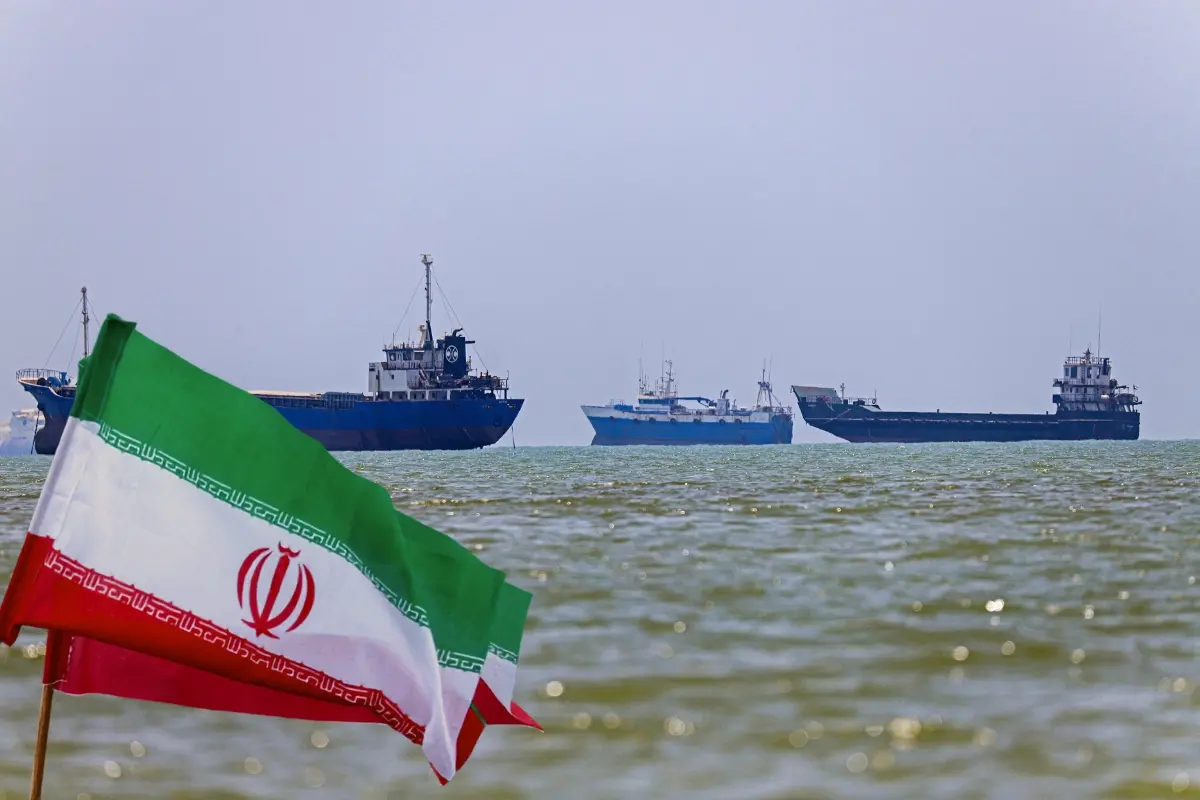
Tehran: The tensions between the United States and Iran have raised concerns over the security of one of the world’s most important energy routes, the Strait of Hormuz.
Iranian Parliament Speaker Mohammad Bagher Ghalibaf warned that the entire region’s oil exports could face risks if Tehran’s ability to export energy is restricted.
In a post on X, Ghalibaf said, “The equation of this war is clear: either all or none,” adding that if Iran’s security was not guaranteed, no regional infrastructure would remain safe.
He also warned that the security situation around the Strait of Hormuz would not return to normal conditions.
Trump threatens strikes on Iranian infrastructure
Iran’s warning came after US President Donald Trump threatened military action against Iranian infrastructure if Tehran attacks commercial ships passing through the Strait of Hormuz.
Trump said that any Iranian missile, rocket, drone or other attack on ships would lead to US strikes on Iranian bridges or power plants, including targets near Tehran.
The statement marked one of Washington’s strongest warnings amid the growing confrontation between the two countries.
Strait of Hormuz becomes centre of energy concerns
The Strait of Hormuz is a crucial route for global energy supplies, with a major share of the world’s seaborne oil trade passing through the waterway.
Any disruption in the region could affect oil prices, shipping routes and energy markets worldwide.
The conflict has already increased pressure on global oil supplies, with Brent crude prices rising above $95 per barrel before easing.
The US Central Command (CENTCOM) said recent military operations targeted Iranian military facilities, maritime capabilities, aircraft hangars, drone storage areas and logistics infrastructure.
Washington has accused Iran of attacking more than 30 commercial vessels travelling through the Strait of Hormuz over the past three months.
The US said the strikes were aimed at reducing Iran’s ability to threaten international shipping.
Oil markets remain under pressure
Concerns have also grown over other key shipping routes, including the Bab el-Mandeb Strait, where Iran-backed Houthi groups have previously threatened maritime traffic.
Countries have started exploring alternative shipping routes to reduce risks in the Gulf region. Saudi Arabia has redirected some crude shipments to the Red Sea port of Yanbu as a precaution.
If multiple waterways become unsafe, tankers may have to take longer routes through the Suez Canal, increasing transportation time and costs.
Conflict expands across the region
The US-Iran confrontation has widened since strikes began on February 28, with Iran responding through attacks on Israel and Gulf countries hosting US military bases.
The conflict has resulted in casualties, displacement and increased military activity across the region.
Officials have reported deaths among civilians and military personnel as fighting continues, raising fears of further escalation in the Middle East.