Pakistan or China: Inside the 10-hour scramble that stopped Iran-US war
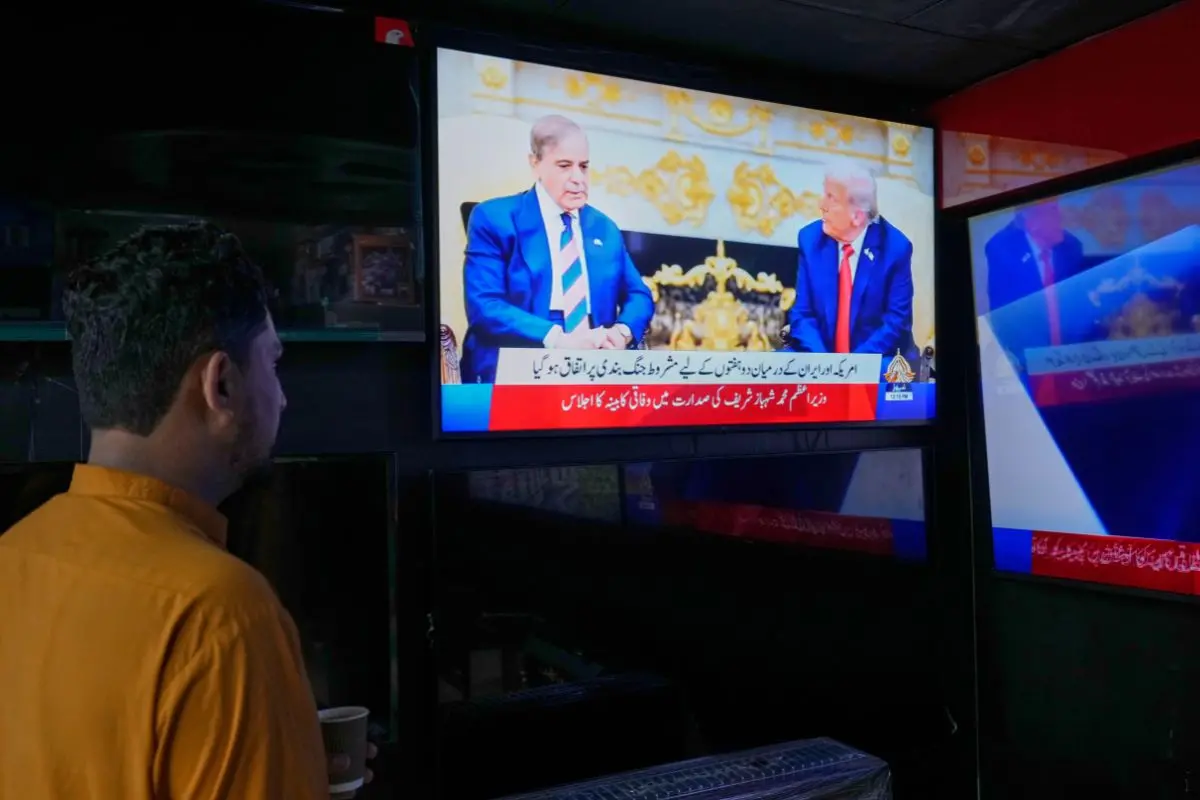
A dramatic 10-hour diplomatic scramble averted what US President Donald Trump had warned could be civilisational collapse, but the question now dominating global discourse is, who really brokered the Iran-US ceasefire: Pakistan or China?
On Tuesday, Trump issued an apocalyptic warning, saying “a whole civilisation will die tonight” if Iran did not agree to a ceasefire.
At the time, Tehran had cut diplomatic channels with Washington, and tensions over the Strait of Hormuz, a critical global oil artery, had pushed the region to the brink of a wider war.
Yet, within hours, the trajectory shifted. A ceasefire was announced, Iran agreed to reopen the Strait of Hormuz, and both sides signalled readiness for talks.
While the United States publicly credited Pakistan for facilitating the breakthrough, emerging details suggest China’s late but decisive intervention may have tipped the balance.
Pakistan’s visible diplomacy
Pakistan played a crucial, visible role in keeping communication channels alive between Washington and Tehran.
Prime Minister Shehbaz Sharif made a last-minute appeal to Trump, urging a two-week extension on military action while simultaneously requesting Iran to reopen the Strait of Hormuz as a goodwill gesture.
Soon after, Iran used Pakistan as a conduit to relay a 10-point peace proposal to the US.
Islamabad positioned itself as a mediator, with Foreign Minister Ishaq Dar announcing that Pakistan would host and facilitate talks between the two sides.
Negotiations are now expected to take place in Islamabad, marking a significant diplomatic moment for the country.
Trump himself acknowledged Pakistan’s role, praising Sharif and Army chief Asim Munir, even referring to the latter as his “favourite Field Marshal”.
Analysts say Pakistan’s access to both Washington and Tehran, combined with its willingness to act swiftly, made it an effective intermediary.
However, questions remain over the depth of Pakistan’s influence. A now-edited social media post by Sharif, initially labelled “Draft - Pakistan’s PM message on X”, sparked speculation that Islamabad’s messaging may have been externally shaped, possibly by Washington.
Further, Iran had earlier expressed reluctance to engage directly with Pakistan, signalling limits to Islamabad’s credibility as a neutral broker.
China’s quiet but decisive entry
While Pakistan handled the optics, China appears to have exercised leverage where it mattered most, in Tehran.
For much of the month-long conflict, Beijing remained in the background despite being one of Iran’s closest allies. However, as Trump’s deadline loomed and the threat of escalation intensified, China stepped in directly.
According to reports, Chinese officials engaged Iran at the highest levels, after earlier coordinating through intermediaries including Pakistan, Turkey, and Egypt.
Chinese Foreign Minister Wang Yi is said to have held over two dozen calls with regional stakeholders, while Beijing’s special envoy conducted shuttle diplomacy across the Middle East.
Significantly, just hours before the ceasefire announcement, China, along with Russia, blocked a United Nations Security Council resolution that would have authorised the use of force to reopen the Strait of Hormuz.
Beijing termed the proposal “biased” against Iran, signalling diplomatic backing for Tehran at a critical juncture.
Even Trump appeared to acknowledge China’s role, albeit cautiously. When asked whether Beijing had pressured Iran, he responded, “I hear yes.”
Experts argue that China’s influence over Iran, rooted in deep economic and energy ties, gave it the leverage Pakistan lacked.
Why China stepped in
China’s intervention was not purely altruistic. As the world’s largest crude oil importer, Beijing has significant stakes in Gulf stability.
The closure of the Strait of Hormuz had already disrupted global oil supplies, driving up prices.
While China managed short-term shocks through reserves and discounted Iranian oil shipments via shadow fleets, a prolonged or expanded conflict posed serious risks.
A full-scale war could have halted Iranian oil exports entirely and exposed Chinese shipments to interception, particularly if US forces took control of key maritime routes.
Additionally, global economic instability would directly impact China’s manufacturing-driven export economy.
Thus, analysts say China’s push for de-escalation was driven by strategic self-interest, ensuring energy security and preventing wider economic fallout.
Strategic credit game
Despite indications of China’s central role, the US chose to publicly credit Pakistan. Analysts believe this was a calculated decision.
Acknowledging Beijing as a co-equal broker in a conflict initiated and managed by Washington could be perceived domestically as a sign of weakness.
By highlighting Pakistan’s role instead, the US maintains the narrative of controlling the outcome while relying on a “trusted intermediary”.
“Crediting Pakistan keeps China’s role invisible to domestic audiences,” geopolitical experts have noted.
The final verdict
In reality, the ceasefire appears to be the result of a layered diplomatic effort.
Pakistan acted as the messenger and facilitator, keeping lines open and presenting proposals.
However, China, leveraging its influence over Iran and intervening at a critical moment, likely provided the decisive push that brought Tehran to the negotiating table.
As ceasefire talks move forward, the episode underscores a shifting geopolitical reality, where visible diplomacy and real influence do not always align.