Iran strikes Saudi energy hub: Massive fire in Al Jubail as Trump warns of escalation | VIDEO
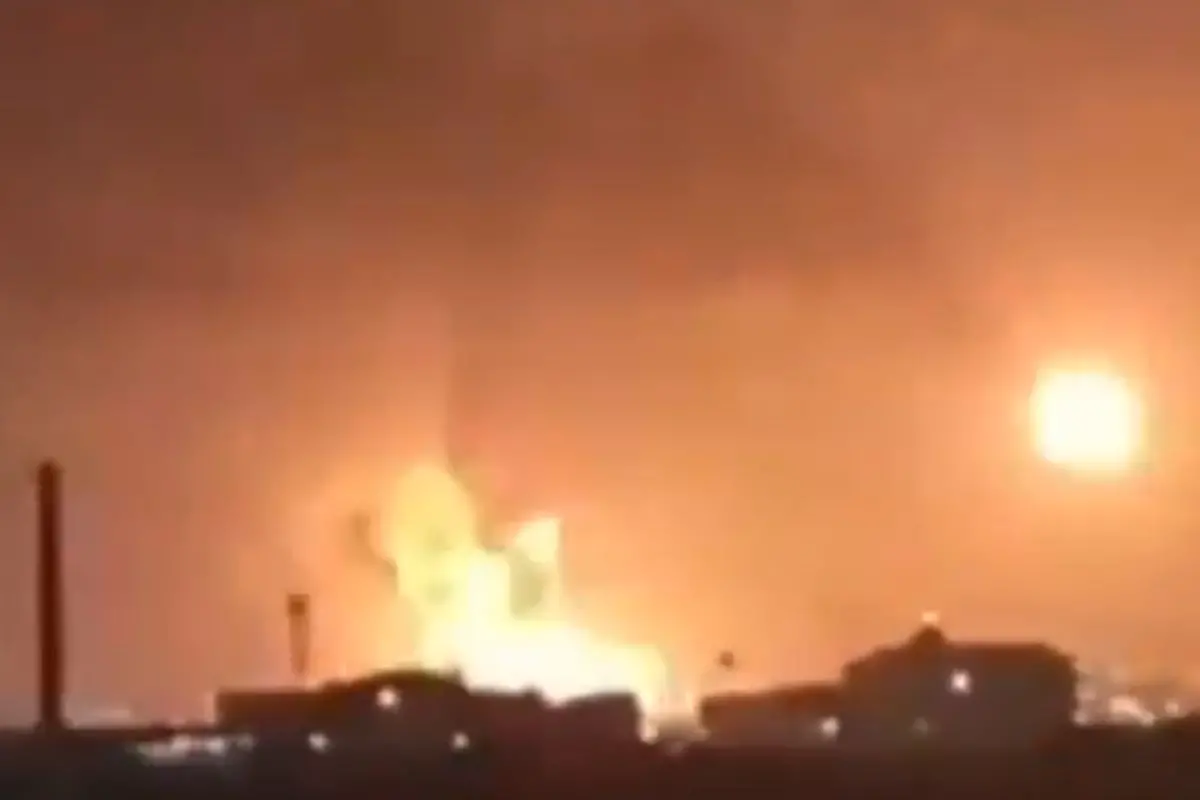
Jubail, Saudi Arabia: A major Iranian missile and drone strike targeting Saudi Arabia’s industrial heartland has raised fresh fears of a wider regional conflict and potential disruption to global energy supplies.
In the early hours of Tuesday, Iran launched multiple projectiles toward the eastern region of Saudi Arabia, triggering a massive blaze at the sprawling Al Jubail industrial hub, one of the world’s most critical centers for petrochemical production.
Videos circulating online captured a powerful explosion followed by a towering fire, highlighting the scale of the attack on a facility that underpins a significant portion of Saudi Arabia’s economy.
Al Jubail is not just another industrial zone, it is a cornerstone of Saudi Arabia’s economic engine. Spanning over 1,000 square kilometres, the hub houses more than 150 industrial facilities and contributes an estimated 7% to 12% of the country’s GDP. It also accounts for nearly half of Saudi Arabia’s total foreign direct investment, making any disruption here a matter of global concern.
According to Saudi officials, the country’s air defence systems intercepted several incoming threats. A Defence Ministry spokesperson confirmed there was “interception and destruction of 7 ballistic missiles launched toward the eastern region,” adding that debris fell “in the vicinity of energy facilities,” with damage assessments still underway.
The attack comes amid escalating tensions between Iran and the United States. Donald Trump has warned of sweeping retaliation if Iran does not ease its control over the strategically vital Strait of Hormuz.
Trump threatened to target key Iranian infrastructure, including bridges and power plants, if Tehran fails to comply with demands by April 7, 8:00 pm ET.
Tehran has strongly rejected the warning, condemning what it called Trump’s “arrogant rhetoric.” In a symbolic show of defiance, Iranian authorities have urged citizens, particularly youth, athletes, and artists, to form a “human chain” around power plants across the country.