Iran escalates war across Gulf, putting world’s oil lifeline at risk
Tehran: Explosions echoed across Beirut early Monday as Israel launched new strikes on the Lebanese capital while also targeting sites in Tehran, marking another escalation in the widening regional conflict.
The attacks came as Iran intensified retaliatory operations across the Middle East after the United States and Israel launched joint strikes on Iranian territory on February 28. Since then, Tehran has repeatedly targeted Israeli positions, American bases and Gulf energy infrastructure with missiles and drones.
Strait of Hormuz disruption raises energy fears
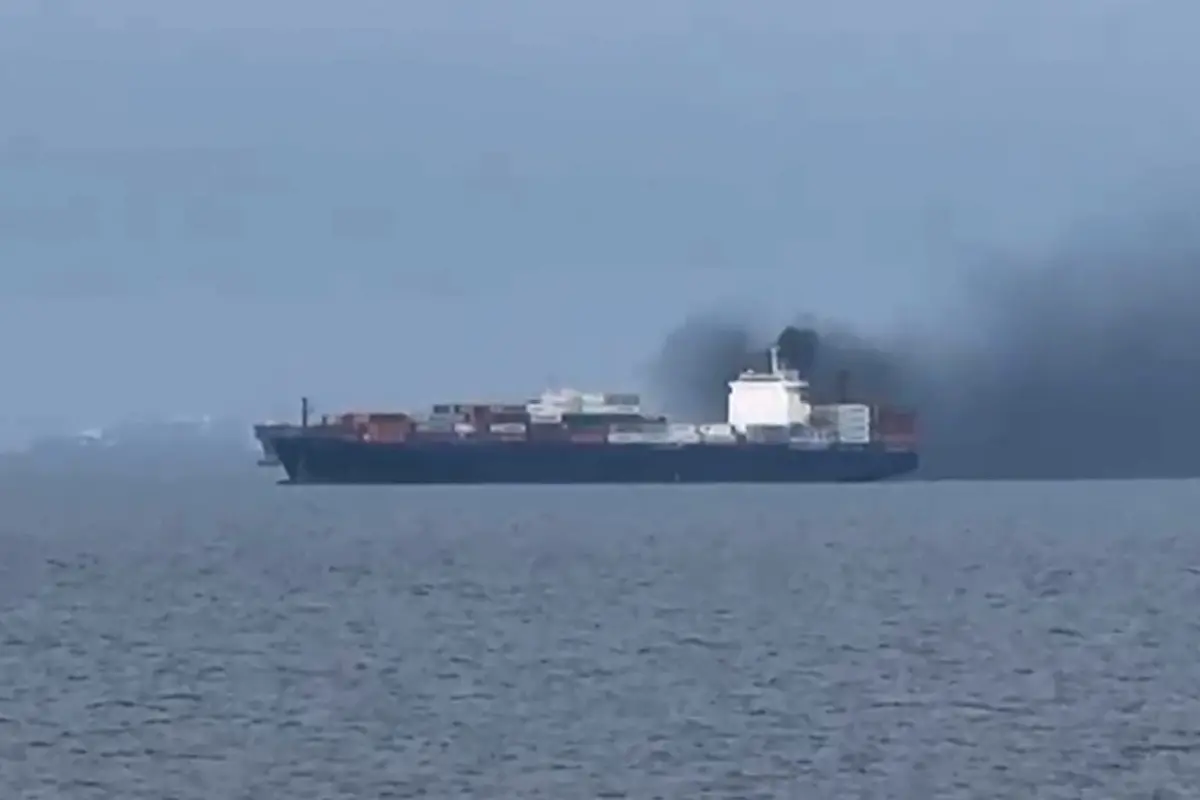
Iran has effectively halted shipping traffic through the Strait of Hormuz, one of the world’s most critical energy routes through which roughly 20 per cent of global oil supply normally passes. The disruption has triggered growing concerns about a potential global energy crisis.
Oil markets have reacted sharply to the escalating conflict. Brent crude oil, the international benchmark, remained above $100 a barrel on Monday, trading around $104 in early markets. Prices have surged nearly 45 per cent since the conflict intensified and briefly spiked close to $120 during the crisis.
The surge in oil prices is already affecting consumers worldwide, particularly in countries heavily dependent on imported fuel.
Drone strike disrupts Dubai airport
Regional tensions also spilled into the Dubai International Airport, the world’s busiest airport for international passenger traffic. A drone strike hit a fuel tank near the airport early Monday, sparking a large fire and forcing authorities to temporarily suspend flights.
Firefighters quickly contained the blaze and no injuries were reported. However, major airline Emirates confirmed that all flights from its main hub were suspended until further notice as a precaution.
The United Arab Emirates defence ministry later said its forces were intercepting additional Iranian drones and missiles targeting the region.
Gulf states intercept Iranian drones
Authorities in Saudi Arabia said air defence systems intercepted a wave of 35 Iranian drones targeting the kingdom’s eastern region, where many of its key oil installations are located.
Iran has launched hundreds of drones and missiles toward Gulf countries hosting US military assets since the war began. Most have reportedly been intercepted, though debris and some drones have fallen within national borders.
Iranian officials have accused the UAE of allowing its territory to be used for attacks against Iran, an allegation Emirati authorities strongly deny.
Trump calls for warships to guard oil route
Amid rising tensions, US President Donald Trump said he has asked around seven countries to deploy naval forces to help secure shipping routes through the Strait of Hormuz.
Speaking to reporters aboard Air Force One, Trump said other nations also rely heavily on the route and should help protect it.
“I’m demanding that these countries come in and protect their own territory,” Trump said, adding that the United States would remember which countries refused to help.
Trump has previously appealed to several nations, including China, France, Japan, South Korea and the United Kingdom, though none have publicly committed to sending warships.
Iran rejects talks as fighting widens
Iran’s foreign minister Abbas Araghchi dismissed reports that Tehran might be seeking negotiations to end the war, describing such claims as “delusional”.
“Our powerful armed forces will keep firing until the US realises that the illegal war imposed on both Americans and Iranians must never be repeated,” he said in a statement.
As the conflict enters its third week, analysts warn that the disruption to oil markets and global shipping could intensify if fighting spreads further across the Middle East.