Iran's 'divine gift' Strait of Hormuz could become Tehran's biggest weapon against the US
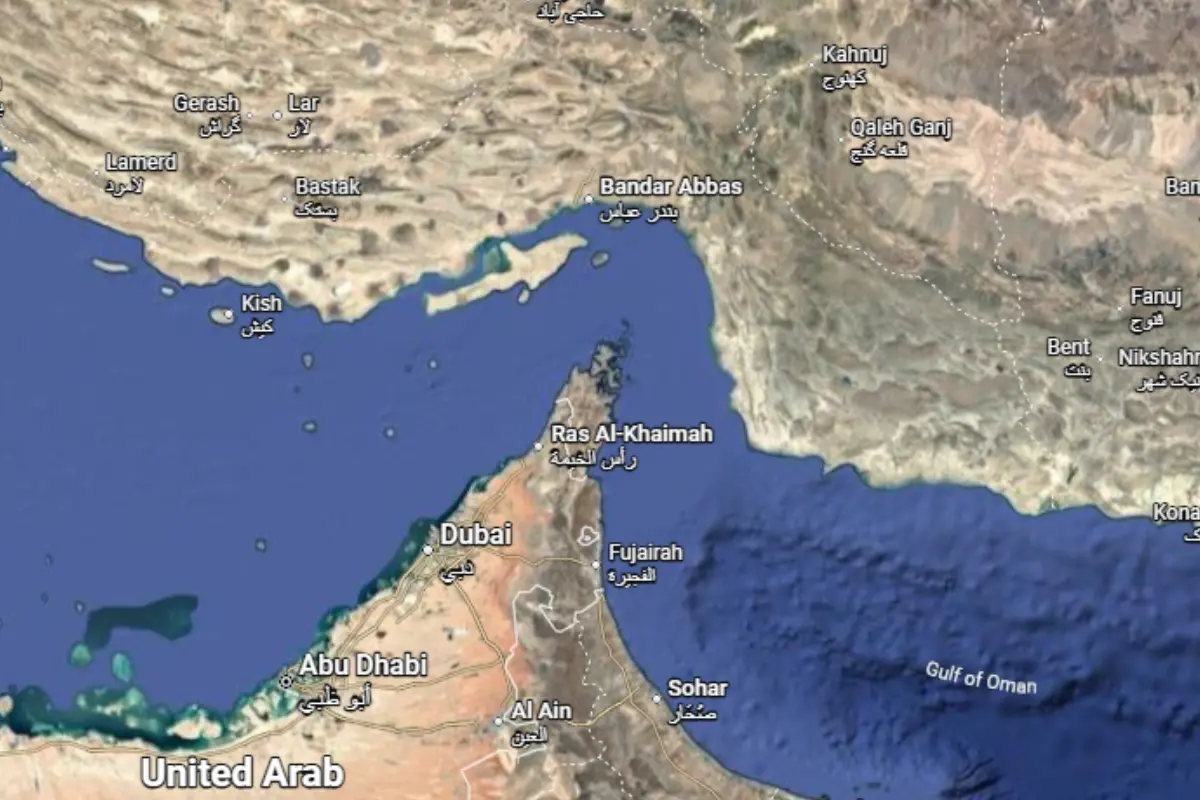
Tehran: Iran has asserted its sovereign right to regulate the Strait of Hormuz and potentially impose transit fees after the current agreement expires, as technical talks with the United States continue in Doha over shipping rights and a long-term ceasefire.
Iran calls Strait of Hormuz a 'divine gift'
Iranian Parliament Speaker Mohammad Bagher Ghalibaf has described the Strait of Hormuz as a "divine gift" and declared that Tehran has the sovereign authority to regulate one of the world's busiest oil shipping routes.
Speaking to Iranian state media, Ghalibaf said the strategic waterway is one of Iran's greatest sources of national power and insisted the country would not compromise on its sovereignty.
Transit fees could be introduced
Ghalibaf said the current US-Iran memorandum of understanding (MoU) provides for free transit through the Strait for only 60 days. After that period, Iran and regional partners, including Oman, are expected to discuss future management of the waterway.
He indicated that Iran could regulate shipping and impose transit fees in accordance with international law governing coastal states.
US-Iran talks continue in Doha
The remarks came as technical-level discussions between the United States and Iran continued in Doha, focusing on shipping rights, the implementation of the ceasefire framework and broader diplomatic issues.
The negotiations follow a 14-point interim agreement reached on June 17, with Qatar and Pakistan facilitating mediation between the two sides.
Different interpretations of the talks
Washington has described the Doha meetings as part of implementing the existing agreement, while Tehran maintains that no direct political negotiations with US officials are taking place.
Despite the differing public positions, both sides continue technical engagements aimed at preventing further escalation and reaching a longer-term settlement.
The Strait of Hormuz is one of the world's most strategically important maritime chokepoints, with a significant share of global oil and liquefied natural gas exports passing through it every day.
Any change to transit rules or the introduction of fees could have implications for global energy markets, shipping costs and international trade, making the ongoing negotiations closely watched worldwide.