Iran’s Hormuz gamble: Why Tehran is making the vital waterway a condition for wider US talks
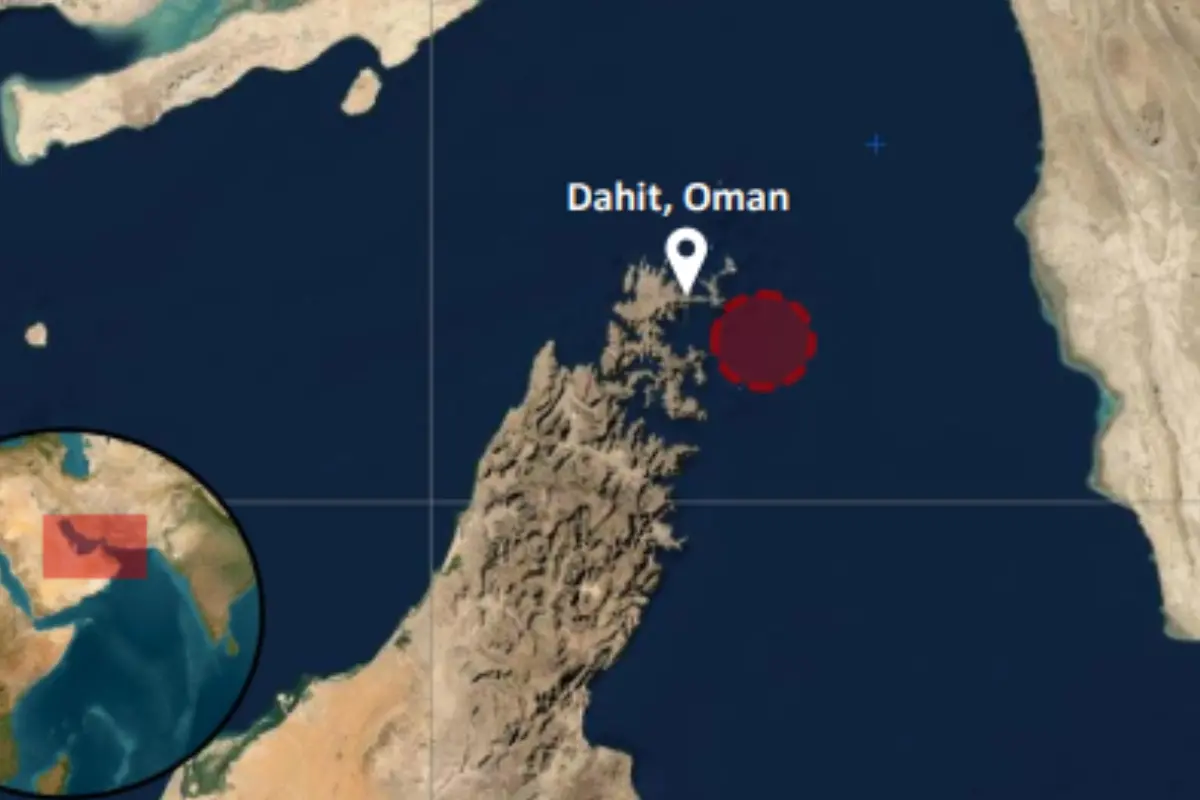
Tehran: Iran has said the Strait of Hormuz will remain closed until the United States fulfils seven conditions agreed under a June memorandum, while Tehran has ruled out nuclear negotiations for now and warned it is prepared to respond if Washington resumes military action.
Iranian Parliament Speaker and chief negotiator Mohammad Baqer Qalibaf said Tehran's position on the strategic waterway was firm.
He said the Strait of Hormuz would not reopen until the seven conditions agreed under the June Islamabad Memorandum of Understanding were fulfilled.
Iran had previously presented a proposal at the United Nations General Assembly under which maritime traffic through the waterway could return to normal within seven days if the conditions were met.
The United States responded to the proposal through Qatari intermediaries, with Qatar continuing to carry messages between Washington and Tehran.
Nuclear talks remain off the table
Iranian Foreign Ministry spokesperson Esmaeil Baghaei said Tehran had communicated its broad response to the US through mediators.
However, he said Iran's immediate priority was restoring security in the Strait of Hormuz rather than negotiating its nuclear programme.
Baghaei also rejected reports that Tehran had offered international inspections of its nuclear facilities in exchange for sanctions relief. He said Iran had not entered into nuclear discussions with Washington.
An official briefed on the negotiations said the main disagreement between the two sides concerned the sequence in which proposed measures would be implemented, rather than the measures themselves.
Iran warns against renewed military action
Foreign Minister Abbas Araqchi said Tehran hoped Washington would continue pursuing diplomacy but warned that Iran was prepared to respond if the US returned to military action.
The warning comes amid continuing uncertainty over the next phase of the conflict and US military deployments in the region.
Iranian army spokesperson Mohammad Akraminia also said Tehran planned to increase the range of its missiles, citing lessons from the recent conflict.
The Strait of Hormuz is one of the world's most important energy routes, connecting the Persian Gulf with the Gulf of Oman and the Arabian Sea.
Before the conflict that began at the end of February with US and Israeli attacks on Iran, roughly one-fifth of global oil and liquefied natural gas supplies passed through the waterway.
Any prolonged disruption therefore has implications beyond Iran and the Gulf, potentially affecting global energy markets, shipping costs and fuel prices.
June memorandum remains central to negotiations
The June memorandum helped support a brief ceasefire and included provisions concerning both the Strait of Hormuz and Iran's nuclear programme.
The latest diplomatic effort appears to centre on reviving or strengthening that framework.
Tehran is insisting that the agreed conditions be implemented before the waterway is reopened, while Washington and its intermediaries continue efforts to resolve the dispute.
The immediate focus is on whether mediators can bridge the remaining differences between Iran and the United States. A reopening of the Strait would ease pressure on international shipping and energy markets, but Iran's insistence on its seven conditions means the waterway remains closely tied to the wider diplomatic dispute.
At the same time, Tehran's warning over renewed military action and its stated intention to extend missile range underline the risks of negotiations breaking down.