Iran rejects second round of US talks as ceasefire nears expiry
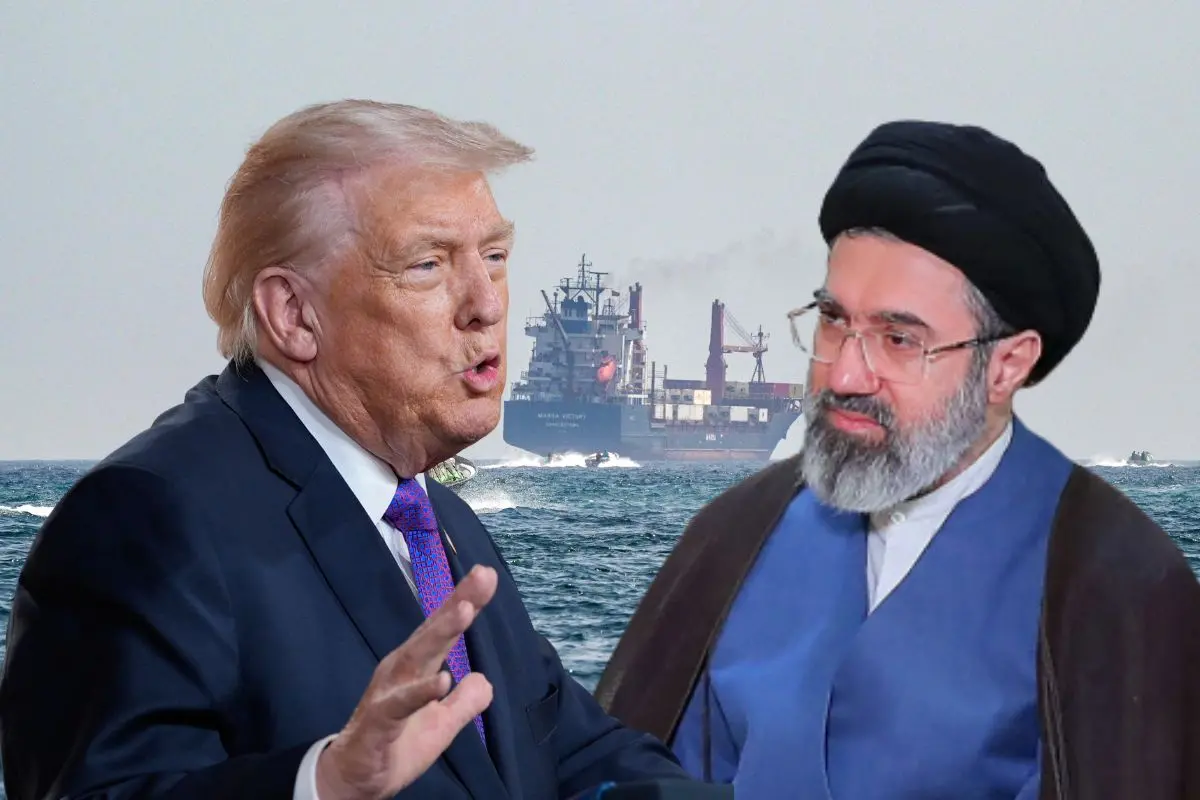
Diplomatic efforts between the Islamic Republic of Iran and the United States have suffered a major setback after Tehran officially rejected plans for a second round of peace talks, just days before the ceasefire expires on Wednesday.
According to the Islamic Republic News Agency, Iranian authorities turned down the proposed negotiations, citing what they described as “excessive demands” from Washington, shifting positions, repeated contradictions, and ongoing concerns linked to a naval blockade situation.
The decision effectively puts on hold efforts to stabilise already strained relations between the two countries, raising uncertainty over whether any diplomatic breakthrough is still possible in the short term.
The rejection comes shortly after comments from US President Donald Trump, who suggested that a new round of talks was scheduled. He stated, “My representatives are going to Islamabad, Pakistan, they will be there tomorrow evening for negotiations.”
A US delegation, reportedly led by Vice President JD Vance, was expected to travel to Pakistan for the discussions. However, Iran’s refusal has now cast doubt over whether the meeting will proceed at all.
Rising tensions and warning signals from Washington
In recent days, rhetoric from Washington has intensified. President Trump warned that the United States could target critical infrastructure, including power plants and bridges, if Iran does not agree to what he called a “reasonable deal.”
These remarks reflect a tougher US posture even as diplomatic backchannels remain technically open, highlighting how fragile the situation has become.
The current two-week ceasefire between the two nations is set to expire this Wednesday. While it has largely held, tensions have continued to rise.
Disputes over the Strait of Hormuz have added further strain, with Iran reversing earlier decisions to reopen the strategic waterway, accusing the US naval presence of violating the ceasefire terms.
Separately, Trump has accused Iran’s Revolutionary Guard of breaching the truce by allegedly firing on vessels passing through the region, including a French ship and a UK-flagged freighter.
Earlier attempts to stabilise the situation included direct US-Iran talks held in Islamabad on April 11–12, which ended without agreement.