US-Iran peace deal within 24 hours? Pakistan says final text ready, Tehran cautious
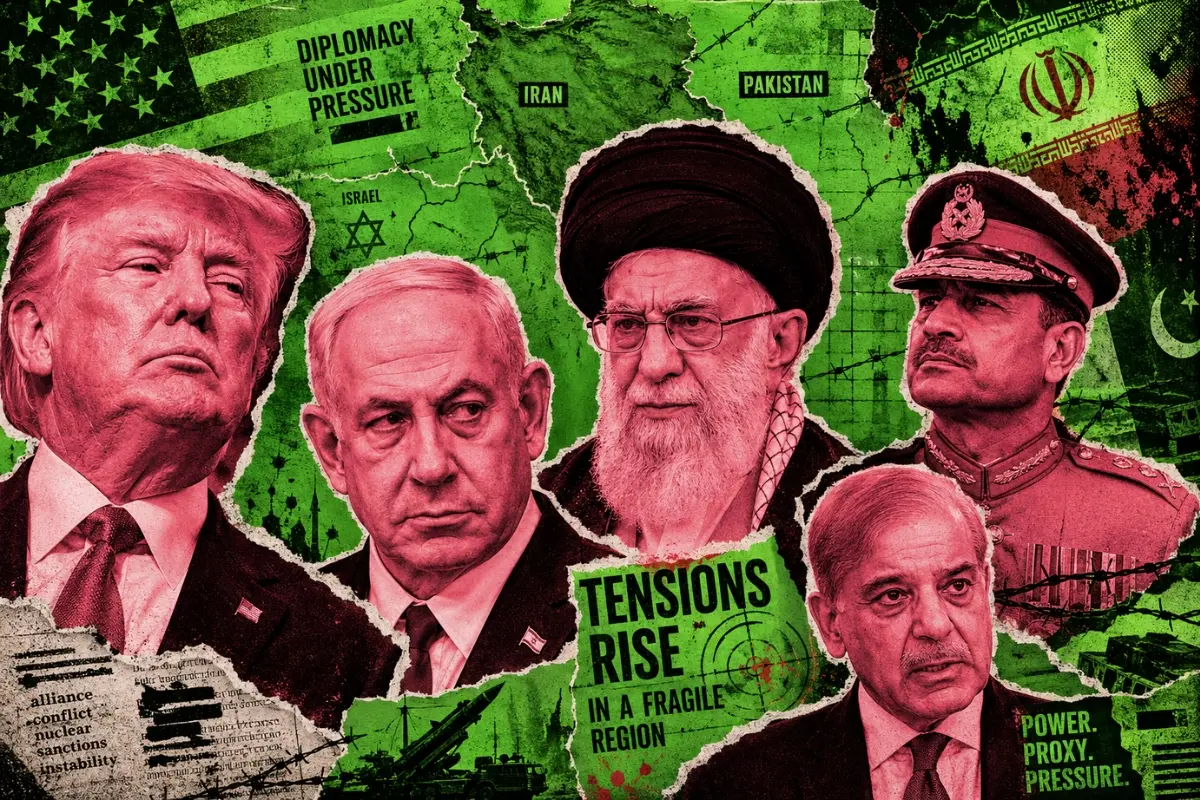
Washington DC: As negotiations between the United States and Iran gather momentum, fresh reports have raised questions about the future of Tehran’s highly enriched uranium stockpile.
According to a CNN report citing sources familiar with US intelligence assessments, Iran has allegedly collapsed tunnels and laid explosive traps around underground facilities believed to contain uranium enriched to near weapons-grade levels.
The stockpile, estimated at around half a tonne, is reportedly stored mainly at the Isfahan nuclear complex in central Iran. The measures are said to have made access significantly more difficult, potentially complicating any future effort to inspect, remove or destroy the material as part of a diplomatic settlement.
Why the uranium stockpile matters
Highly enriched uranium remains one of the most sensitive issues in the long-running dispute between Iran and Western powers. The United States and its allies argue that such material could potentially be used to develop nuclear weapons, while Iran maintains that its nuclear programme is for peaceful purposes.
Recent reports suggest that one of the central elements of a proposed US-Iran agreement would involve Tehran surrendering its stockpile of enriched uranium. Under the reported framework, the material would be destroyed and removed from Iranian territory as part of broader efforts to reduce tensions and prevent further escalation.
Reports of new fortifications
According to intelligence cited by CNN, Iran has recently intensified security measures around the sites where the uranium is believed to be stored. The report claims tunnels have been collapsed and entrances rigged with explosive devices, effectively sealing off access routes.
Sources quoted in the report suggested that public comments by US President Donald Trump about potentially targeting or seizing the uranium stockpile may have prompted Iranian authorities to further conceal and protect the material.
If accurate, these actions could make verification and recovery efforts significantly more challenging in the future.
What experts are saying
Former US nuclear security official Scott Roecker said to media that such measures would complicate any attempt to retrieve highly enriched uranium from the sites.
He also warned that if parts of the stockpile become inaccessible, it could create uncertainty over whether all nuclear material has been fully accounted for under any future agreement.
Verification has historically been one of the most contentious aspects of nuclear negotiations with Iran, with international inspectors seeking guarantees that all sensitive material is declared and monitored.
Is a US-Iran agreement close?
The reports emerged alongside claims from Pakistan that Washington and Tehran are close to finalising a framework agreement aimed at reducing tensions in the region.
Pakistani Prime Minister Shehbaz Sharif said preparations were under way for an electronic signing process, followed by technical discussions. However, Iranian officials later stated that no signing would take place on Sunday, indicating that negotiations may still be ongoing.
A senior US administration official reportedly suggested there was a strong possibility of an agreement being reached soon, while Iranian Foreign Minister Abbas Araghchi has also expressed optimism about progress in talks.
Background: Conflict and the Strait of Hormuz
The diplomatic push follows months of tensions linked to maritime security and regional conflict. One of Washington’s key objectives is reportedly the reopening and stabilisation of shipping through the Strait of Hormuz, a critical global energy corridor.
The United States is also seeking restrictions on Iran’s nuclear activities, while Tehran has reportedly pushed for access to frozen financial assets and greater guarantees regarding sanctions relief.
What happens next?
Even if a political agreement is reached, experts say the physical process of locating, verifying and removing Iran’s uranium stockpile could become one of the most complex parts of implementation.
Questions remain over the condition of the underground facilities, the accessibility of stored material and the ability of inspectors to verify compliance. As negotiations continue, the status of Iran’s uranium reserves is likely to remain at the centre of international attention.