Explainer | The ‘Snapback’ clause in the 2015 Iran nuclear deal
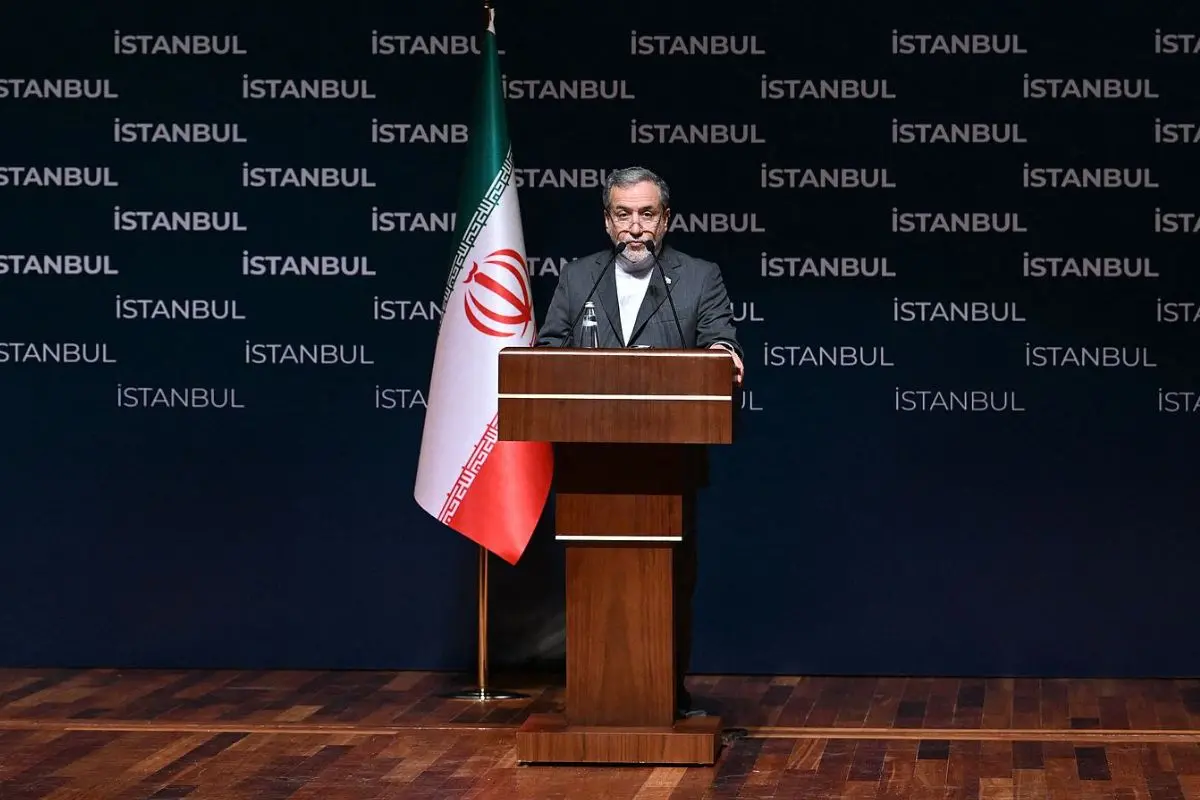
10 years after the United Nations lifted sweeping sanctions on Iran under a landmark nuclear deal, those measures are expected to return on Saturday evening.
The “snapback” of sanctions follows a decision by the European group known as the “E3”, Britain, France and Germany, which accused Tehran of failing to uphold its commitments.
Western nations and Israel have long alleged that Iran is working to develop nuclear weapons, an accusation the country has consistently denied.
How does the snapback system operate?
In 2015, Iran reached a major nuclear agreement with the United States, the E3, China and Russia. This deal, officially called the Joint Comprehensive Plan of Action (JCPOA), was endorsed by the UN Security Council under resolution 2231.
The accord removed international sanctions in exchange for strict limits on Iran’s nuclear activities. Resolution 2231, which is due to expire on 18 October, contains a special clause that allows any signatory to demand the automatic return of sanctions if another participant seriously breaches the agreement.
If a state believes one party has failed to meet the terms, it can notify the Security Council. That notification triggers a 30-day period, after which sanctions come back into force unless the Council agrees to keep them lifted.
Why have the Europeans acted now?
On 28 August, the E3 countries set the snapback in motion, criticising Iran for breaking several of its JCPOA commitments. Among the breaches was the accumulation of uranium stockpiles, which they said had reached more than 40 times the permitted limit.
The 2015 deal has been weakening for years. In 2018, the United States, under President Donald Trump, withdrew from the agreement and reimposed sanctions on Iran. Since then, Tehran has steadily reduced its compliance and expanded its nuclear programme.
The situation worsened after the 12-day war between Iran and Israel in June, during which the United States also bombed Iranian nuclear sites. That conflict halted ongoing nuclear talks between Tehran and Washington, which had restarted in April, and led Iran to suspend cooperation with the International Atomic Energy Agency (IAEA).
Earlier this month, Iran reached a new agreement with the IAEA. On Friday, Tehran confirmed that inspectors from the Vienna-based organisation had resumed their activities inside the country.
What is Iran’s position?
European nations argue they “have unambiguous legal grounds” to trigger the snapback. Iran strongly disputes this.
Foreign Minister Abbas Araghchi said on Friday that the move was “legally void, (and) politically reckless,” pointing out that Iran had presented several proposals to ease the crisis.
President Masoud Pezeshkian also stated on Friday that Tehran would not withdraw from the Nuclear Non-Proliferation Treaty, even if sanctions were brought back.
What effect would sanctions have?
The return of sanctions would mean global restrictions on ballistic missile technology, arms, nuclear equipment, and banking, all of which were lifted a decade ago, would come into force again.
Ali Vaez, project director for Iran at the International Crisis Group, said that snapback “will add to the burden of Iran’s economy, which already is in a difficult position”.
But he added that “their impact will depend on how much of the sweeping measures they provide on paper is reflected in enforcement”, noting that China and Russia might “try to stymie their execution”.
Kelsey Davenport, an expert at the Arms Control Association, said that “the UN measures will have little economic impact, given the breadth of US and EU sanctions already in place against Iran”.
She also warned that bringing back sanctions “without a negotiating process in place risks Iran and the United States getting caught in an escalatory tit-for-tat”.