Iran moves to tighten grip on Strait of Hormuz as tensions flare again
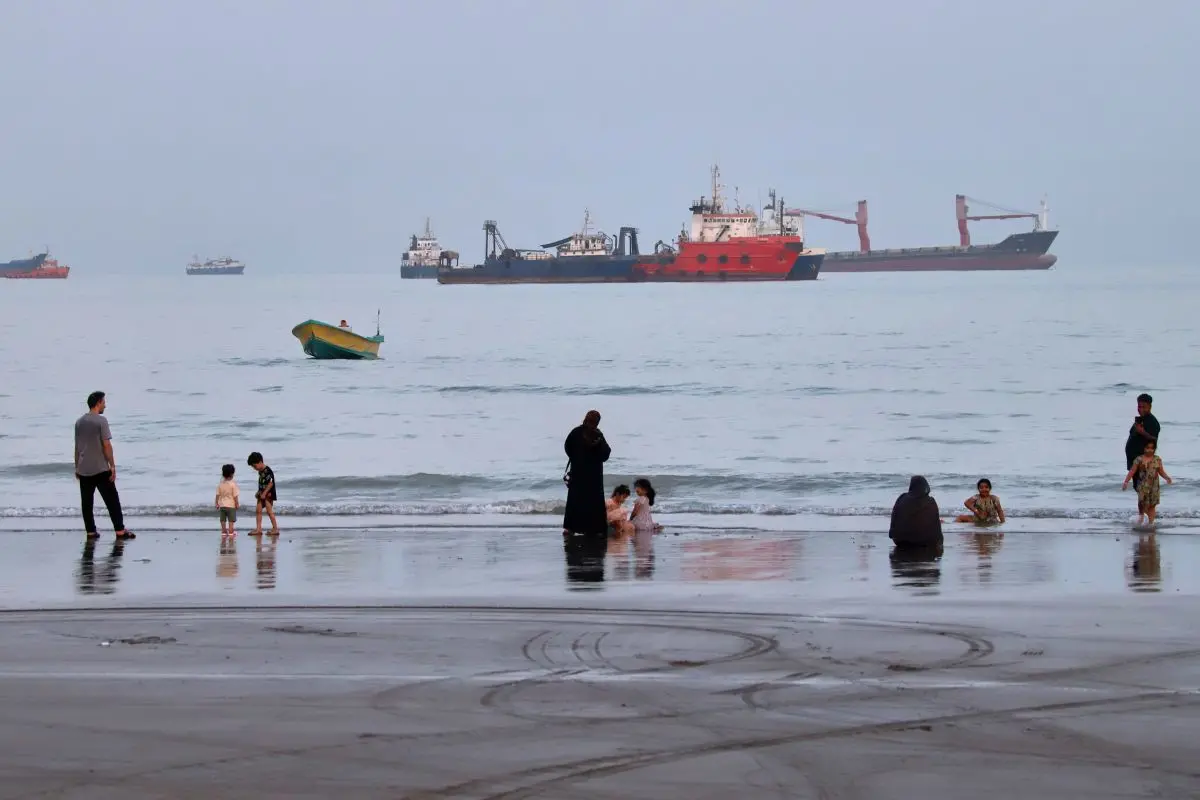
The Strait of Hormuz is once again edging towards a dangerous crossroads. Fresh explosions around Iran's Qeshm Island, a proposed Iranian law targeting US and Israeli-linked vessels and a still-unfinished deal with Oman have put the crucial waterway back under intense scrutiny.
Iranian state-affiliated media reported explosions around Qeshm on Friday, saying the country's forces had confronted what they described as hostile targets.
The reports came as Tehran and Oman continued efforts to finalise a temporary arrangement aimed at facilitating commercial shipping through the strait.
At the same time, Iran's parliament is examining a draft bill that would prohibit US, Israeli and other vessels deemed hostile by Tehran from using the Strait of Hormuz.
The proposal also envisages financial penalties for violations, with reports putting the maximum fine at 20% of a vessel's cargo value. The draft is still being reviewed and has not become law.
The parliamentary move comes at a particularly sensitive moment. Tehran and Muscat have been negotiating a mechanism for commercial vessels to navigate the waterway, with Iranian officials saying significant progress has been made.
A proposed arrangement would give Iran authority over ships entering the Gulf through the strait, according to Iranian and regional sources cited by Reuters.
However, important questions remain unresolved, including the precise scope of Iranian control and arrangements for outbound traffic.
The United States has opposed any arrangement that would effectively hand Iran control over access to the strategically vital waterway.
The issue of fees is another sticking point, with Iranian sources seeking charges for some commercial traffic while Washington has pushed for the strait to remain open without such payments.
The stakes are enormous because Hormuz is one of the world's most important energy corridors.
Yet shipping activity through the waterway has already fallen sharply. Reuters reported that just 33 vessels crossed the strait from Monday through Thursday, down from 50 during the corresponding period last week.
Before Iran shut the waterway following the outbreak of the US-Israeli conflict on February 28, weekly traffic stood at roughly 130 to 140 vessels.
The uncertainty has also complicated the diplomatic push. Iranian Parliament Speaker Mohammad Bagher Ghalibaf, who has been involved in negotiations with Washington, has repeatedly pointed to Tehran's deep mistrust of the United States.
The dispute reflects a broader problem facing the talks: even as both sides discuss reopening the waterway, neither has fully overcome the political and security disagreements that brought the conflict to this point.
Meanwhile, Iran's Intelligence Ministry has announced the arrest of 21 people in Kerman province whom it accuses of having links to Israel's Mossad. According to Iranian authorities, the detainees were allegedly involved in gathering and transmitting sensitive military and air-defence information. These are Iranian government allegations and have not been independently established.
For now, the proposed Iran-Oman arrangement remains a work in progress rather than a settled solution.
The negotiations are aimed at getting commercial shipping moving again, but the question of who controls access to Hormuz remains at the heart of the dispute.
That makes the latest developments particularly significant. Iran is simultaneously negotiating a mechanism to facilitate shipping while its parliament considers legislation that could restrict access for countries Tehran considers hostile.
With vessel traffic already severely depressed and US-Iran mistrust still running deep, the Strait of Hormuz remains one of the most fragile pressure points in the wider conflict.