Day 13 of Middle East war: 3 vessels targeted near Strait of Hormuz
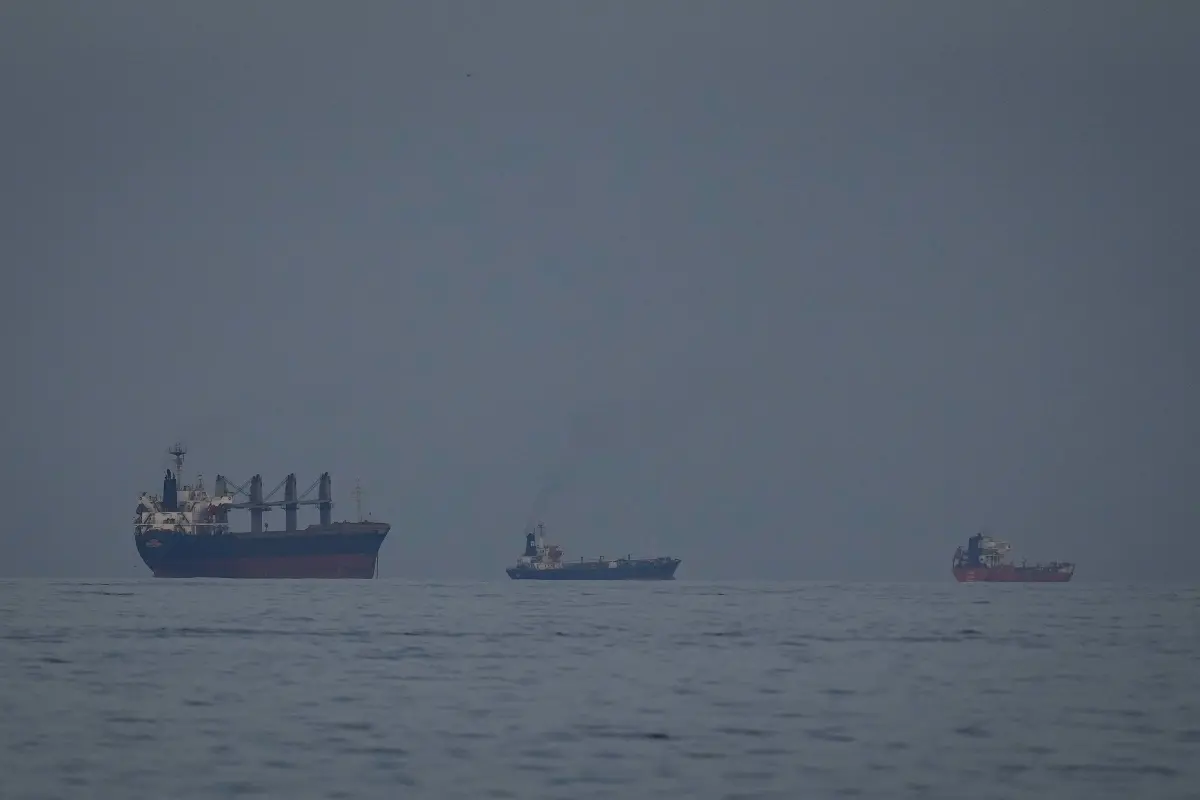
Iran declared it had launched its most extensive military operation since the start of the conflict, firing dozens of missiles at targets across the Gulf region even as Israel announced an "additional wave" of strikes on Tehran. Three vessels were struck by projectiles near the Strait of Hormuz, the United Kingdom's maritime trade agency reported, further threatening the narrow waterway through which a fifth of the world's oil supply passes.
The escalation marks day 13 of the war that began on February 28, when the United States and Israel launched nearly 900 strikes in 12 hours under what Washington dubbed Operation Epic Fury, killing Supreme Leader Ali Khamenei and dozens of other Iranian officials.
Iran has since retaliated with hundreds of missiles and thousands of drones aimed at US bases, Israeli territory, and Gulf Arab states.
Widening conflict
A senior Iranian Revolutionary Guard Corps commander said Iran is now firing only missiles with payloads of 1,000 kilograms or more. Despite US claims that Iran's ballistic missile launch rate has fallen 90 percent from the opening day, the attacks have continued to cause damage across the region.
Israel expanded its offensive beyond Iran, striking Beirut and southern Lebanon in a new campaign against Hezbollah-linked targets. Five people were killed in Lebanon's Nabatieh district and a Red Cross worker died from injuries sustained in an earlier Israeli attack, according to Lebanon's Health Ministry.
Iran's UN ambassador said more than 1,300 Iranians have been killed since the conflict began, while at least 570 fatalities have been reported in Lebanon.
Global economic fallout hits India hard
The effective closure of the Strait of Hormuz has sent shockwaves through global energy markets and hit India -- the world's third-largest oil consumer -- with particular force.
Roughly 50 percent of India's crude imports transit the strait, according to data analytics firm Kpler. Oil prices have surged from around $70 to over $110 per barrel since the war began, and the Indian rupee has fallen to record lows.
Reuters reported that the war is reverberating across India "from farmlands to diamond vaults," as natural gas supply cuts have forced Indian firms to curtail deliveries to industries including fertilizers and power.
Goldman Sachs warned that Indian companies may be among the most impacted in Asia due to the country's high dependence on imported energy. The Narendra Modi government acknowledged that any major Gulf disruption carries "serious consequences" for its economy, where nearly 10 million Indian nationals live and work.
Iran has set three conditions for peace — recognition of its rights, war reparations, and guarantees against future aggression. President Trump has vowed to end the war "when he wants to" but offered no timeline.
As countries agreed to release a record 400 million barrels of oil to stem price increases, the dual disruption of the Strait of Hormuz and Houthi attacks on the Suez corridor has left roughly one-third of global seaborne crude trade compromised.