Iran’s internet blackout crosses 156 hour mark as AI fakes and propaganda fill the void
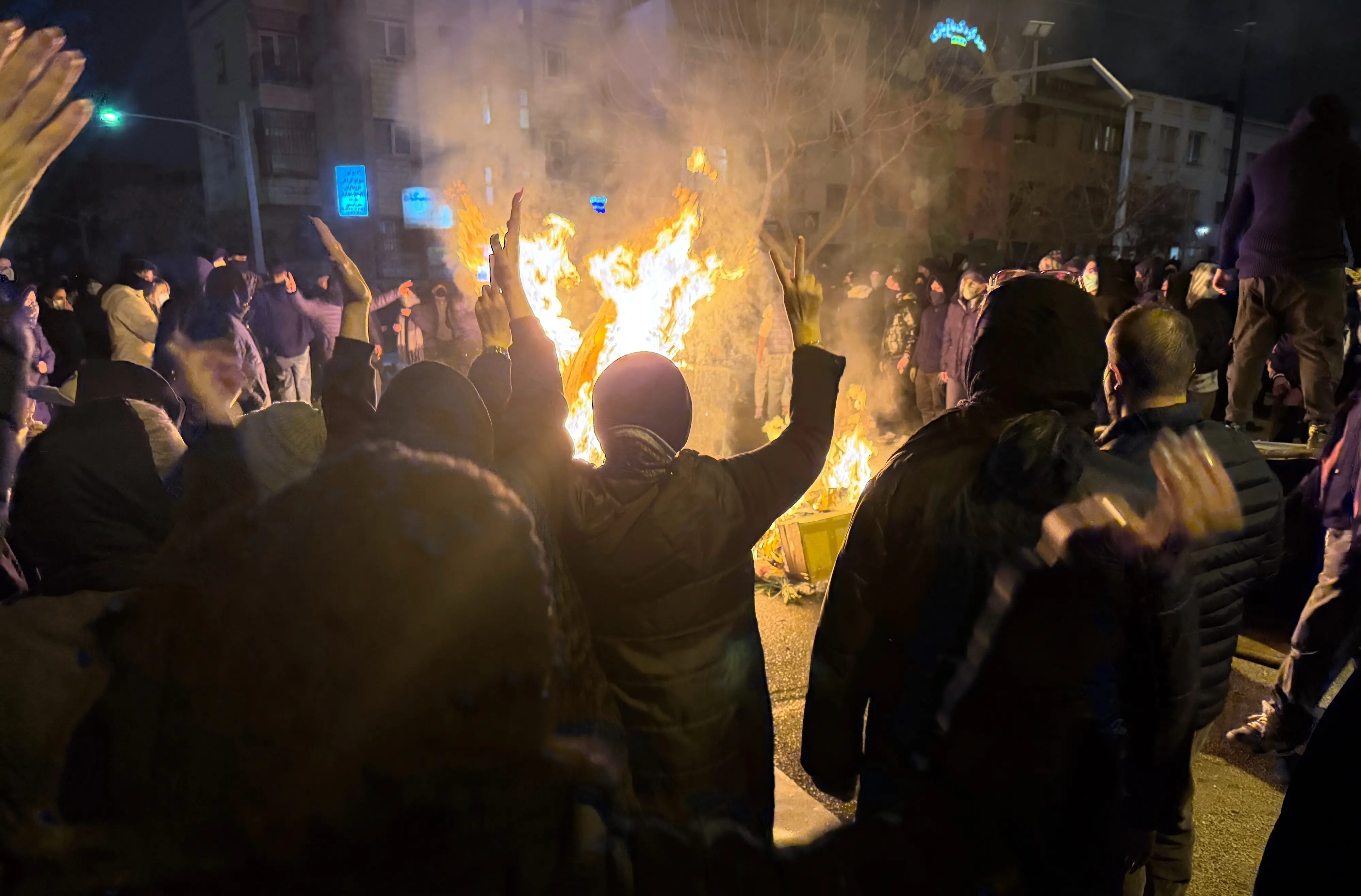
Iran’s government-enforced internet shutdown has stretched into a seventh day, pushing the disruption past 156 hours and placing it among the longest documented outages, according to the monitoring group NetBlocks. The blackout has severely curtailed communications nationwide, cutting not only internet access but also mobile phone services and text messaging as authorities attempt to stem the spread of widespread anti-government demonstrations.
NetBlocks warned that the prolonged outage has created a dangerous information vacuum, writing on X: “Iran's internet blackout has passed the 156 hour mark as the silence deepens after a brutal crackdown. Meanwhile, the online information vacuum is resulting in the amplification of pro-regime accounts, AI fakes, and other agendas.”
The shutdown has left more than 90 million people digitally isolated as unrest continues to grip the country. Activists say thousands have been killed in the government’s ongoing campaign to crush dissent.
AI-generated videos flood social media
With Iranians largely cut off from online platforms, AI-generated videos purporting to show scenes from the protests have proliferated, both from pro- and anti-government sources. US disinformation watchdog NewsGuard says it has identified at least seven AI-created clips that collectively amassed more than 3.5 million views.
Among the fabricated videos was a widely shared clip on X showing women smashing what appears to be a Basij paramilitary vehicle. One post featuring the footage drew nearly 720,000 views. Anti-regime accounts on TikTok and X also circulated AI videos showing protesters symbolically renaming local streets in Iran after former US President Donald Trump.
At the same time, pro-government users posted AI-generated images portraying mass pro-regime counter-demonstrations across the country.
According to an Atlantic report, researchers warn that the rise of AI fabrications during breaking-news moments is becoming increasingly common, often enabling bad actors to seed doubt about genuine reports — a phenomenon known as the “liar’s dividend.”
Also read: Explosive claim: Journalist says ICE ‘hired’ her with no vetting even after positive drug test
Government crackdown intensifies
Connectivity across Iran began collapsing on the evening of 8 January, according to NetBlocks, and by the next morning mobile networks had also been heavily restricted. Rights groups report that at least 45 demonstrators, including children, have been killed since protests erupted on 28 December, with more than 2,200 arrests.
The latest wave of unrest followed mass calls for coordinated demonstrations from exiled crown prince Reza Pahlavi, triggering large crowds in Tehran and other cities. Witnesses described roads being blocked, fires lit, and chants against the government. Security forces reportedly fired live rounds and tear gas, and there are accounts of hospitals being raided to detain injured protesters.
Authorities have also imposed airspace restrictions, with flights suspended at several airports, including in Tabriz.
Despite the blackout, new videos verified by AFP show bodies lined up at the Kahrizak morgue south of Tehran, wrapped in black bags as families searched for missing relatives.
Starlink rumours and technical barriers
Speculation has circulated online that Elon Musk’s Starlink satellite service has been activated over Iran, offering a possible lifeline for communication. Musk made similar announcements during previous protest waves in 2022 and again during a nationwide outage last June. However, experts note that Starlink consoles are illegal in Iran and remain extremely rare inside the country.
NetBlocks says that during extended shutdowns elsewhere, people have often resorted to radio transmissions or attempts to connect to mobile towers near international borders.
(With inputs from agencies)